

Do you remember more of the story?
A name, a small memory, or a correction can help us get to know our family better. Send it privately to Isaac, and choose whether it may be shared.
Share a memory or correctionThe Harjo family · His life & work
January 6, 1902 – October 5, 1990
A sailor, whaler and machinist whose life led from northern Norway and the South Atlantic to a family home in Seattle.
1902 · Tana, Norway
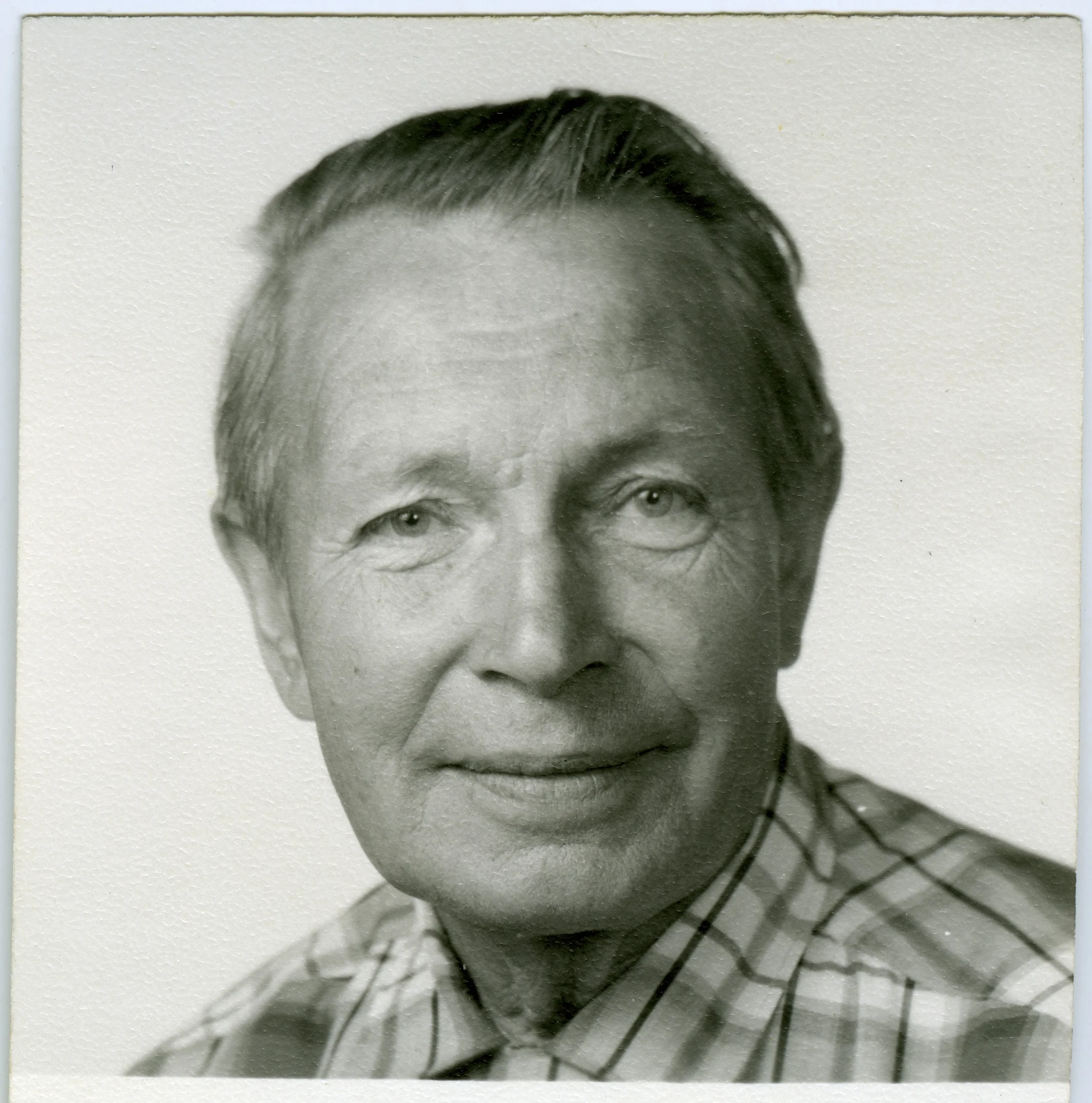
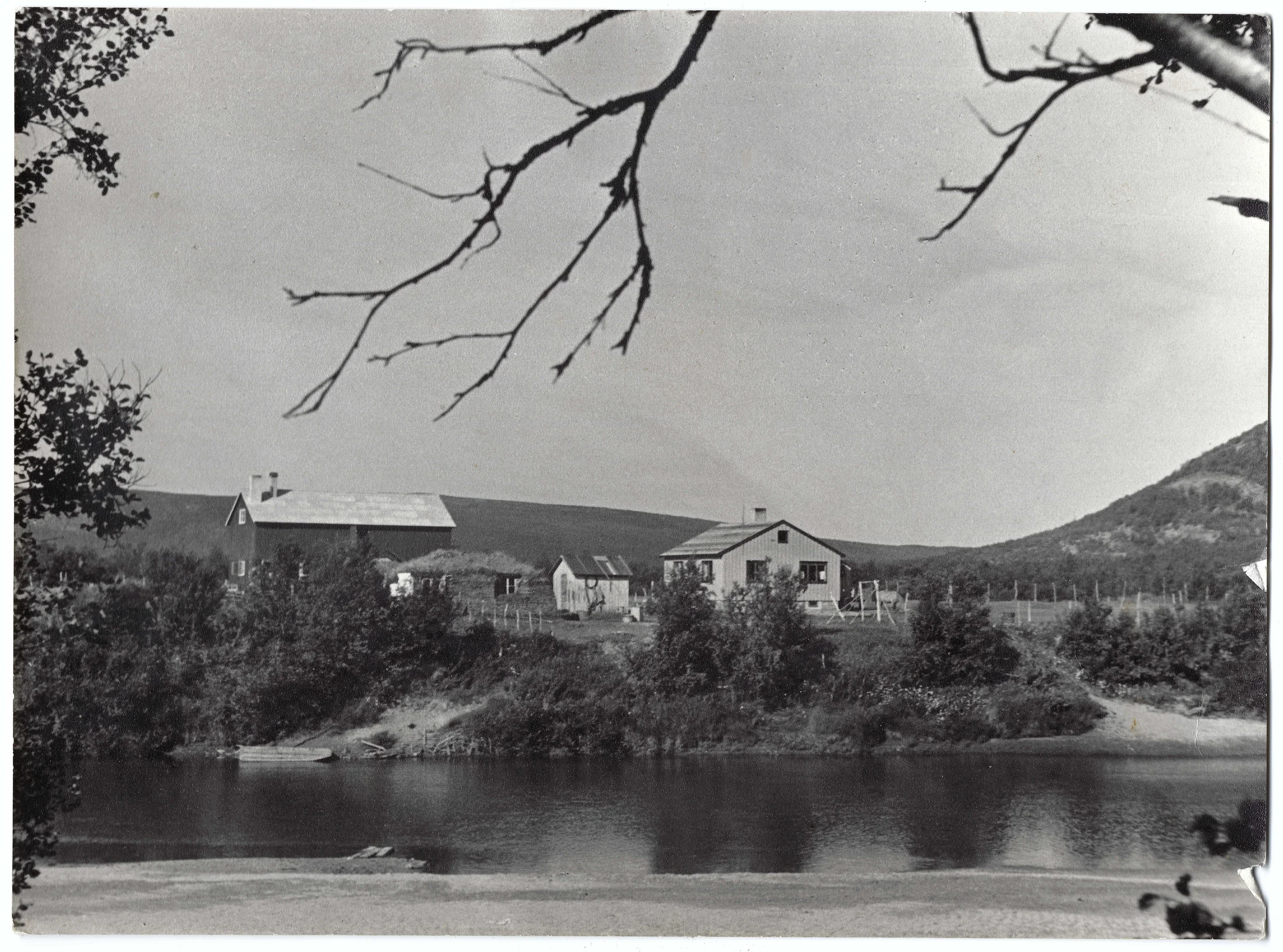
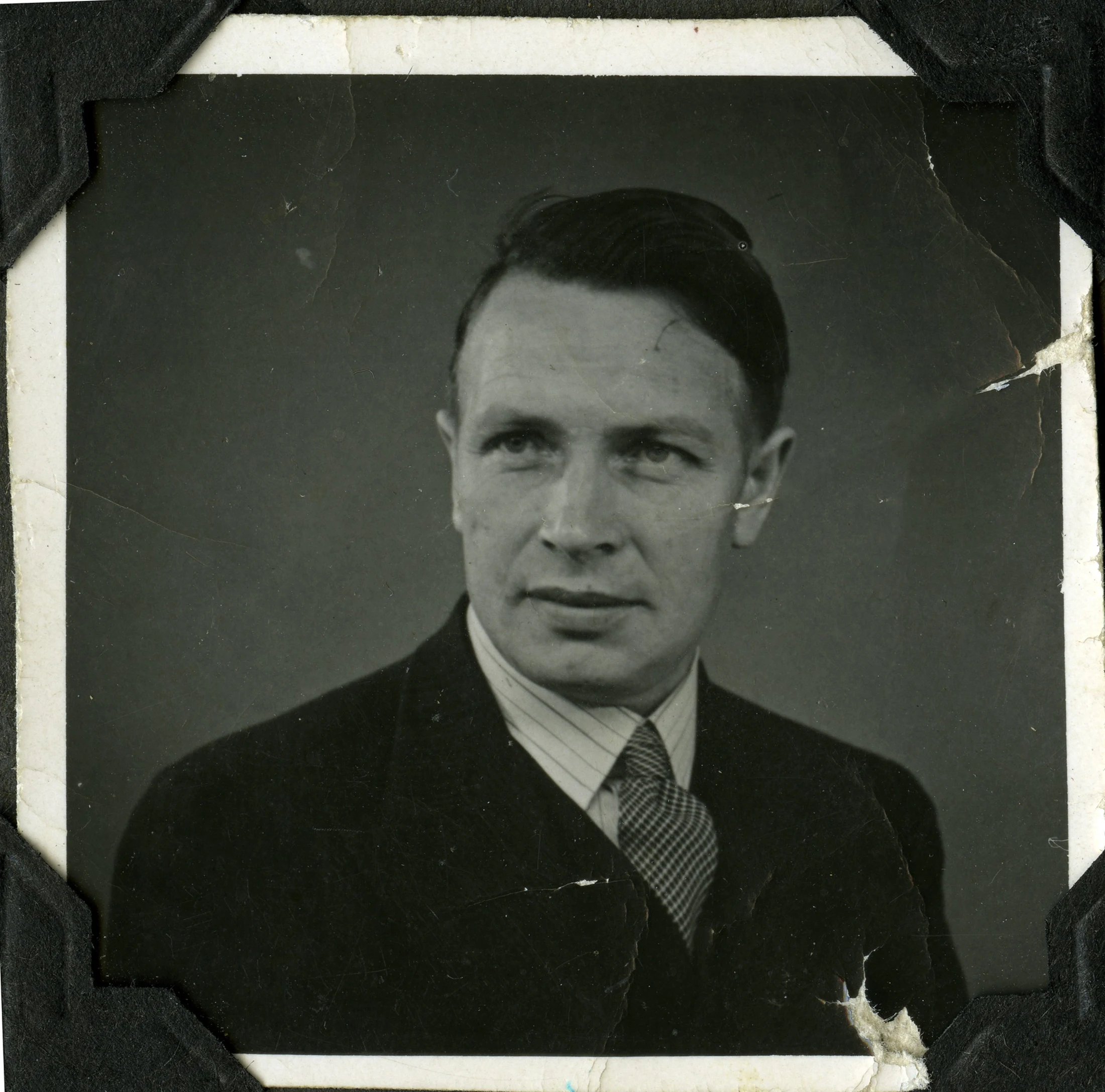
Hans Kristian Harjo was born on 6 January 1902 in the Masjok area of Tana, northern Norway, to Ludvig Harjo and Anna Kathrine, née Børresen. The parish record preserves his home baptism on 20 January and its confirmation in church on 30 June. [1]
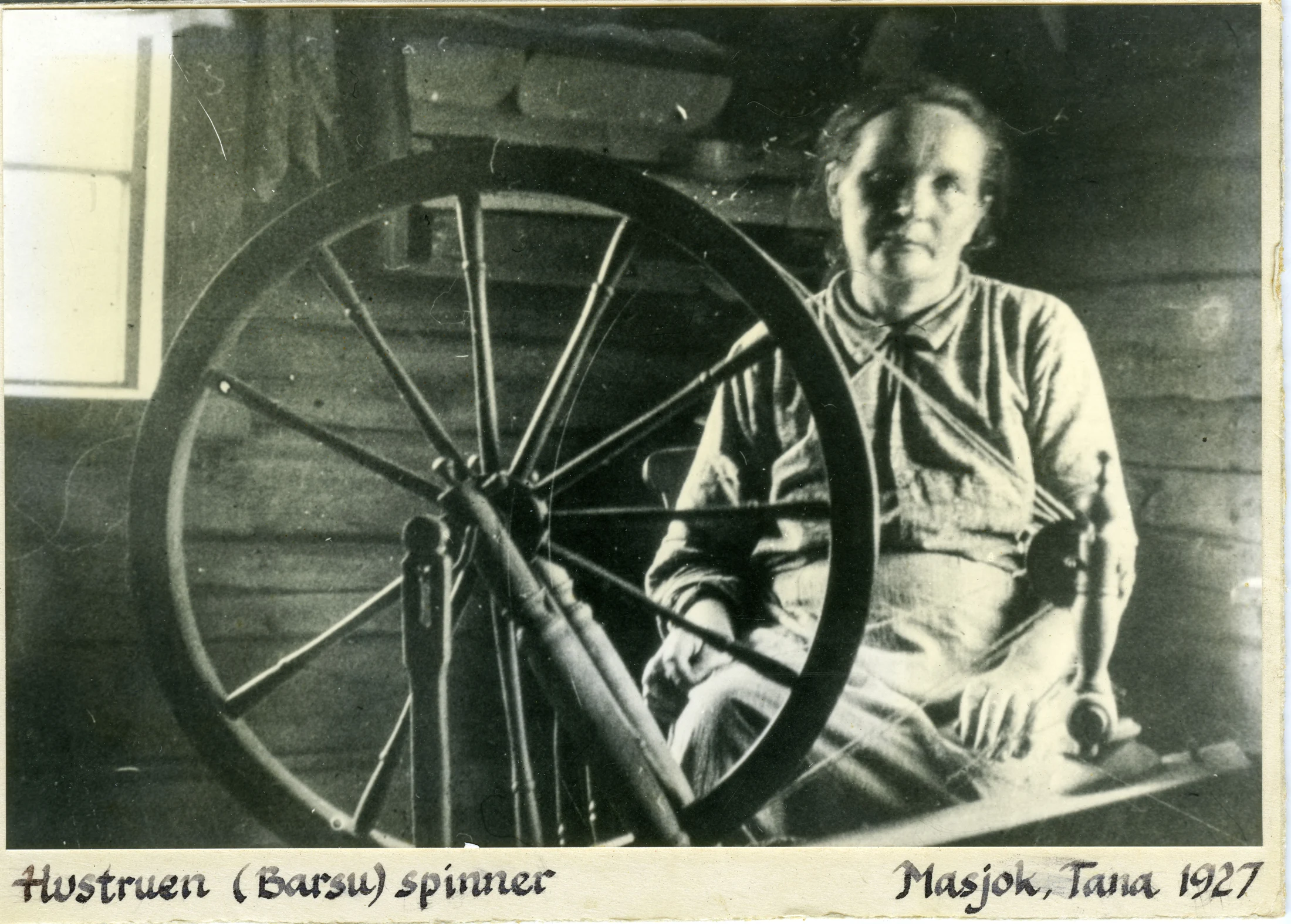
His father died in 1908. His mother later married Petter Barski, and the 1910 census places eight-year-old Hans in their household at Larsnes, Tana. [2]
A story passed down by his half-sister Anna’s son, Einar Henninen, remembers Hans taking two-year-old Anna out on a sled in March 1913. Near Masjoknes, the children reportedly encountered five wolves before a neighbor brought them to safety. Read the family story of Hans and Anna →
A relocation certificate issued in 1932 adds a glimpse of his youth: it records residence in Gamvik since 1917 and departure in April 1922 for Sandefjord. A later endorsement on the same sheet records arrival in June 1932. The two dates are preserved as written; the intervening years remain uncertain. Read the certificate and English translation.
1924–1945 · A working life afloat
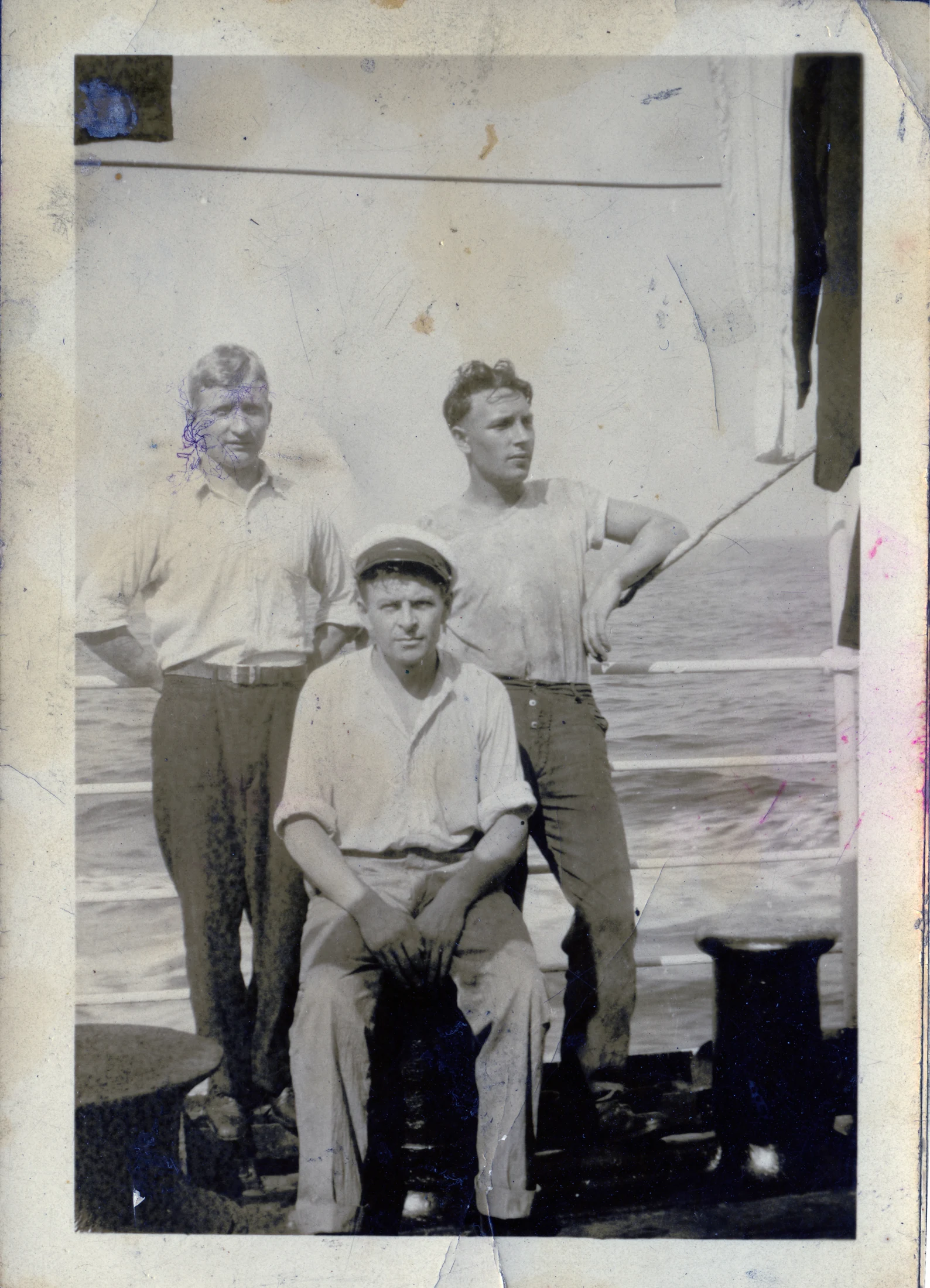
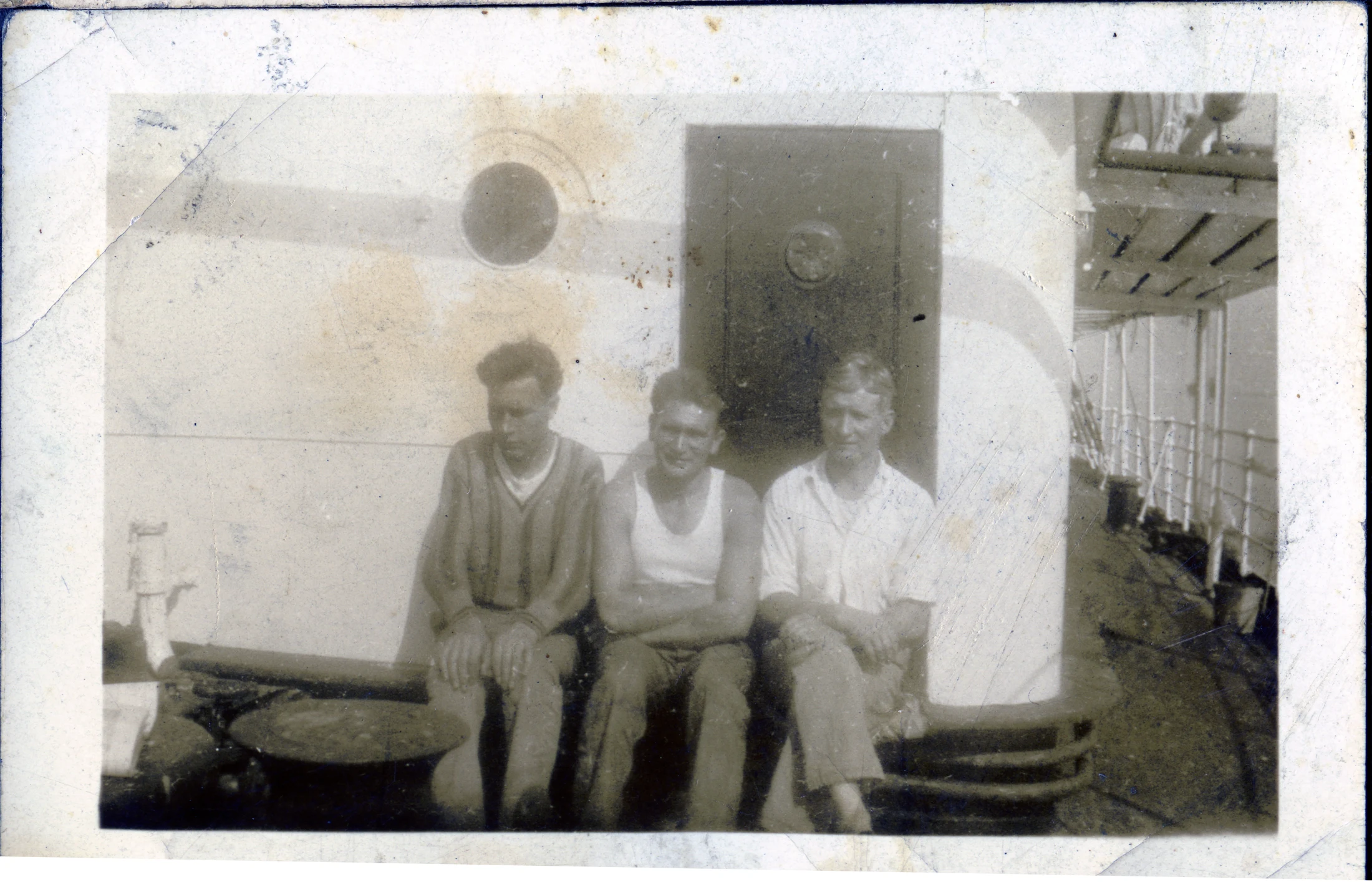
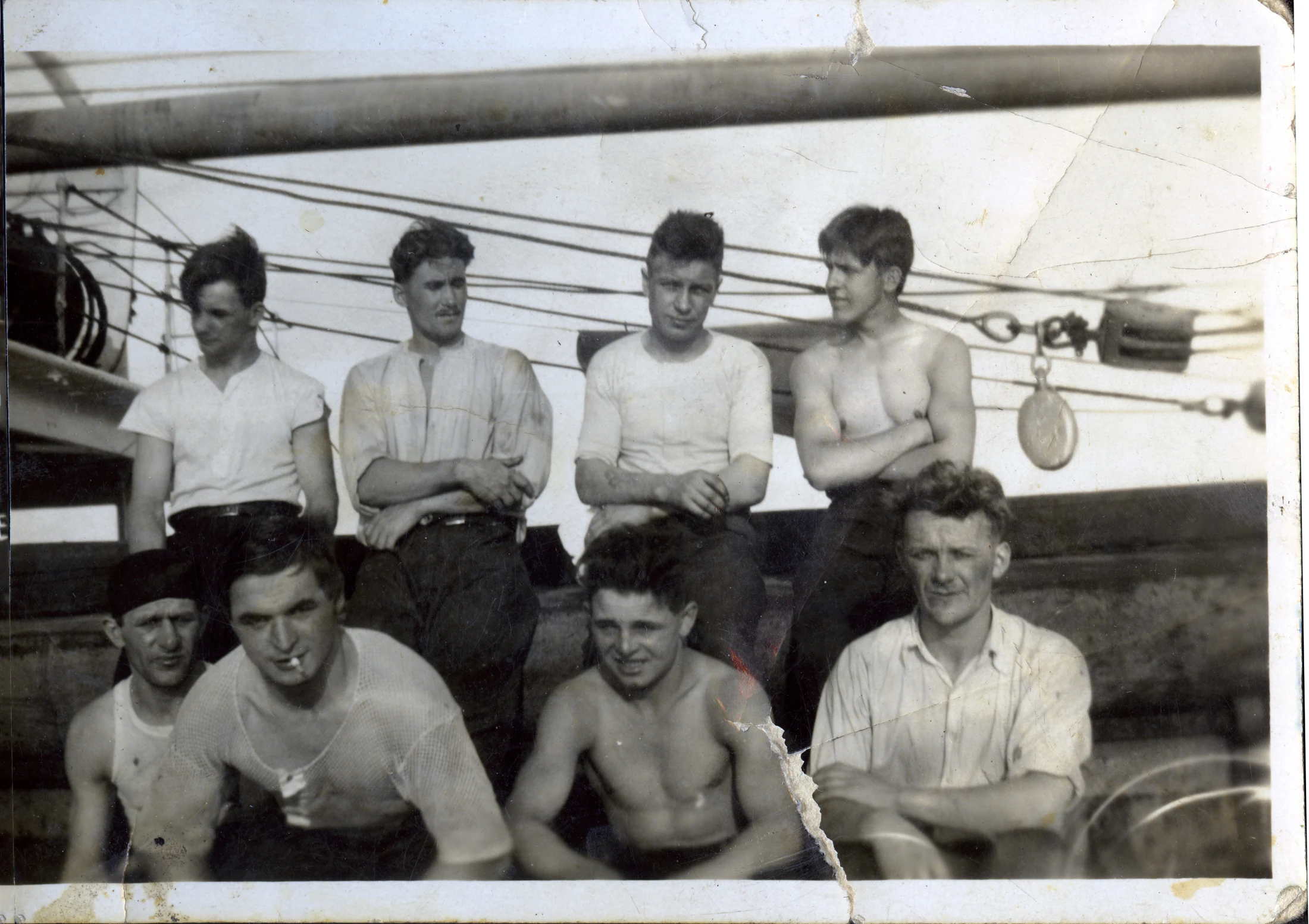
Surviving endorsements trace Hans’s seafaring career to 1924. Employer references later document his work as a donkeyman aboard Birk and Hvoslef, followed by years aboard Harpon as a fireman, greaser and engineer’s assistant. [3]
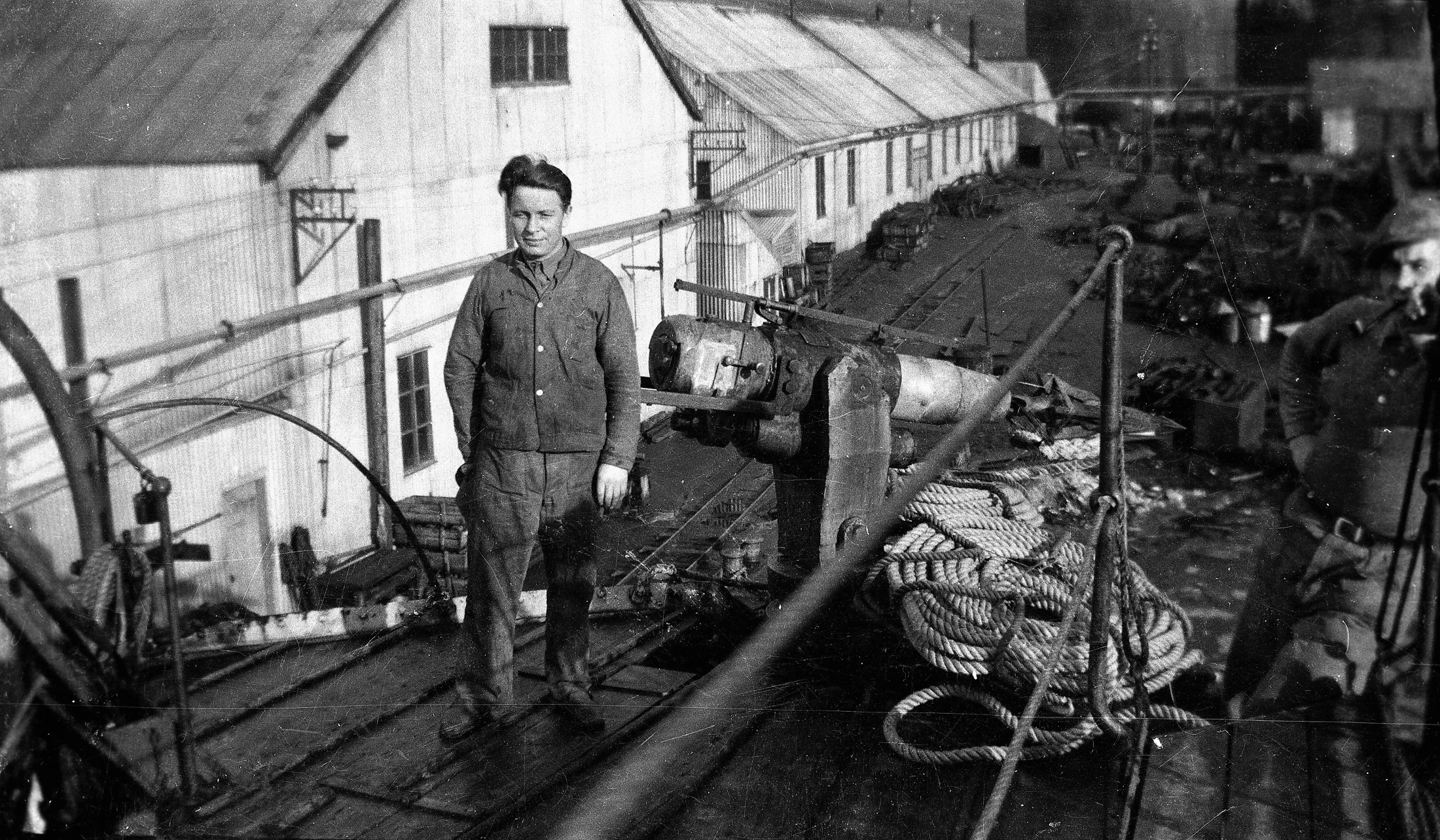
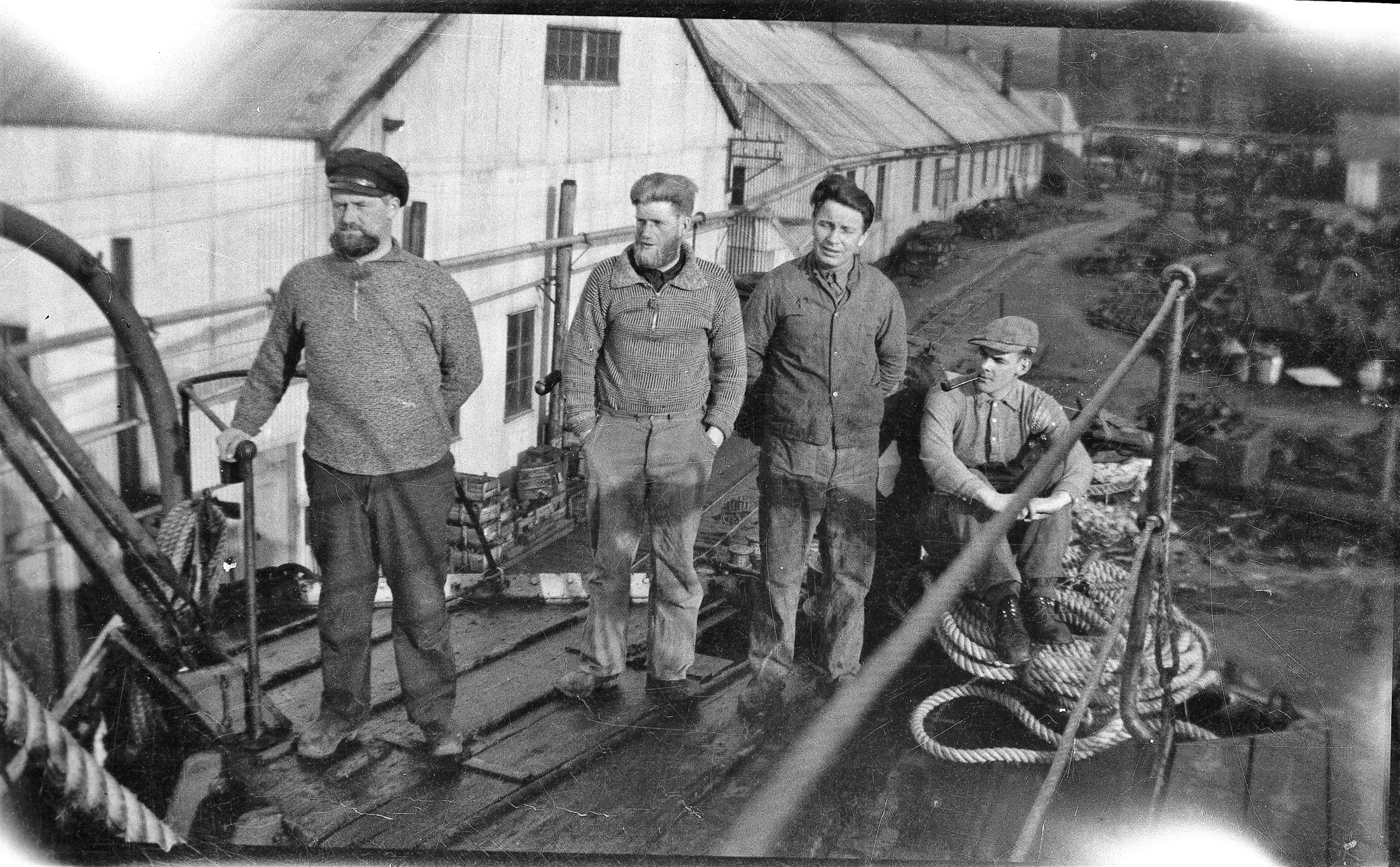
His whaling years connected him with South Georgia. Letters headed Foca and an address at Grytvika describe catches, illness, sending money home and the separation from Alfhild and their children. The letters preserve a personal story alongside the service dates. [4]
During the Second World War, records connect him with Gunvor; the maritime inquiry names him as a rescued third engineer after the ship’s loss on 14 June 1942. A later secondary roster gives a different rank; the inquiry’s identification is used here. His subsequent work as pumpman aboard Evita is repeatedly documented in crew lists. [5]
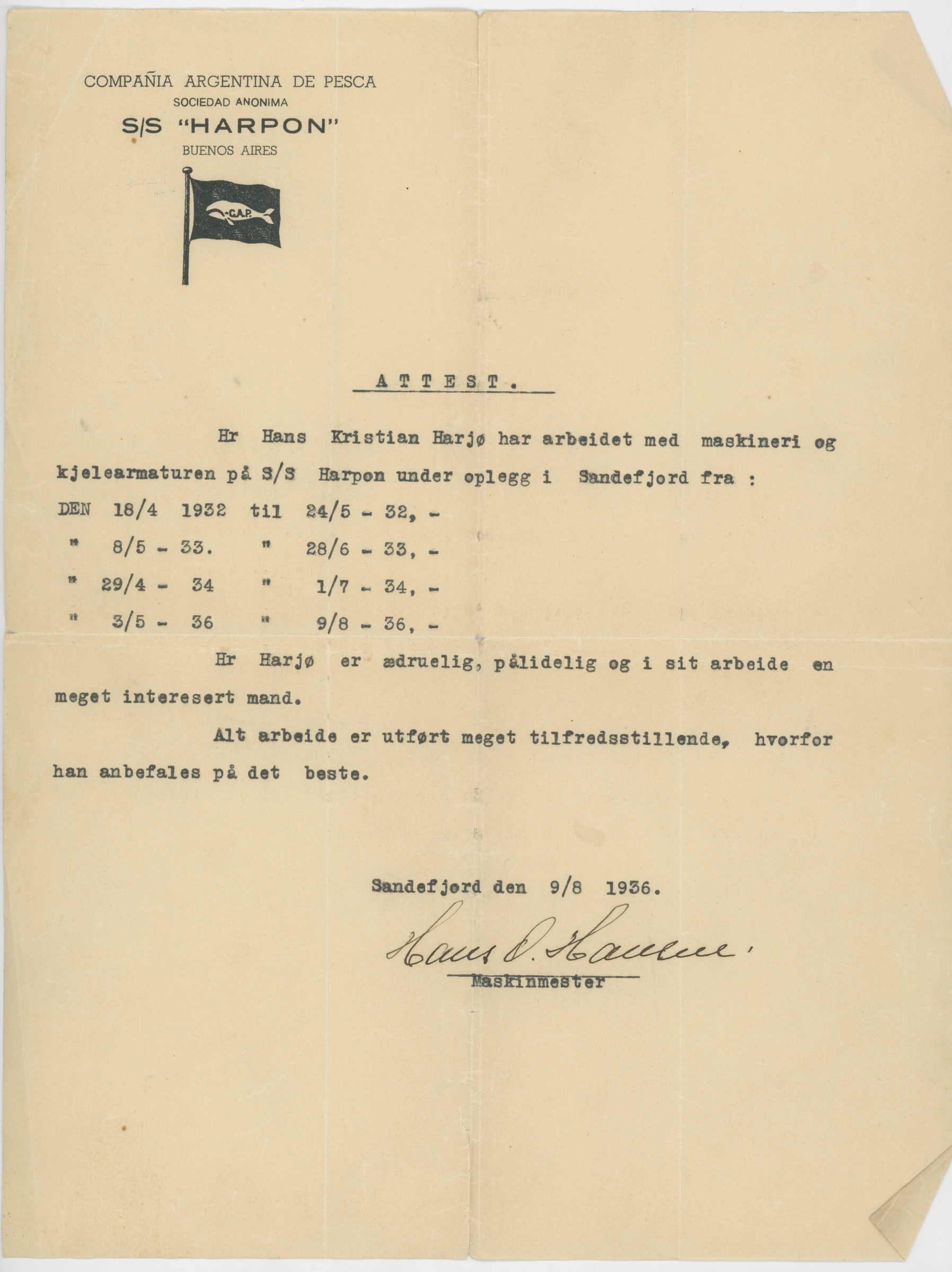
Explore the ships & maritime timeline →The men who worked with Hans left a consistent impression of his skill and reliability. In March 1929, Birk’s first engineer called him, in translation, “one an engineer can rely on.” A later Harpon reference records work on machinery and boiler fittings during four periods when the ship was laid up in Sandefjord, between 1932 and 1936. His working life continued ashore between voyages. Birk recommendation; Harpon maintenance record.
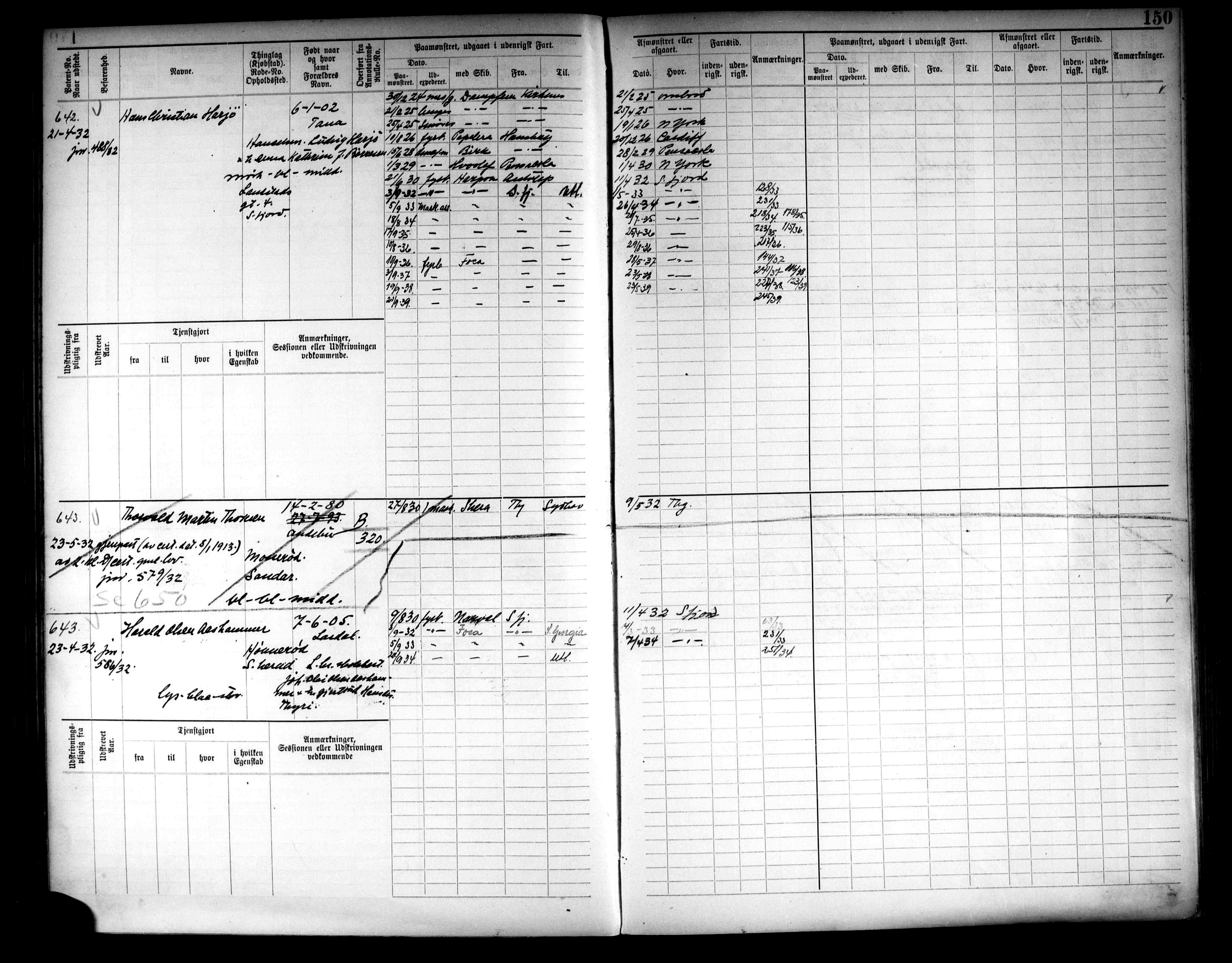
On December 30, 1924, Hans joined Dampfem at Kirkenes. His work changed as he gained experience: the Sandefjord seaman register records a mess-boy engagement, a move to coal trimming on February 21, 1925, and work as a greaser from April 25. The two changes were made aboard ship. His family-held endorsement confirms Kirkenes and his discharge in New York on January 19, 1926. An earlier reading of the joining port as Rotterdam has been corrected.
A crew-change report places Kristian Harjo, aged twenty-four and Norwegian, among the men paid off and left in hospital in New York. Read beside his service register, it strongly identifies Hans and gives context to the discharge. The hospital and length of his stay remain unknown. Although filed in a Boston collection, the accompanying statement is headed New York, January 26, 1926; the index date should not be treated as a separate Boston arrival. Crew report.
Later that year he worked as a fireman on Papelera, joining at Hamburg in August and leaving at Cardiff in December. A Thuban crew list records his engagement at Cardiff on January 11, 1927, before arrival in New York on February 1. By February 1929, his work had taken him to Pensacola: he left Birk on February 28 and joined Hvoslef the following day. His employer testimonials agree with the register’s dates and describe a skilled, dependable worker. Thuban crew list.
This is the complete sequence on Hans’s B642 register entry. Ports are signing-on or discharge locations, not a complete itinerary. Sandefjord is recorded at both ends of the completed Harpon and Foca engagements; the 1939 Foca entry has no ending. Foreign service is recorded without naming every destination.
| Engagement | Ship | Work | Ports recorded |
|---|---|---|---|
| 30 Dec 1924–21 Feb 1925 | Dampfem | Mess boy → coal trimmer aboard | Kirkenes |
| 21 Feb–25 Apr 1925 | Dampfem | Coal trimmer → greaser aboard | — |
| 25 Apr 1925–19 Jan 1926 | Dampfem | Greaser | New York |
| 10 Aug–20 Dec 1926 | Papelera | Fireman | Hamburg → Cardiff |
| 15 Jun 1928–28 Feb 1929 | Birk | Donkeyman | Hamburg → Pensacola |
| 1 Mar 1929–1 Apr 1930 | Hvoslef | Donkeyman | Pensacola → New York |
| 21 Jun 1930–11 Apr 1932 | Harpon | Fireman | Sandefjord |
| 3 Sep 1932–1 May 1933* | Harpon | Fireman by ditto* | Sandefjord |
| 5 Sep 1933–26 Apr 1934 | Harpon | Engine assistant | Sandefjord |
| 18 Aug 1934–20 Jul 1935 | Harpon | Engine assistant | Sandefjord |
| 17 Sep 1935–25 Apr 1936 | Harpon | Engine assistant | Sandefjord |
| 10–29 Aug 1936 | Harpon | Engine assistant | Sandefjord |
| 10 Sep 1936–28 May 1937 | Foca | Fireman | Sandefjord |
| 3 Sep 1937–23 May 1938 | Foca | Fireman | Sandefjord |
| 19 Sep 1938–23 May 1939 | Foca | Fireman | Sandefjord |
| From 21 Sep 1939; ending blank | Foca | Fireman | Sandefjord |
*The overwritten 1932 joining date appears to read September 3, and the occupation repeats fireman. His signed Harpon testimonial instead gives August 3, 1932–May 1, 1933 as a greaser. A typed copy gives an August 1933 ending. These discrepancies remain open. The signed testimonial groups August 1934–May 1936 together, while the register separates engagements and gives April 25, 1936 as a discharge date. They need not describe exactly the same employment boundaries.
A donkeyman looked after auxiliary steam machinery; a coal trimmer moved coal to supply the stokers; a fireman tended the boilers. “Engine assistant” does not by itself establish a licensed engineer’s rank.
Original register, printed page 150 · Open the full register image
Harpon’s maintenance certificate places Hans at work on machinery and boiler fittings while the ship lay in Sandefjord: April 18–May 24, 1932; May 8–June 28, 1933; April 29–July 1, 1934; and May 3–August 9, 1936. The last period leads directly into the brief August 10–29 engagement before he moved to Foca in September.
The register also gives Landstads gate 4, Sandefjord, as an address, without establishing when he first lived there. His earlier departure from Gamvik for Sandefjord in April 1922 still leaves questions about 1922–24. Neither a port entry nor the absence of a voyage from this roll proves where he lived throughout the intervening months.
1930–1941 · The whaling years
Grytviken, the whaling station on South Georgia in the South Atlantic, was part of Hans’s working world. His Krigsseilerregisteret biography explicitly records that he was at Grytviken shore station in 1939/40. This is a documented connection even though the register’s voyage map has no South Georgia marker: a biographical note and a mapped ship movement are different records. His exact arrival and departure dates, and residence during other winters, remain under investigation; his August 1940 letter says illness prevented that year’s planned overwintering. Grytviken and service record.
His work with Compañía Argentina de Pesca took him from Harpon’s engine department to service as a fireman aboard the catcher Foca. Eight seasonal allotment entries from 1932–33 through 1939–40 trace money allocated home. A separate Harpon instruction, dated 29 August 1932, names both Hans and Alfhild and assigns her 140 kroner per month from 25 September. The surname is typed as “Herjó”; the matching couple and service details strongly identify them. Pesca allotment records.
The 1939–40 settlement names him “Hans K. Harjö” and “Fogonero, Foca”—fireman aboard Foca. It records seven months’ salary at 215 kroner and seven monthly remittances of the same amount. Wartime extra pay, oil-related participation payments and overtime brought his total credits to 2,963.77 kroner. These figures describe one accounting period, not his entire time aboard. Foca settlement, page 16.
Alongside the accounts are his letters. On 8 January 1940, writing aboard Foca, Hans said he had applied to stay through the winter. On 2 August, he explained that illness had prevented him from overwintering; he was well again and expected to head south to the whaling grounds. His September letter returned to those plans and the pain of separation from Alfhild and the children. The family remembers roughly eleven years in whaling; the registered 1930–1941 span broadly fits that recollection, without establishing continuous service or identical seasons every year. Family letters; family recollections.
1932 · Sandefjord
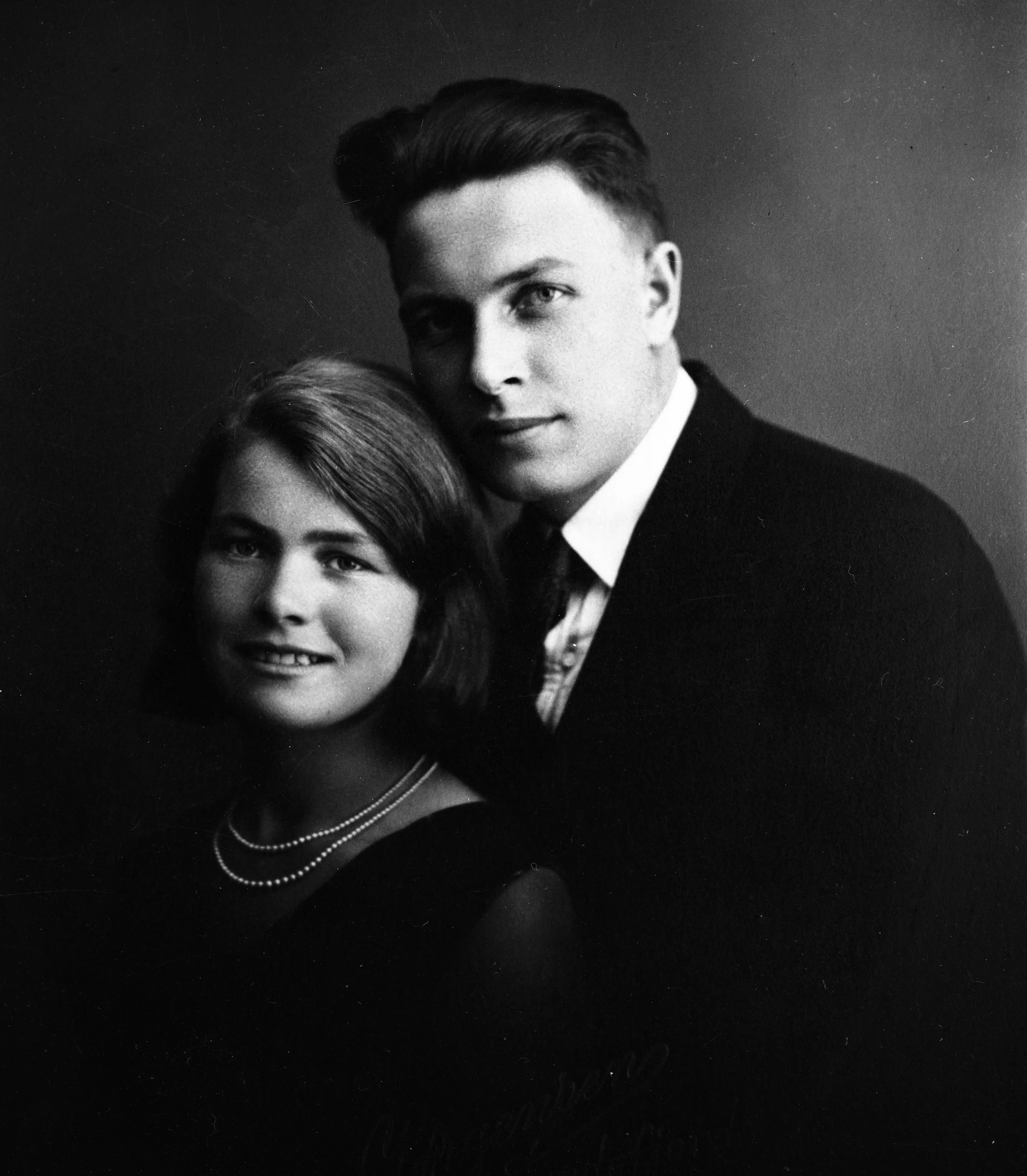
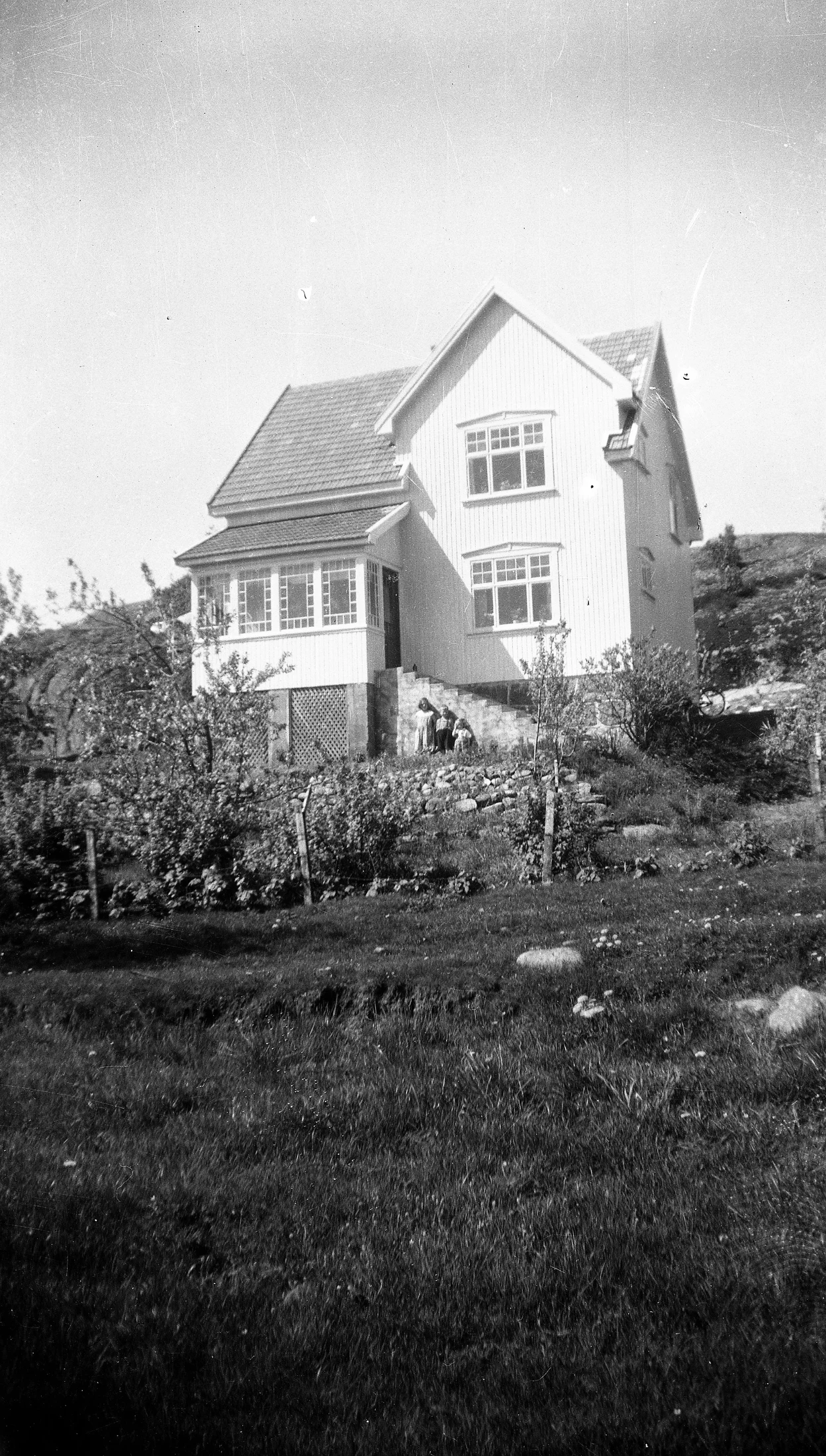
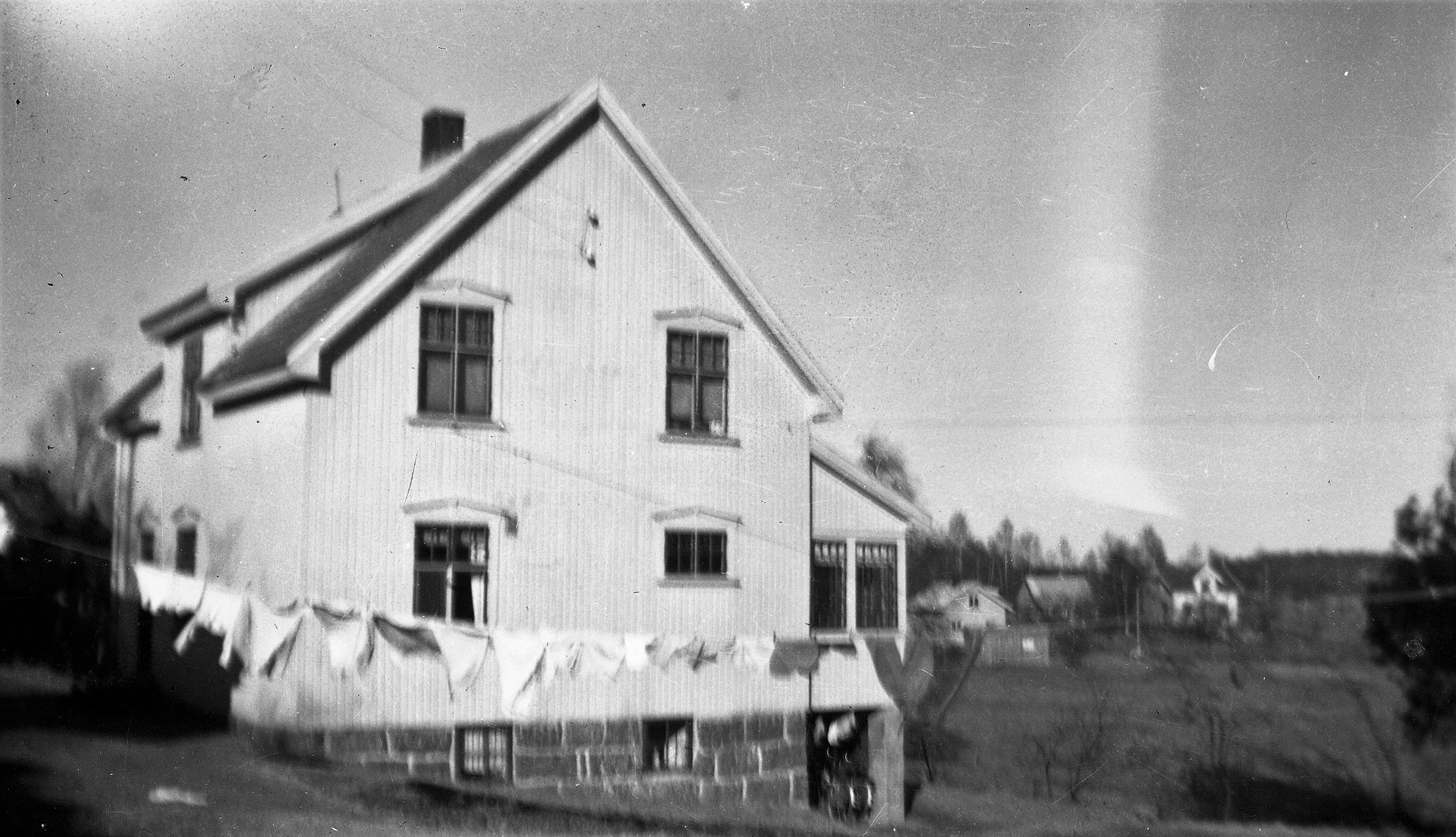
Hans married Alfhild Bergljot Johnsen in Sandefjord on 23 June 1932. Family photographs preserve their wedding portrait and views of the Sandefjord home. [6]
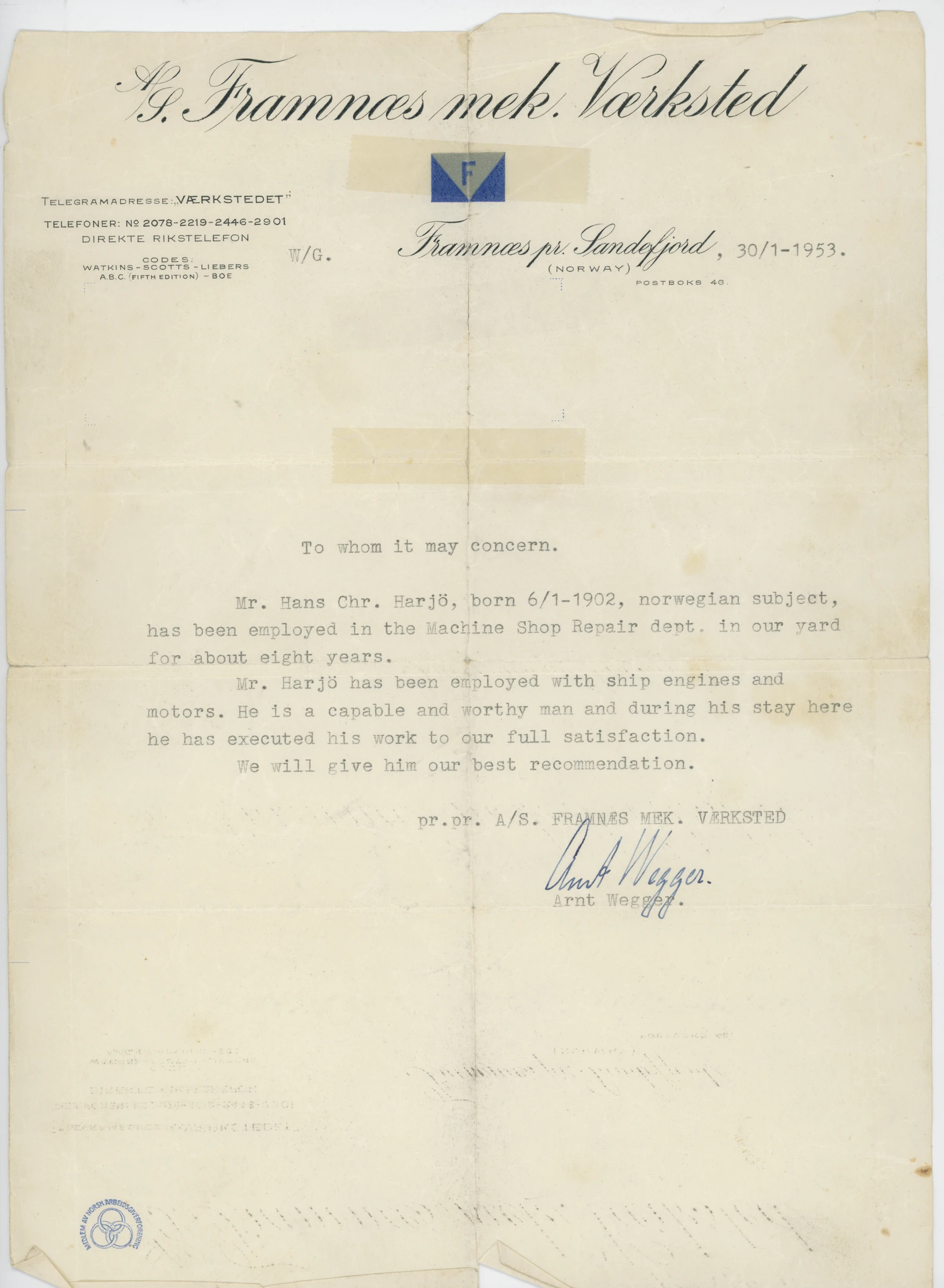
After the war, his work shifted ashore. The Framnæs personnel card records 23 July 1945–28 February 1953, putting his start ten days after his registered discharge from Thorshammer in Sandefjord. A January 1953 recommendation credits him with about eight years in the machine-shop repair department. The card’s amended trade wording is not yet confidently read, and it gives no reason for his departure. Framnæs personnel card; employer recommendation.
His son John remembered the family home at Sjuveengveien 17B in Sandefjord and his father cycling to Framnæs in all weather—a journey of about twenty minutes. It is a small memory of the working days that held family life together. [9]
1953 · Norway to New York
In March 1953, Hans traveled from Gothenburg to New York aboard Stockholm with Hans F. and Liv. Alfhild and the other children followed aboard Stavangerfjord in May. Those passenger journeys belong to the family’s migration story, rather than Hans’s employment at sea. [7]
The family photographs and travel papers let us follow this change in their lives: a departure, time aboard ship, and the beginning of a home across the Atlantic.
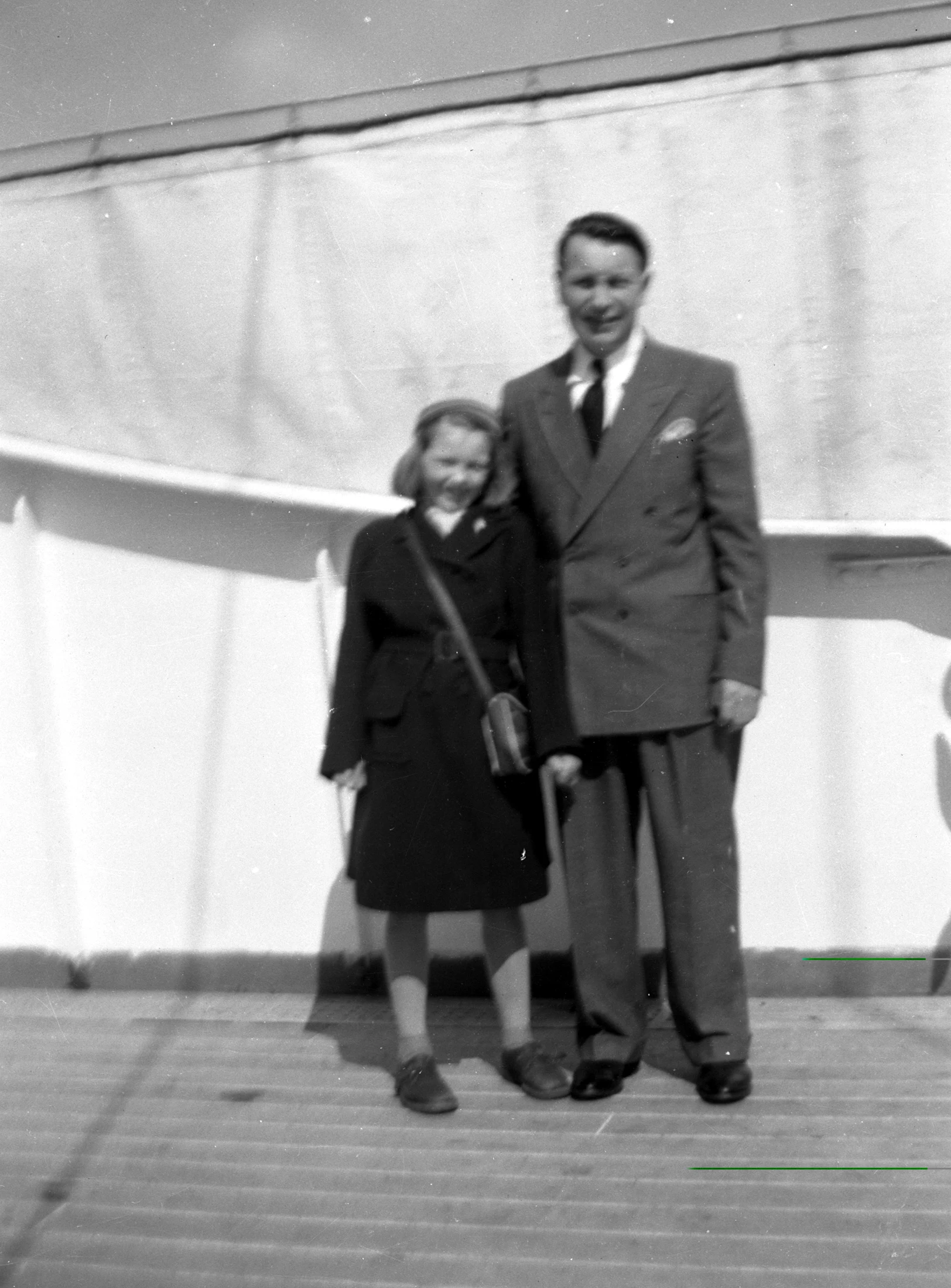
This photograph, identified by the family as Hans and Liv on their journey to America, puts faces beside the passenger records.
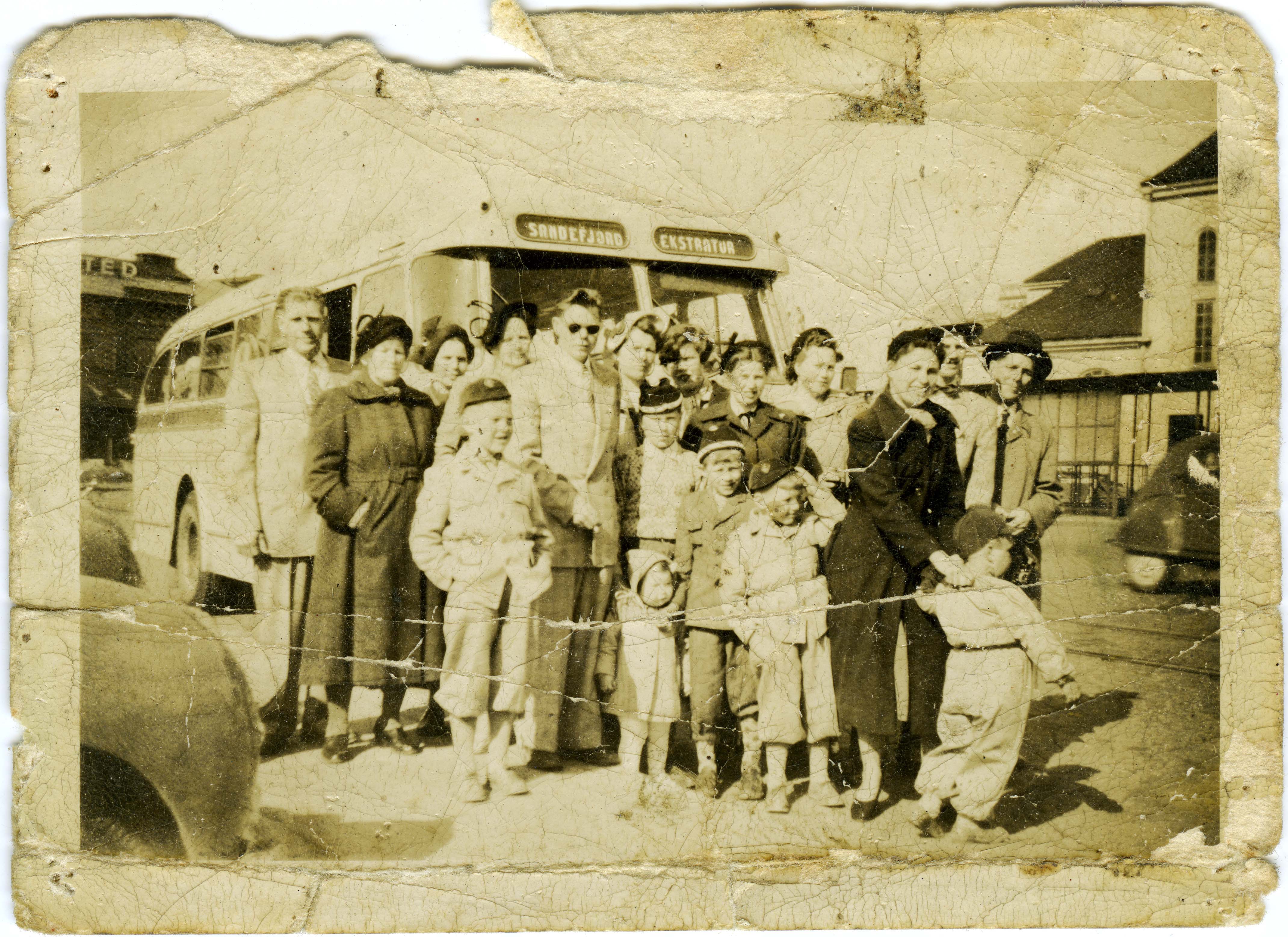
Alfhild and the other children made the crossing in May. The family album includes a group gathered beside a bus before departure and a photograph identified as John, Lill and Alfhild aboard ship. Together, they preserve moments around the journey; the names of everyone beside the bus are still to be added.
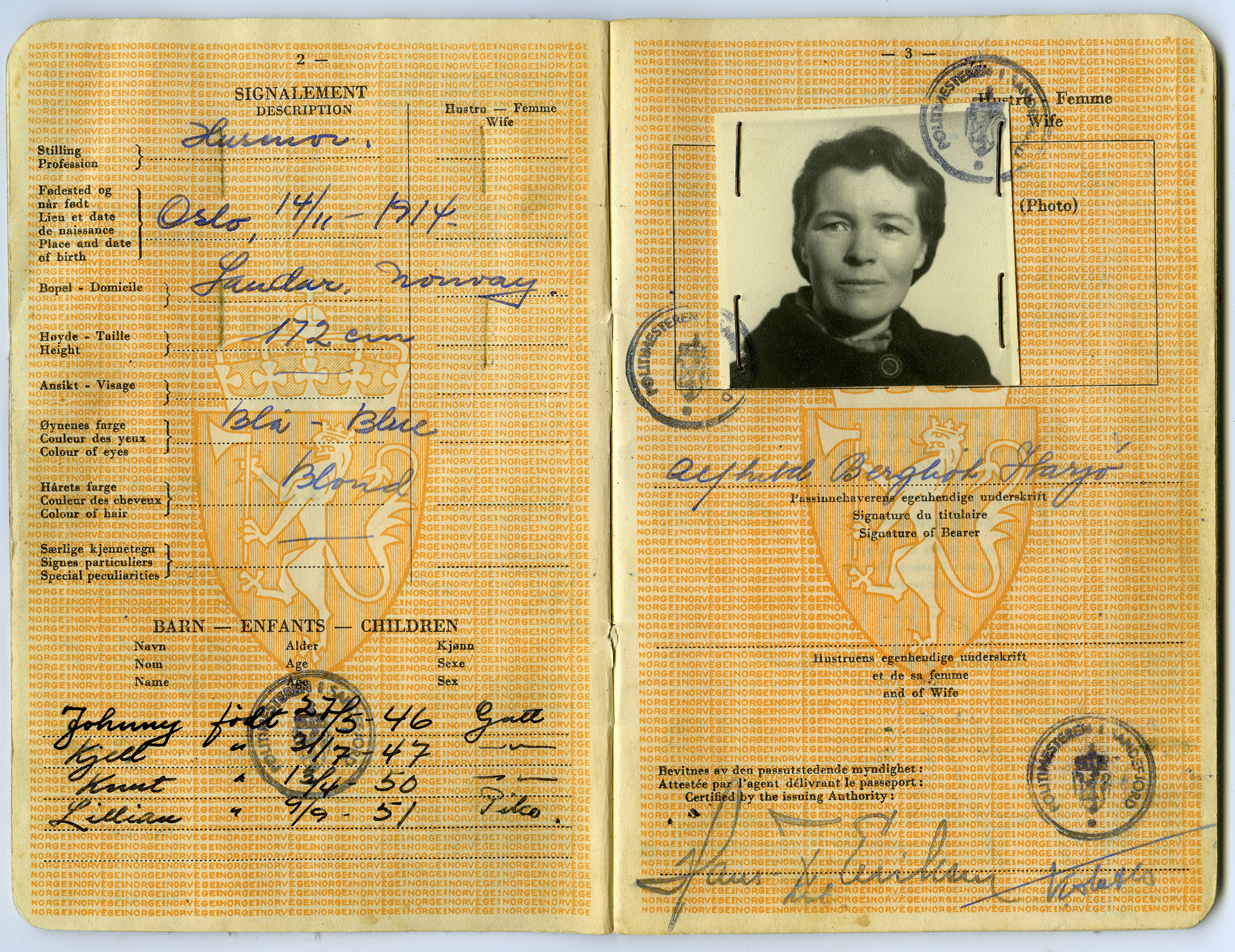
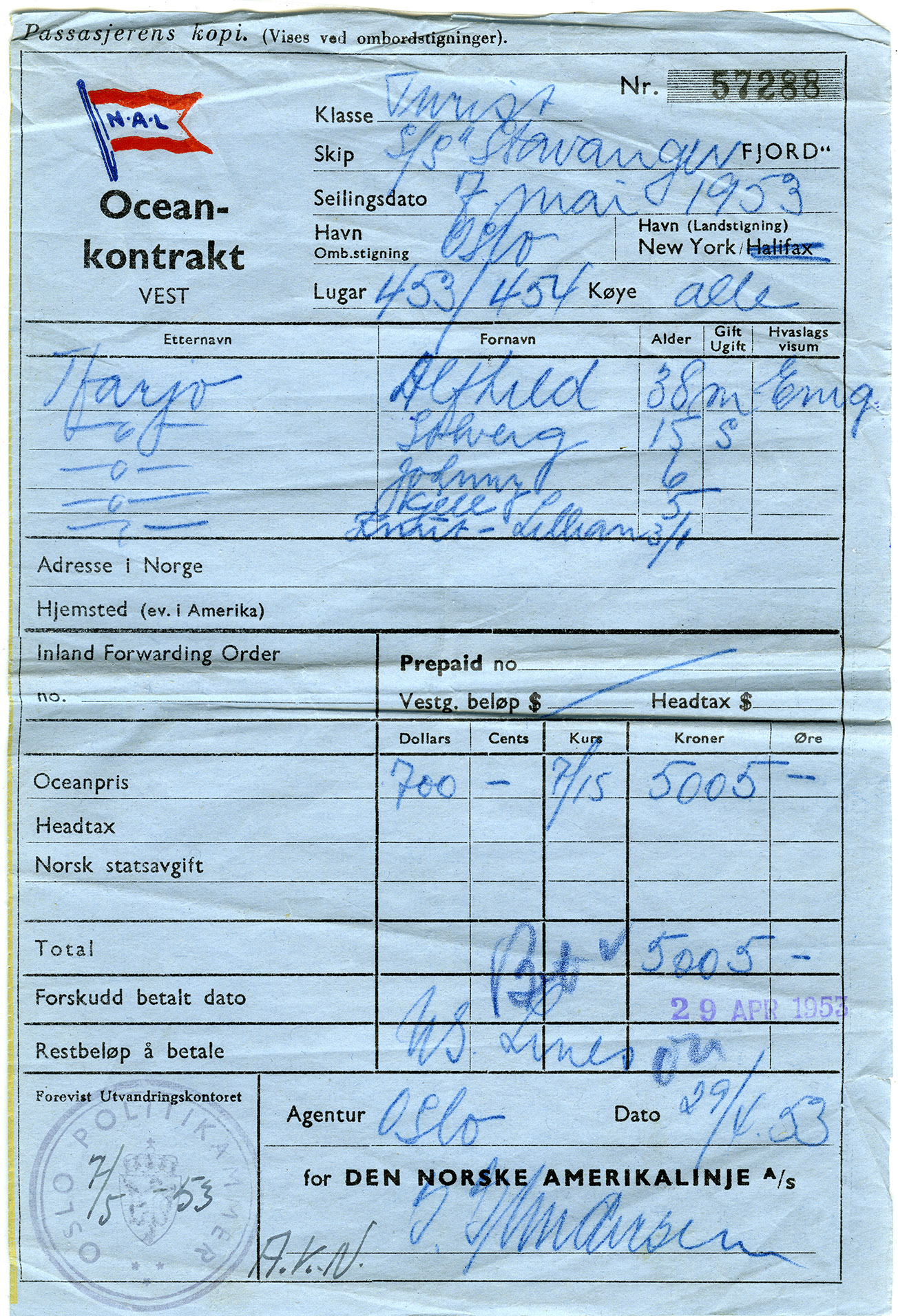
Alfhild’s passport and the family’s Stavangerfjord passage contract survive alongside the photographs. The contract was issued on April 29 for sailing on May 7, 1953. Open either document to examine it more closely.
 View photograph
Alfhild’s passport, preserved in the family collection.
Share a memory or help with namesThe printed field labels also appear in English. Occupation: housewife. Place and date of birth: Oslo, November 14, 1914. Residence: Sandar, Norway. Height: 172 cm. Eyes: blue. Hair: blond. No distinguishing marks are entered.
The children listed are Johnny (February 27, 1946), Kjell (October 3, 1947), Knut (February 13, 1950) and Lillian (October 9, 1951). The column headed “Age” contains dates of birth. The signature reads Alfhild Bergljot Harjø. Small official stamps and signatures are not fully legible.
 View photograph
Family passage contract for Stavangerfjord, dated 7 May 1953 in the supplied filename.
Share a memory or help with namesPassenger’s copy, to be shown at embarkation. Westbound ocean contract, Norwegian America Line. Class: tourist. Ship: S/S Stavangerfjord. Sailing date: May 7, 1953. Embarkation: Oslo. Disembarkation: New York (Halifax crossed out). Cabins: 453/454; berths: all.
Passengers under the surname Harjo: Alfhild, age 38, married; Solveig, 15, single; Johnny, 6; Kjell, 5; Knut and Lillian, 3 and 1. These are the ages written on the contract. Visa entry: immigration.
Ocean fare: $700; exchange rate: 7.15; total: 5,005 kroner. The Norwegian-address and American-domicile fields are blank. Other printed headings include head tax, Norwegian government fee, advance payment and balance due. Agency: Oslo; dated April 29, 1953. The emigration-office stamp is dated May 7, 1953. Some payment annotations and the agent’s signature are indistinct.
John’s memories place the family at 44 Quinlan Avenue on Staten Island for about six years. He recalled that Hans, Hans F. and Liv had first stayed with Johnny Horgen while getting established. For the children, the move meant starting at P.S. 30 without knowing English. John remembered being placed a grade ahead of his younger brother Kjell and finding it difficult to catch up. He could no longer remember the process of learning English itself; looking back, it seemed to have happened quickly. [9]
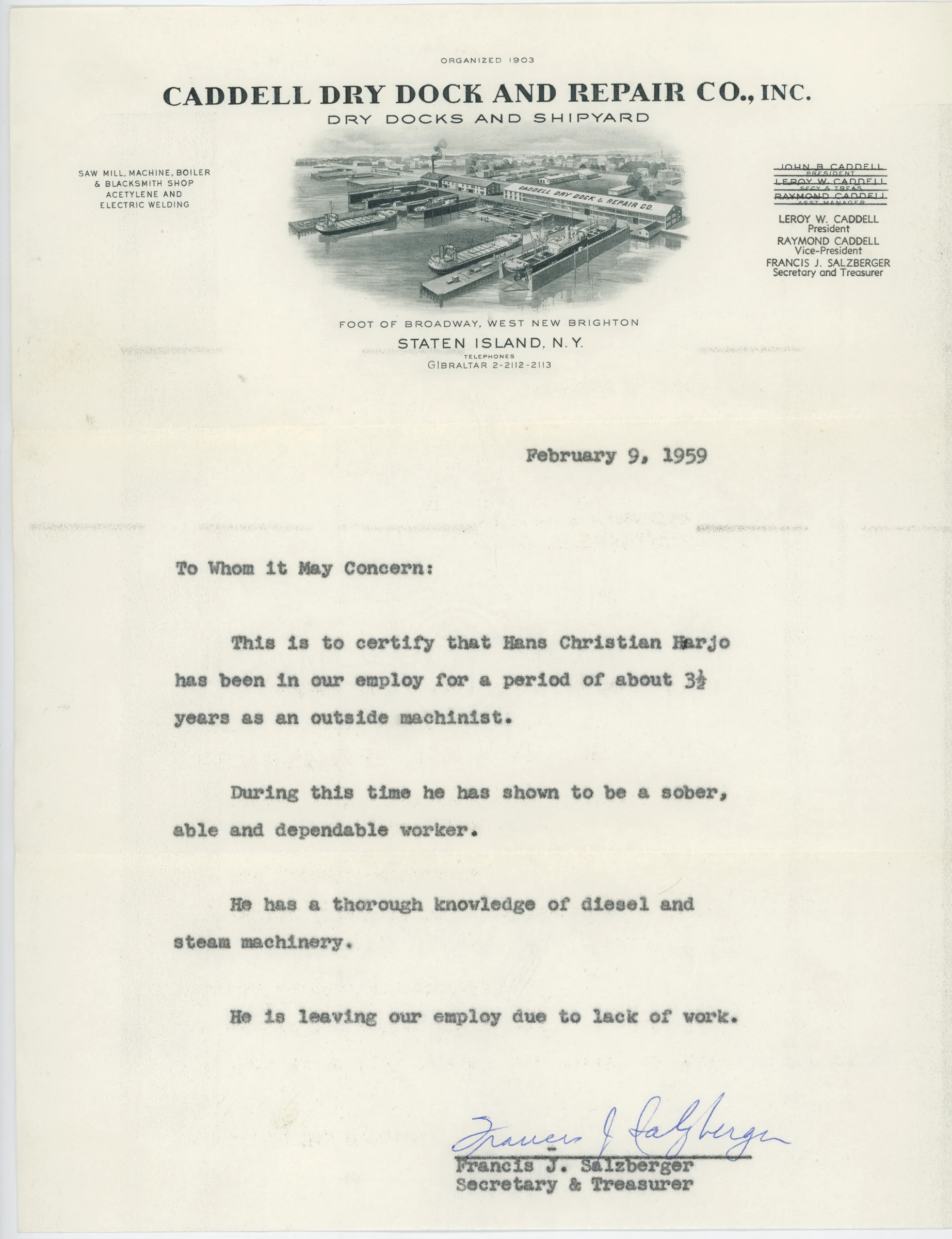
Hans worked as an outside machinist at Caddell Dry Dock for about three and a half years. Its February 9, 1959 recommendation described him as sober, able and dependable, with thorough knowledge of diesel and steam machinery. He was leaving because of a lack of work. That gives some context for the family’s move west later that year, although the letter does not explain their decision to move. Read the recommendation.
John remembered moving to Seattle in the summer of 1959. The family initially stayed at Philadelphia Church in Ballard, then moved to a house on Jones Avenue. His recollections connect those years with James Monroe and, later, Ballard High School. [9]
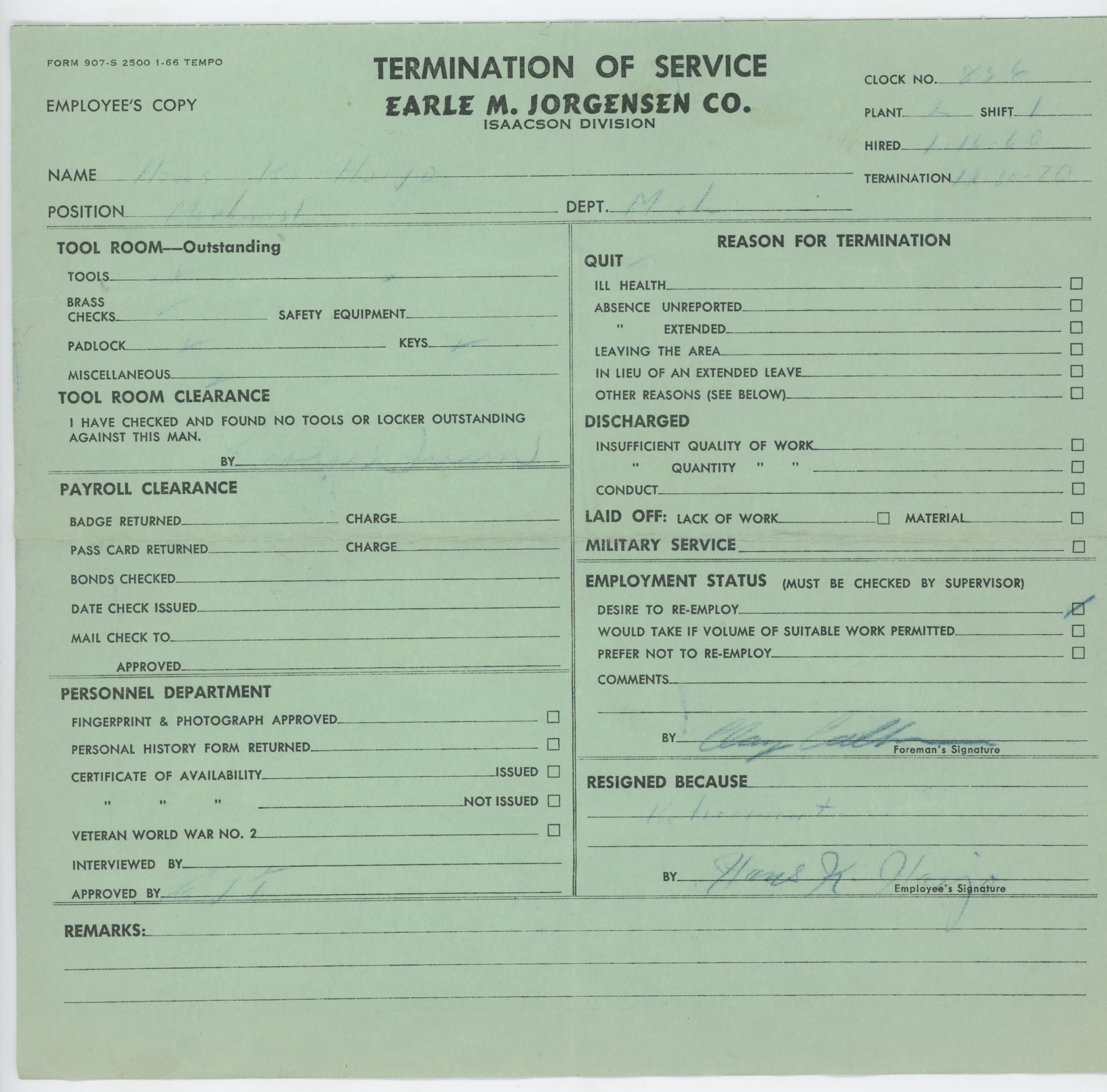
In Seattle, John recalled his father working at Isaacson’s, using a large lathe to make propeller shafts. The surviving employment record now supplies the dates: January 16, 1960–December 30, 1970. It names Hans as a machinist in Earle M. Jorgensen Company’s Isaacson Division. [9] Employment and retirement record.
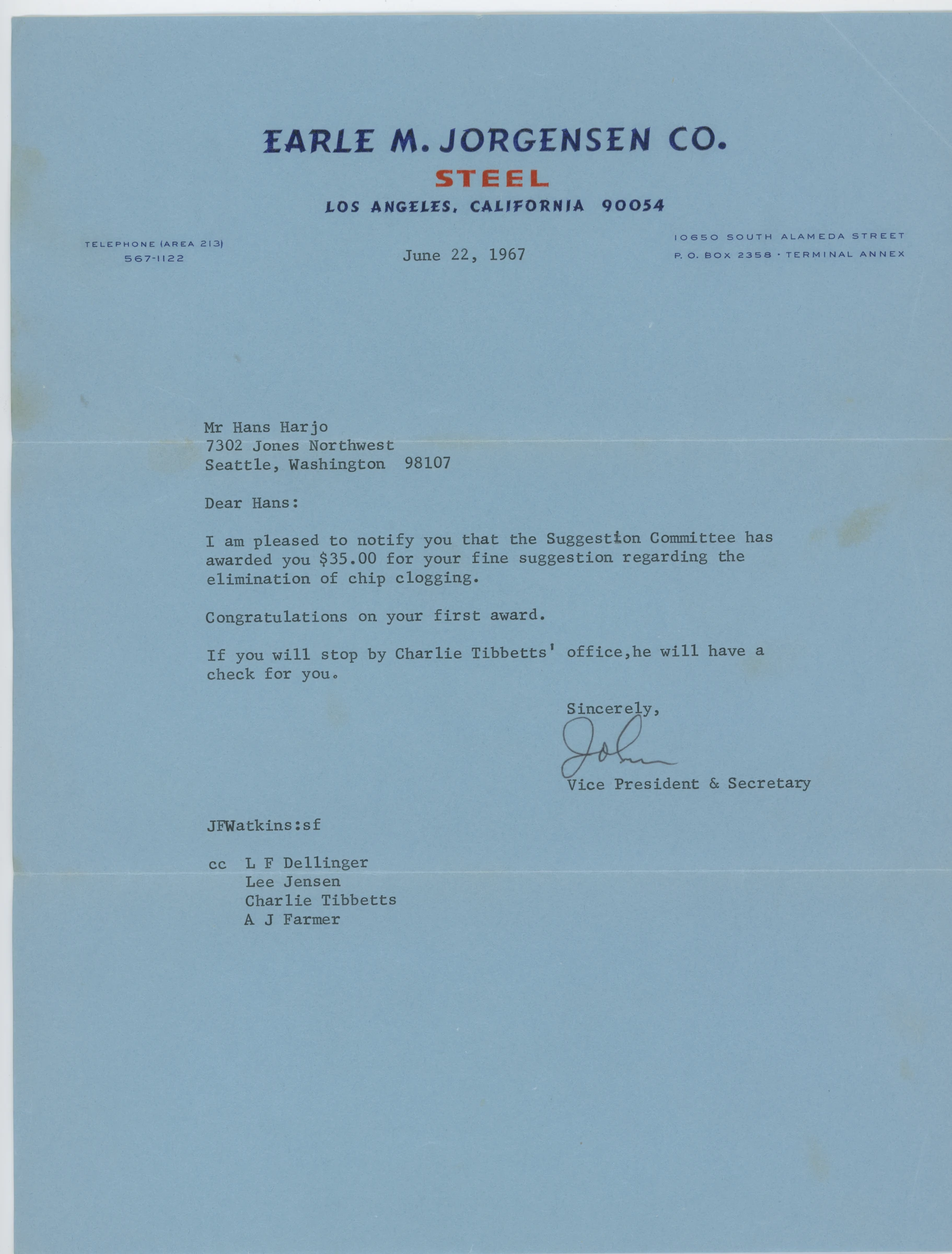
One small letter brings those shop years to life. On June 22, 1967, the company awarded Hans $35 for a suggestion concerning the “elimination of chip clogging,” congratulating him on his first award. At 65, he was still finding ways to improve the work around him. The letter does not describe the technical solution. Read his award letter.
Hans retired on December 30, 1970, after nearly eleven years at Isaacson, one week before his 69th birthday. His departure form gives the reason as “Retirement” and marks “Desire to re-employ”—a final expression of the regard in which his employer held him. The faint handwritten dates were clarified by the family. Retirement record.
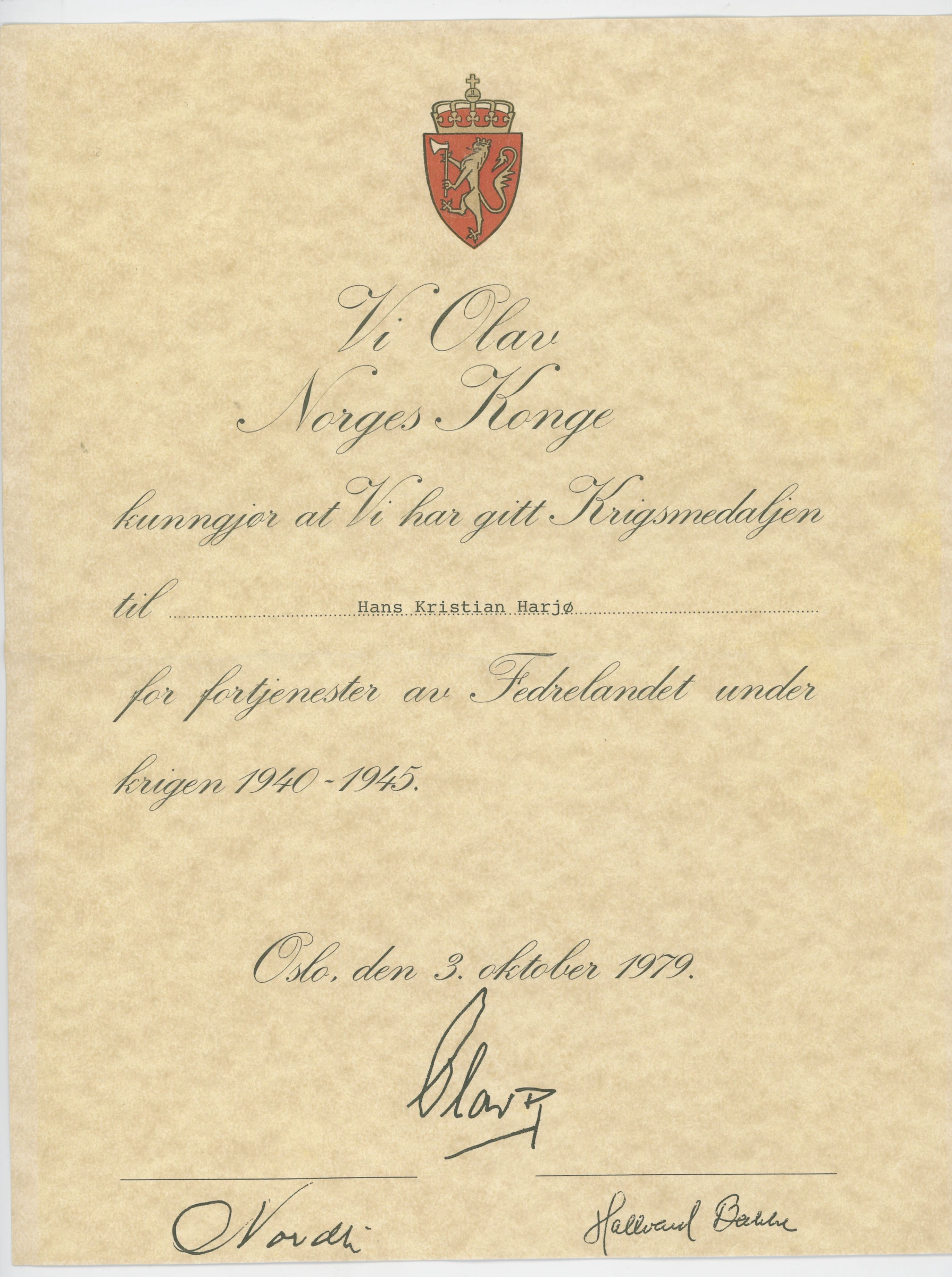
Hans’s Norwegian War Medal certificate is dated October 3, 1979. It recognizes his service to the country during the war of 1940–1945. The older service-register extract gives March 18, 1980 as the award date; the relationship between those dates remains unresolved. View the certificate and English translation.
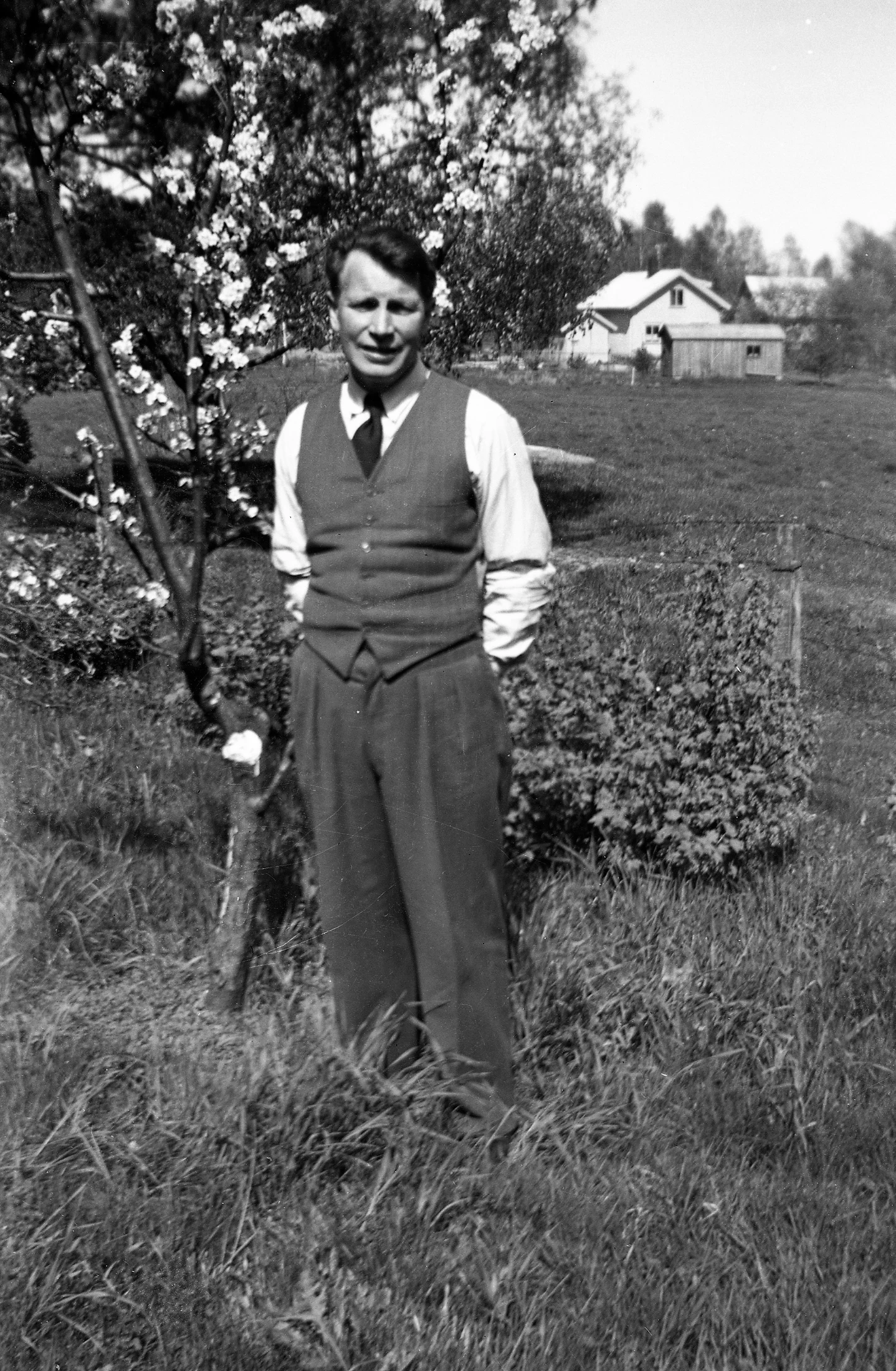
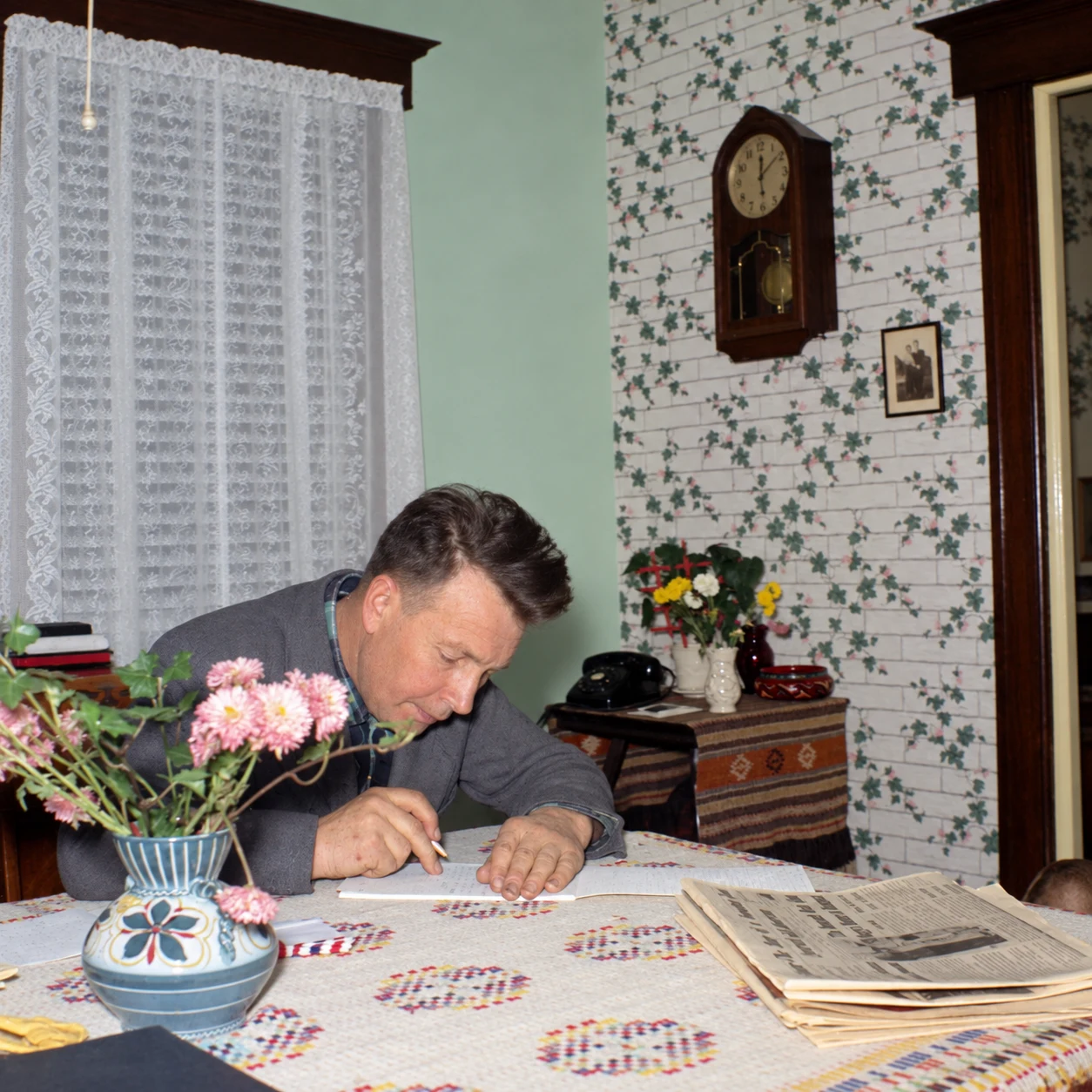
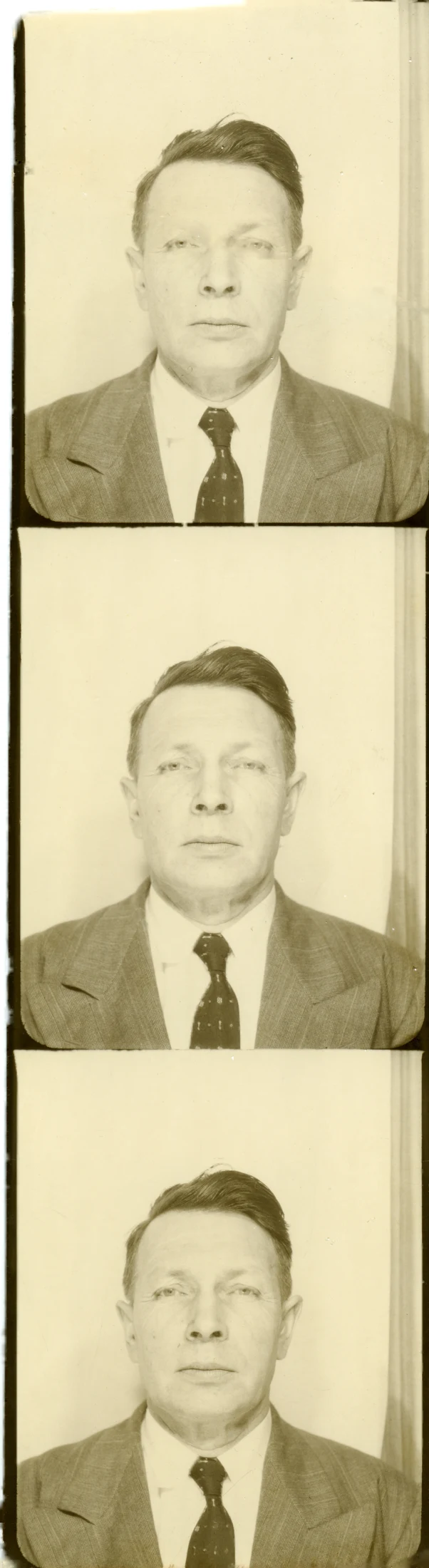
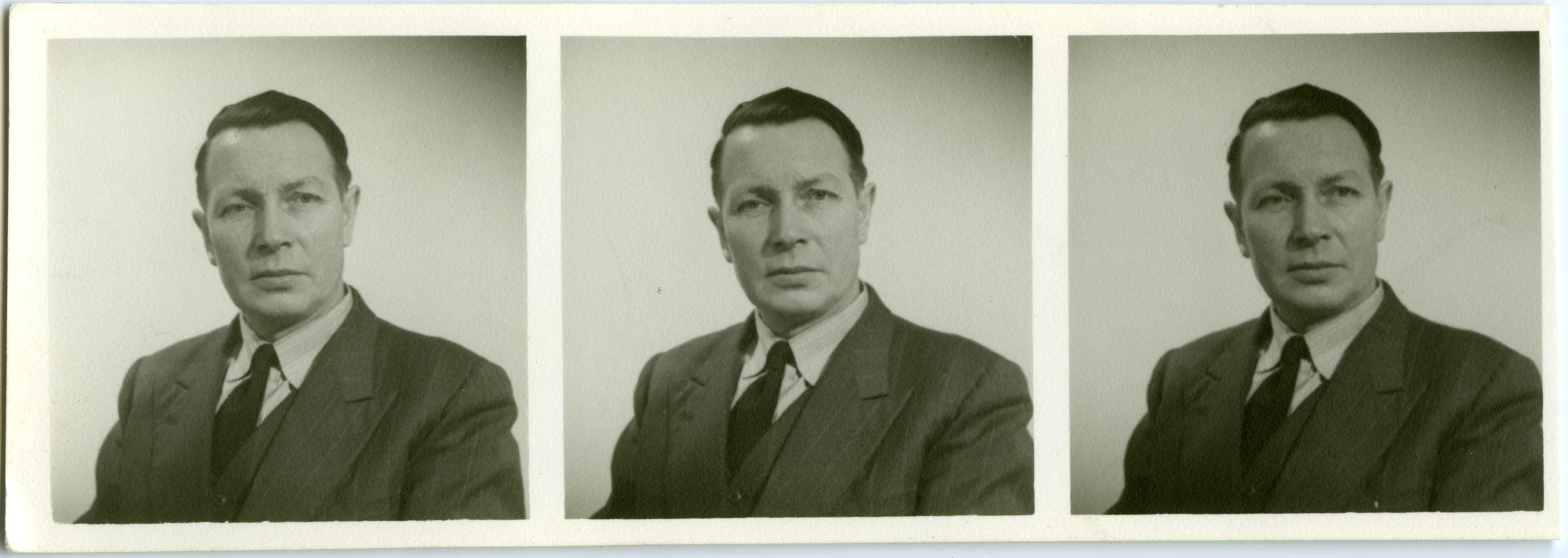
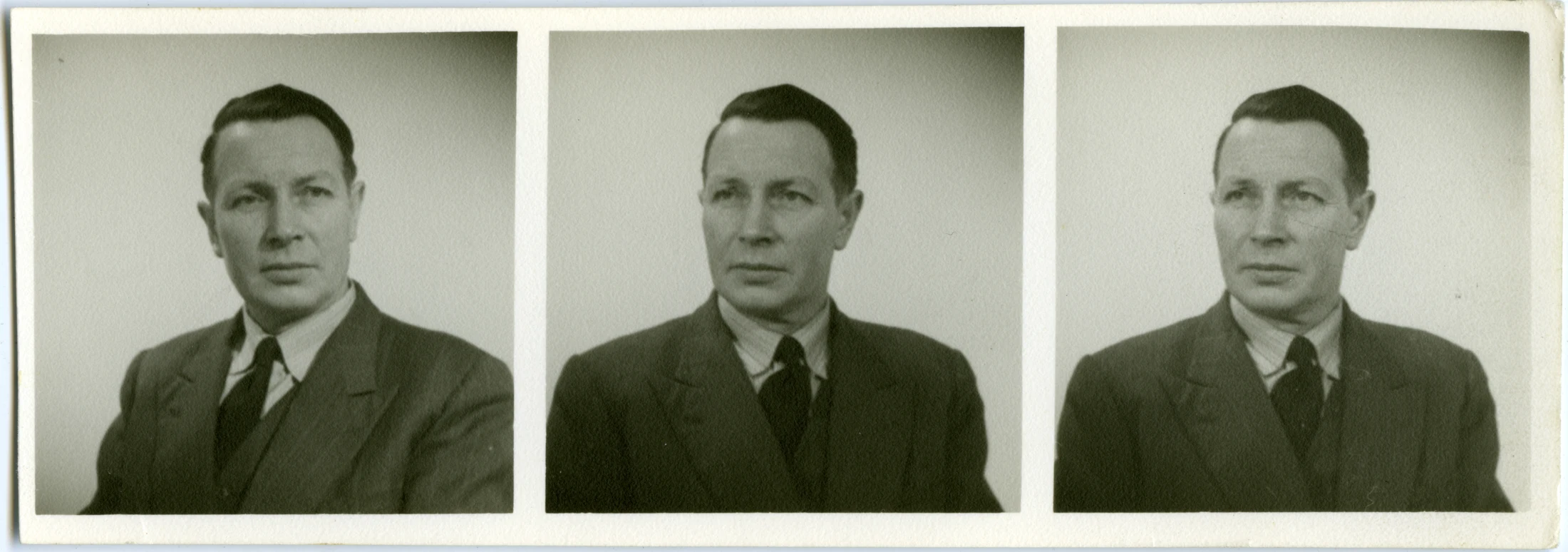
Hans died in Seattle on October 5, 1990, aged 88. His surviving papers span a working life on ships and in repair shops, while the photographs and his children’s memories preserve the family life around it. [8]
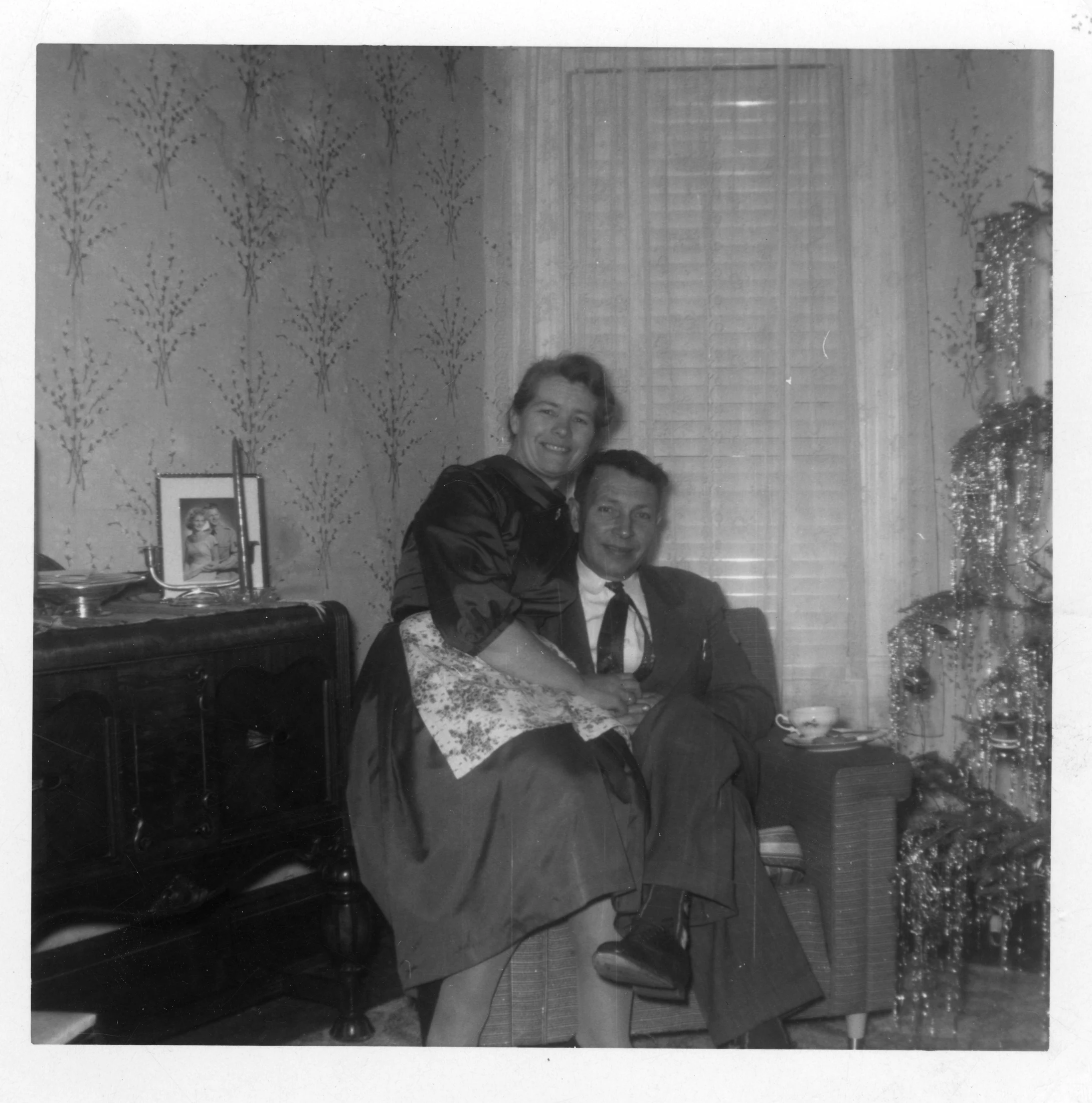
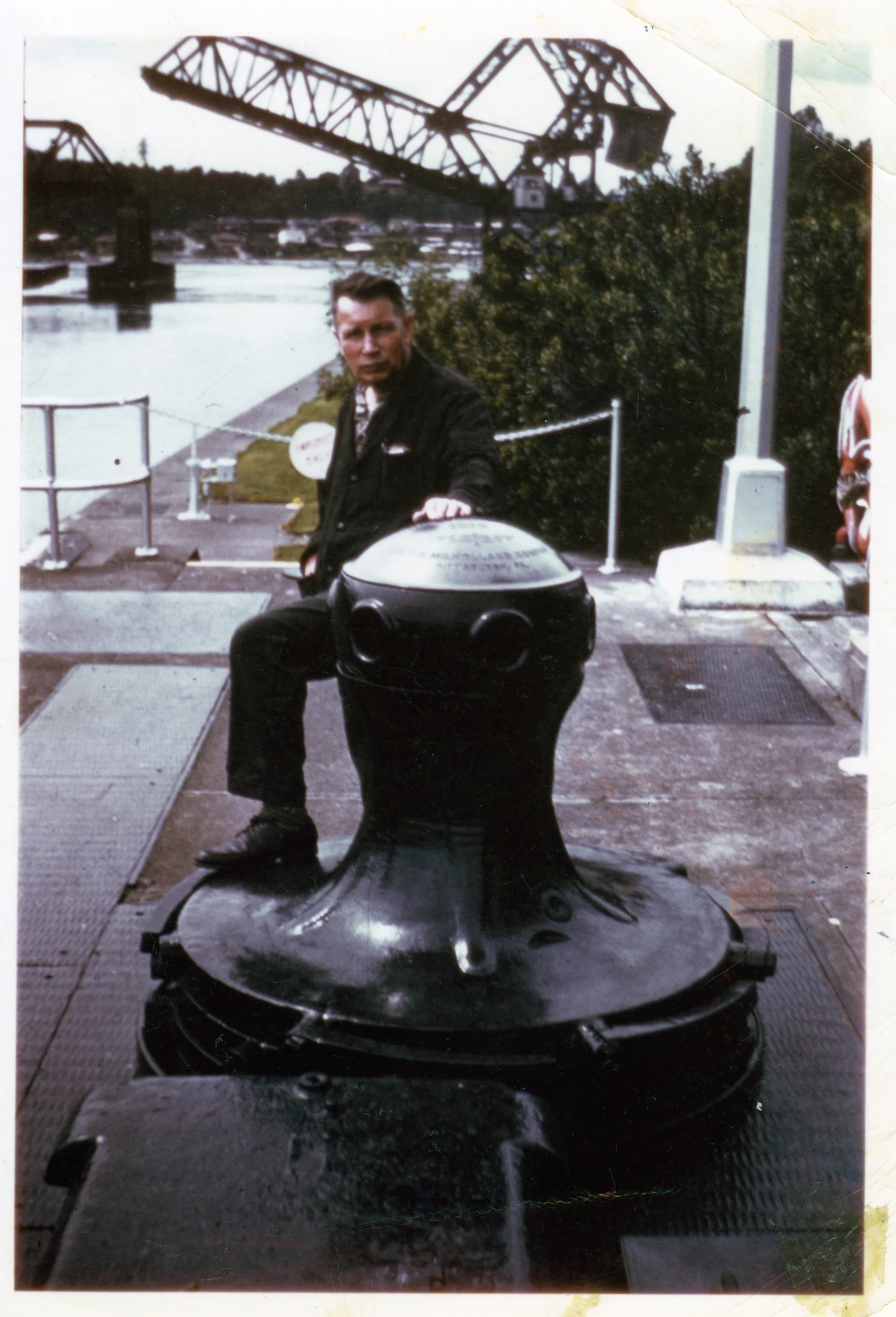
Later photographs bring us back to family life: Christmas with Alfhild and a visit to the Ballard Locks in Seattle.
Follow recorded birthplaces and homes through the years. Numbers connect the map to dated records; gold marks a birthplace. Markers show approximate towns or regions, not exact houses. A recorded year does not establish an uninterrupted stay.
Dated entries correspond to the numbered places. Enable JavaScript to select entries and zoom.
Birthplace is explicitly the Masjok area of Tana. Marker precision: broad regional marker; not a farm or village coordinate.
Source for this placeThe census places eight-year-old Hans with his mother and stepfather at Larsnes. Marker precision: broad regional marker; not a farm or village coordinate.
Source for this placeThe relocation certificate says last residence in Gamvik since 1917 and departure in April 1922. The same certificate has a 1932 arrival endorsement. Do not silently replace 1922 with 1932 or claim continuous Sandefjord residence from 1922. Marker precision: broad municipality marker; not a confirmed home address.
Source for this placeThe relocation certificate endorses arrival June 20, 1932, with Sandar police endorsement June 29. The document also records departure from Gamvik in 1922; the intervening years are unresolved. Marker precision: broad town area; historical Sandar residence not pinpointed.
Source for this placeJohn remembered the family home on Staten Island for about six years after migration in 1953. Approximate duration from family recollection; map uses borough-level location. Marker precision: borough; home address not pinpointed.
Source for this placeJohn explicitly recalled moving to Seattle in summer 1959, first staying in Ballard and then Jones Avenue. Family recollection; precise residential addresses deliberately not mapped.
Source for this placePorts of ship service and passenger embarkation/disembarkation are not home locations. Seattle death in 1990 does not by itself prove an uninterrupted 1959–1990 residence interval. Grytviken in 1939–1940 is documented as a whaling work station; it is not included as a home.
Present-day coastline: Natural Earth. Historical place names are retained in the records. The map and dated list also remain available without JavaScript.
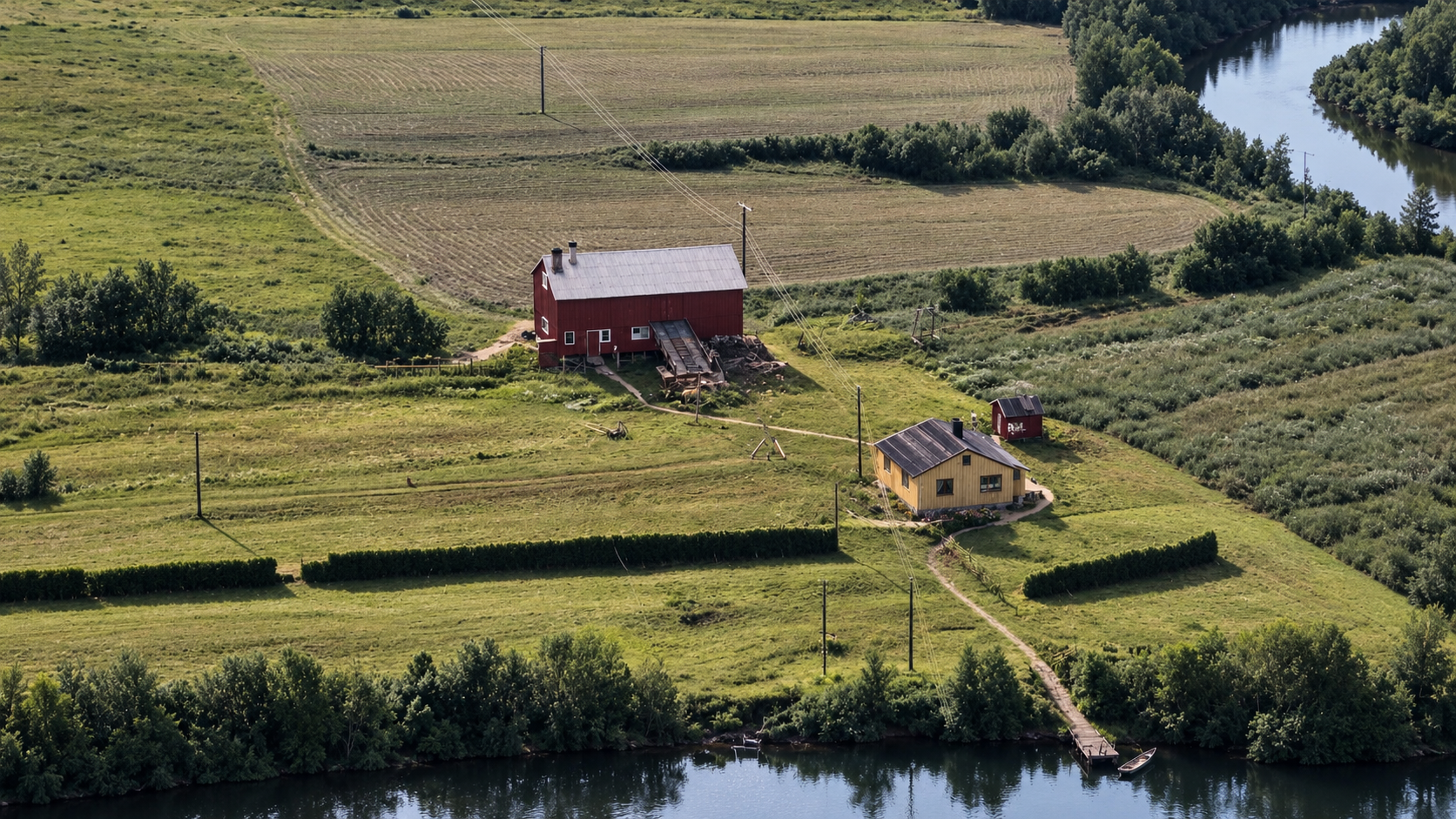
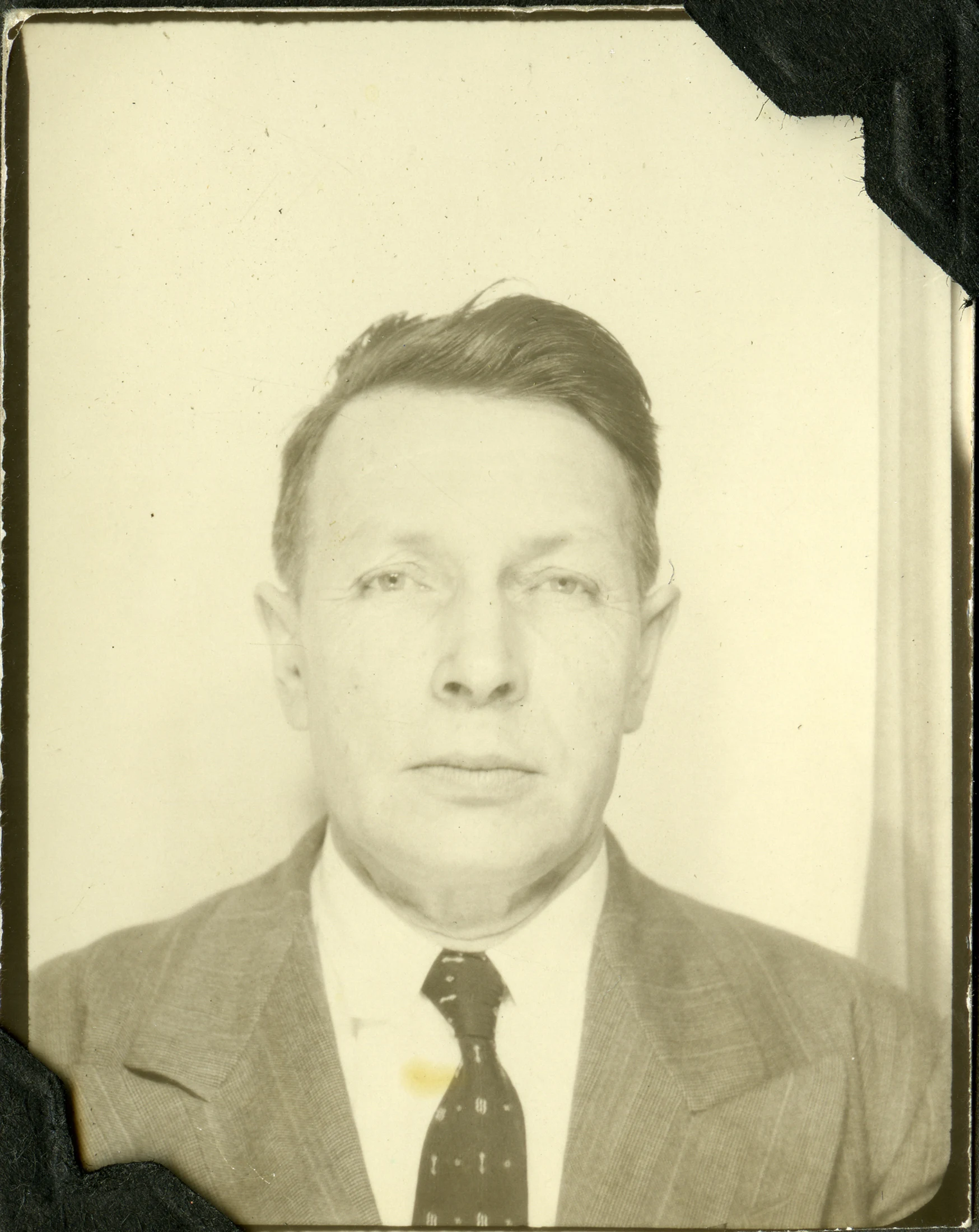
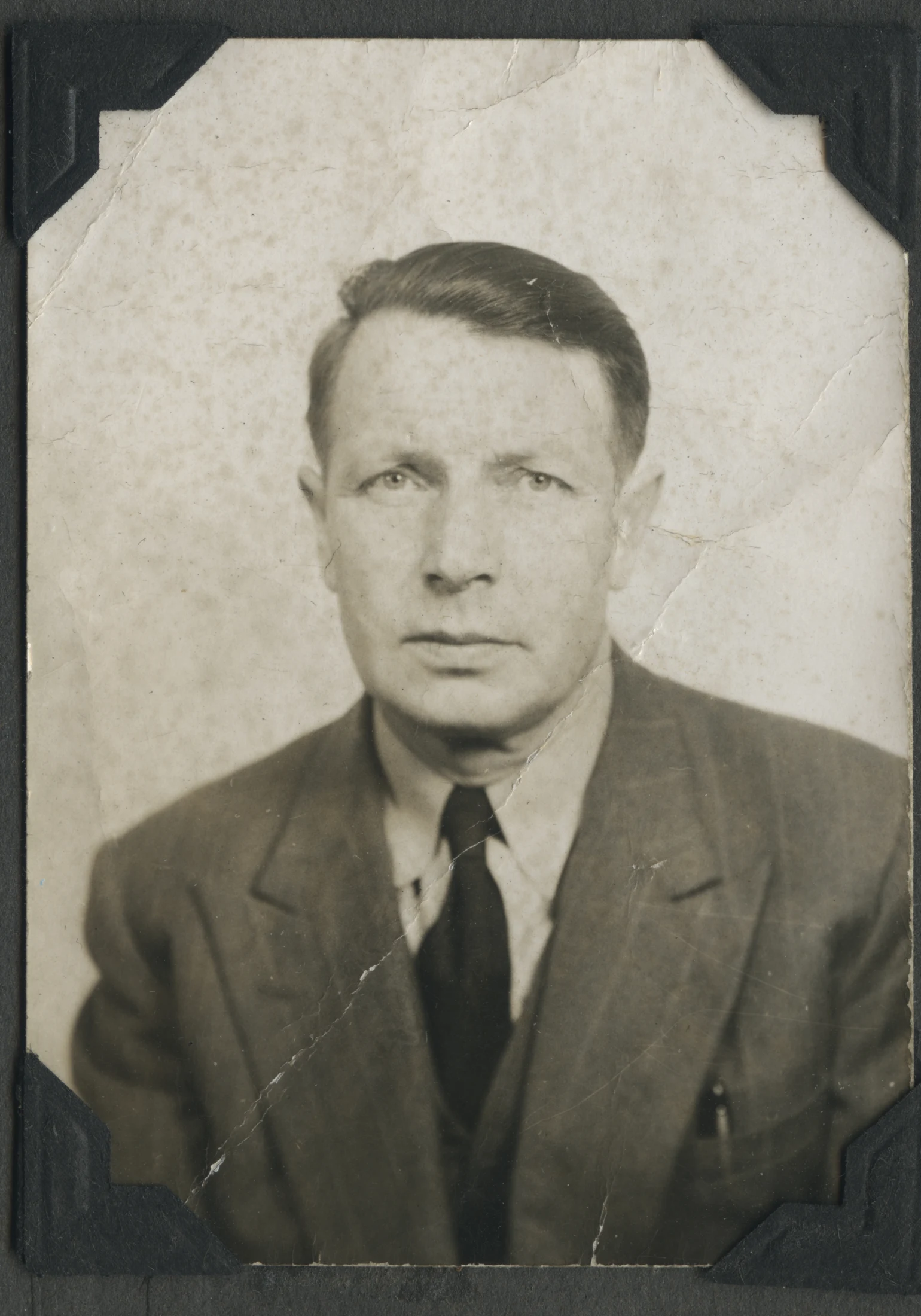
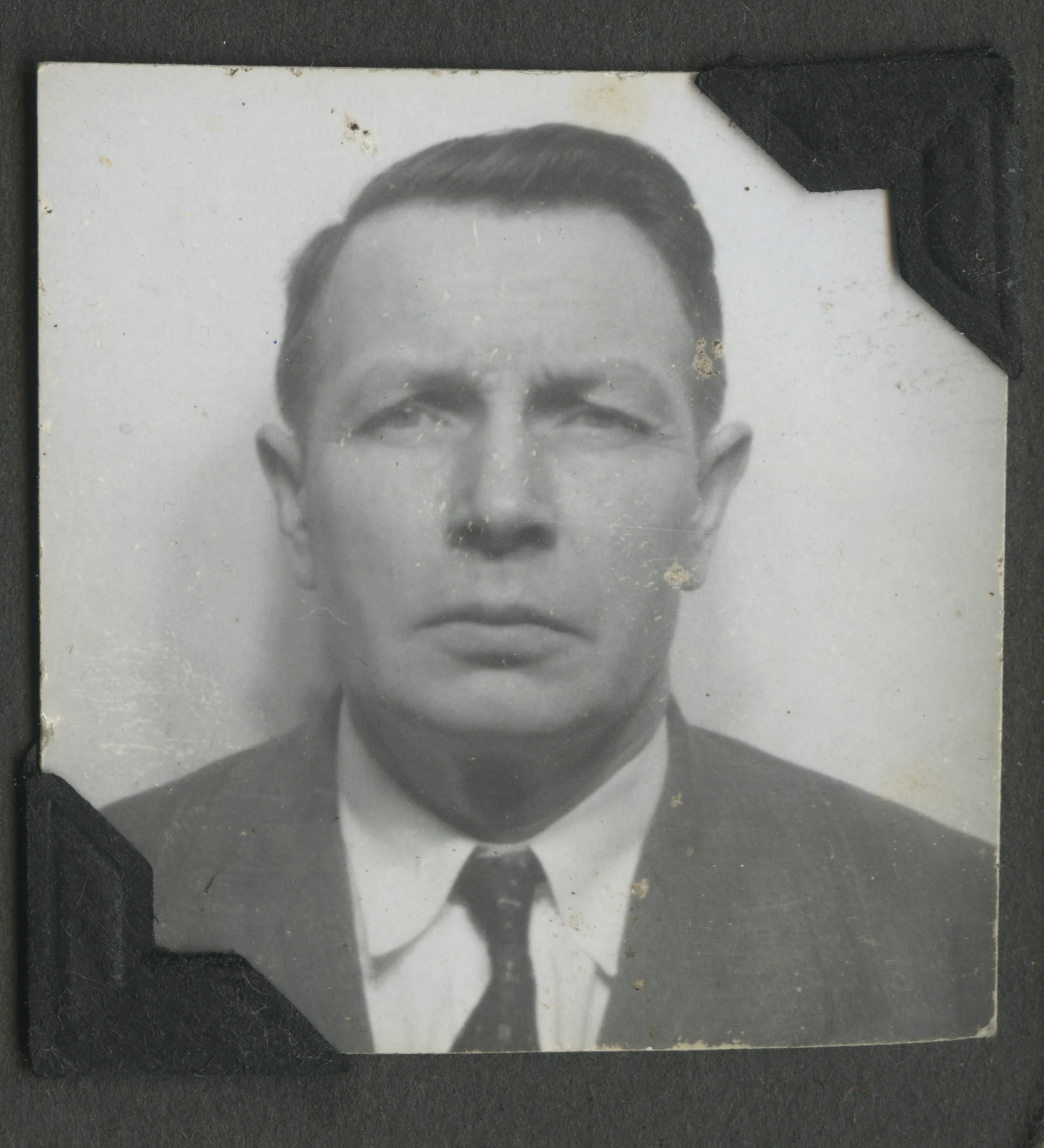
The family album
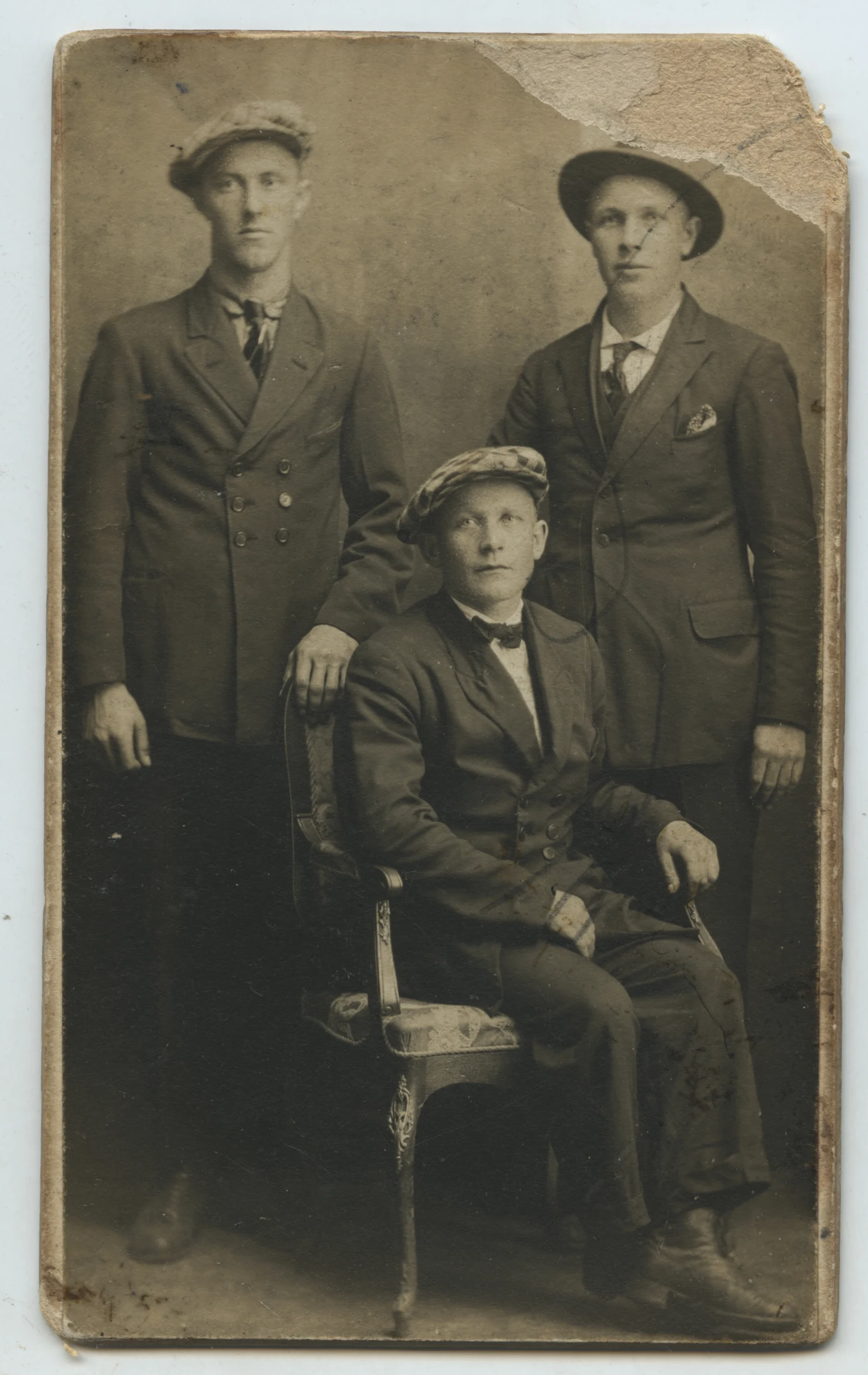
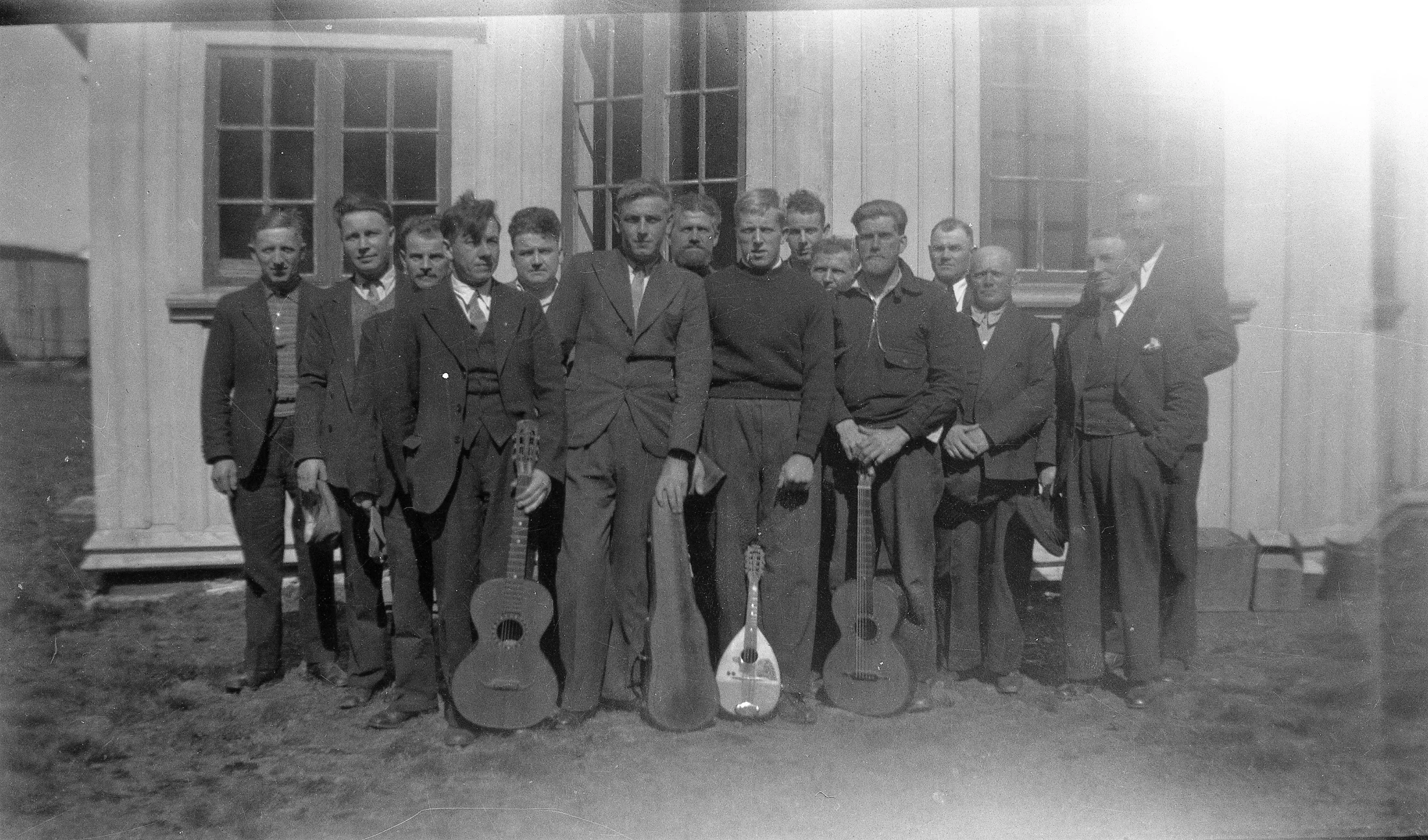
Portraits, working days at sea and family life in Norway and America. Dates and identifications follow the surviving records and family memories; uncertain details remain open. Move a slider to compare the original with its color restoration, or enlarge a photograph to look closer.
Records of a working life
A selection from the papers Hans kept: recommendations, a record of moving south, recognition for a useful idea and the close of his working years. Norwegian documents have English translations below their scans.
 Enlarge document
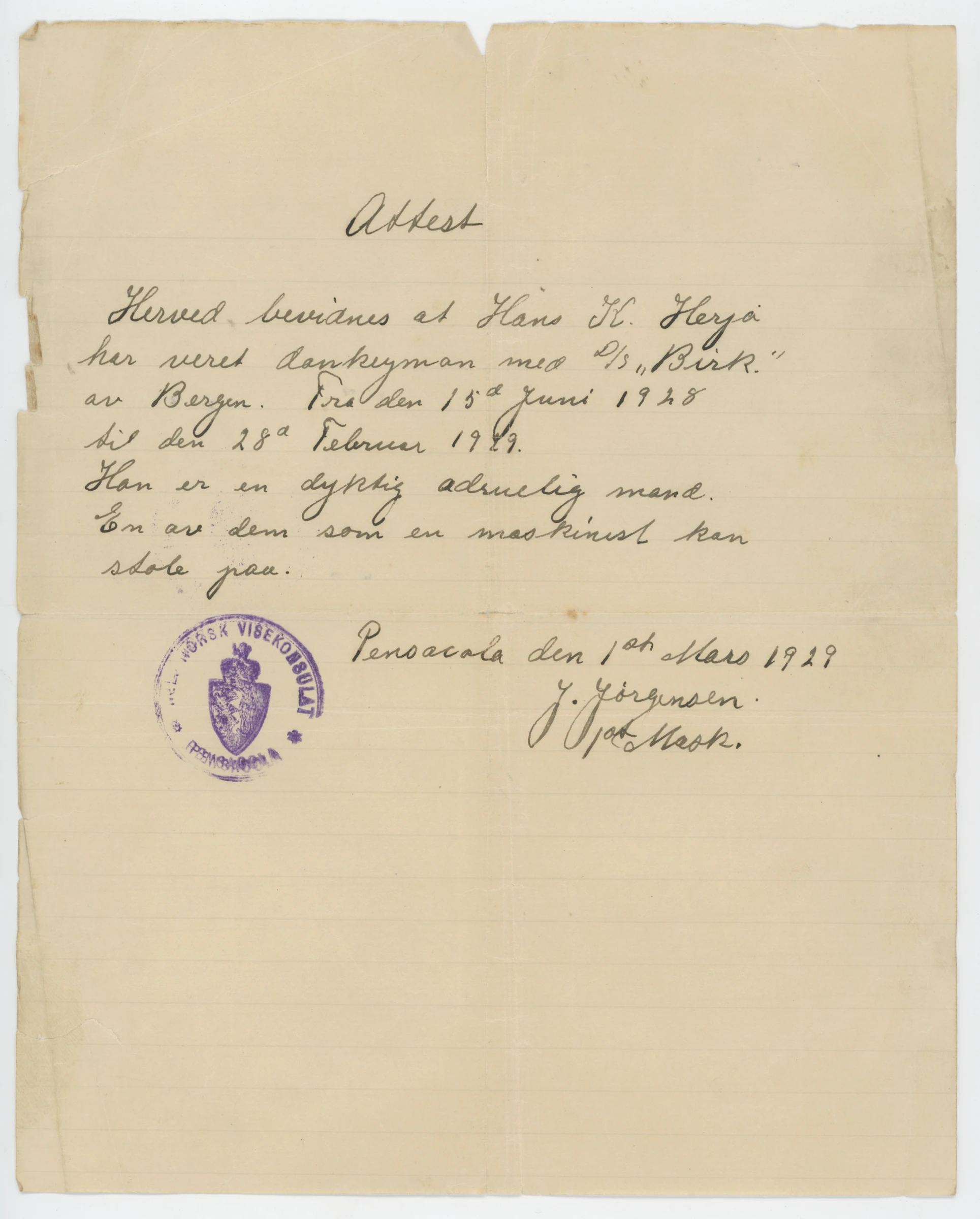
Certificate. This certifies that Hans K. Harjo has served as donkeyman aboard S/S Birk of Bergen from June 15, 1928 to February 28, 1929. He is a capable, sober man—one an engineer can rely on.
Pensacola, March 1, 1929. J. Jørgensen, first engineer. Stamp: Royal Norwegian Vice-Consulate, Pensacola.
 Enlarge document
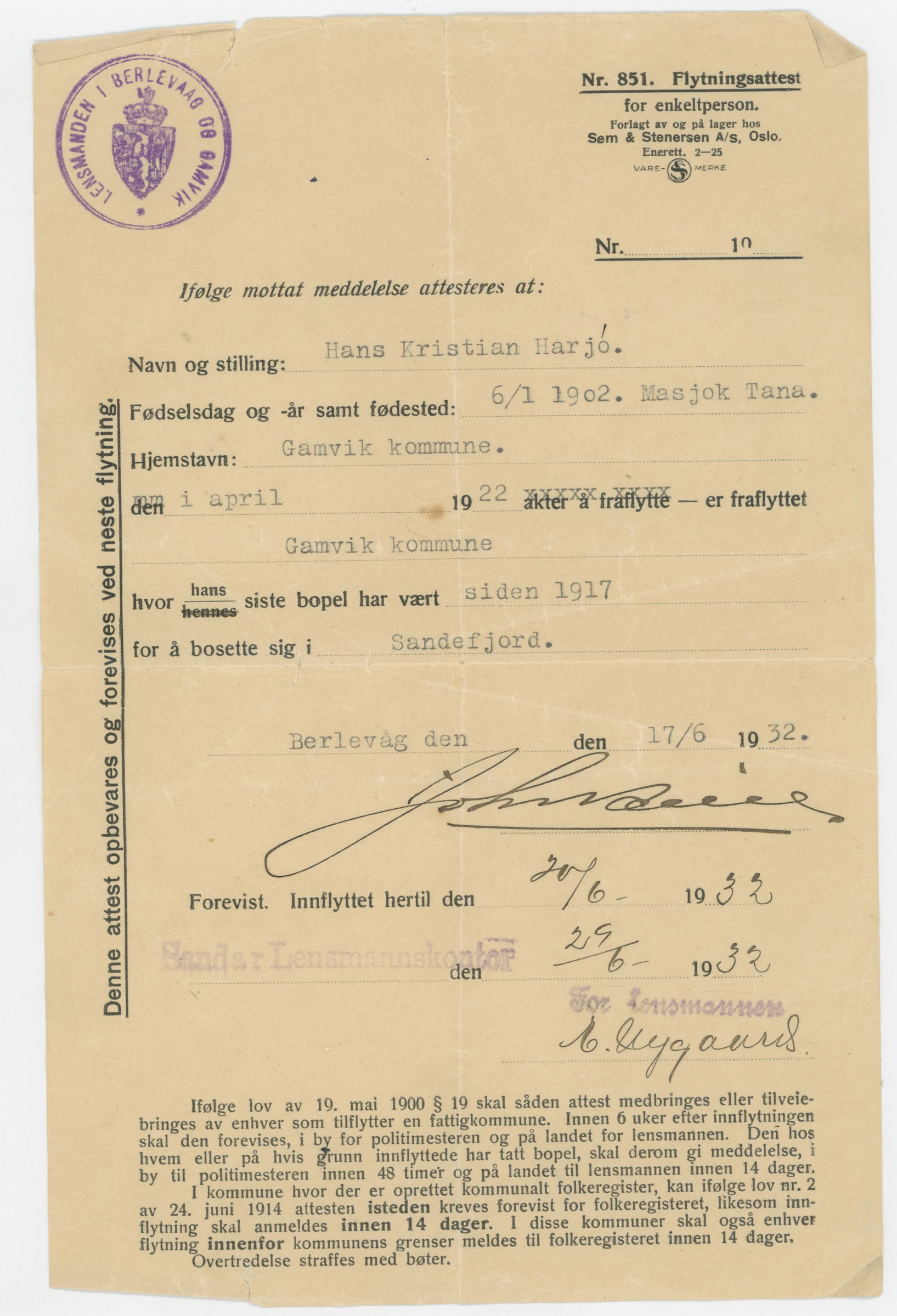
Relocation certificate for an individual. According to notification received: Hans Kristian Harjø, born January 6, 1902 in Masjok, Tana; home municipality Gamvik. He left Gamvik municipality in April 1922, where his last residence had been since 1917, to settle in Sandefjord.
Issued in Berlevåg, June 17, 1932, by the local police authority for Berlevåg and Gamvik. Endorsement: presented; moved here June 20, 1932. Sandar local police office, June 29, 1932. Signatures are not confidently read.
Printed instructions: this certificate must be kept and presented upon a subsequent move. Under section 19 of the law of May 19, 1900, it must accompany anyone moving into a poor-relief municipality and be presented within six weeks to the police in a town or the local police officer in a rural district. A person providing accommodation must report it within 48 hours in a town or 14 days in a rural district. In municipalities with a population register under the law of July 24, 1914, it may instead be presented to that register, to which all moves must be reported within 14 days. Violations are punishable by fines.
Reading note: 1922 and 1932 are both present in the original. Neither has been silently corrected.
 Enlarge document
Certificate. Mr. Hans Kristian Harjø has worked on machinery and boiler fittings aboard S/S Harpon while laid up in Sandefjord, during the following periods:
Mr. Harjø is sober, reliable and a man who takes a very keen interest in his work. All work has been carried out very satisfactorily, and he is therefore given the highest recommendation.
Sandefjord, August 9, 1936. Signed by the chief engineer; the handwritten name is not confidently transcribed. Letterhead: Compañía Argentina de Pesca, S/S Harpon, Buenos Aires.
 Enlarge document
To whom it may concern.
Mr. Hans Chr. Harjö, born 6/1-1902, norwegian subject, has been employed in the Machine Shop Repair dept. in our yard for about eight years.
Mr. Harjö has been employed with ship engines and motors. He is a capable and worthy man and during his stay here he has executed his work to our full satisfaction.
We will give him our best recommendation.
For A/S Framnæs Mek. Værksted, Arnt Wegger. January 30, 1953.
 Enlarge document
 Enlarge document
Dear Hans:
I am pleased to notify you that the Suggestion Committee has awarded you $35.00 for your fine suggestion regarding the elimination of chip clogging.
Congratulations on your first award.
If you will stop by Charlie Tibbetts’ office, he will have a check for you.
Sincerely, [signed John], Vice President & Secretary. Earle M. Jorgensen Co., June 22, 1967.
 Enlarge document
Employer: Earle M. Jorgensen Co., Isaacson Division. Employee: Hans K. Harjo. Position: machinist. Hired: January 16, 1960. Termination: December 30, 1970. Reason: Retirement. Employment status: “Desire to re-employ” checked.
The family clarified the faint handwritten employment dates. The image preserves the original carbon copy.
 Enlarge document
We, Olav V, King of Norway, announce that We have awarded the War Medal to Hans Kristian Harjø for services to the Fatherland during the war of 1940–1945.
Oslo, October 3, 1979. Olav R. Two countersignatures appear below.
The certificate is dated October 3, 1979; the older service-register extract records March 18, 1980. Their relationship remains unresolved. No particular act is specified on this certificate.
English translations are modern reading aids made from these scans. The originals remain available above. Hans’s personal correspondence has its own Letters page with scans, Norwegian transcriptions and English translations.
Family moments, remembered lives and news from the places they called home. Open a clipping to read more. Explore the whole family’s newspaper collection.
English summary
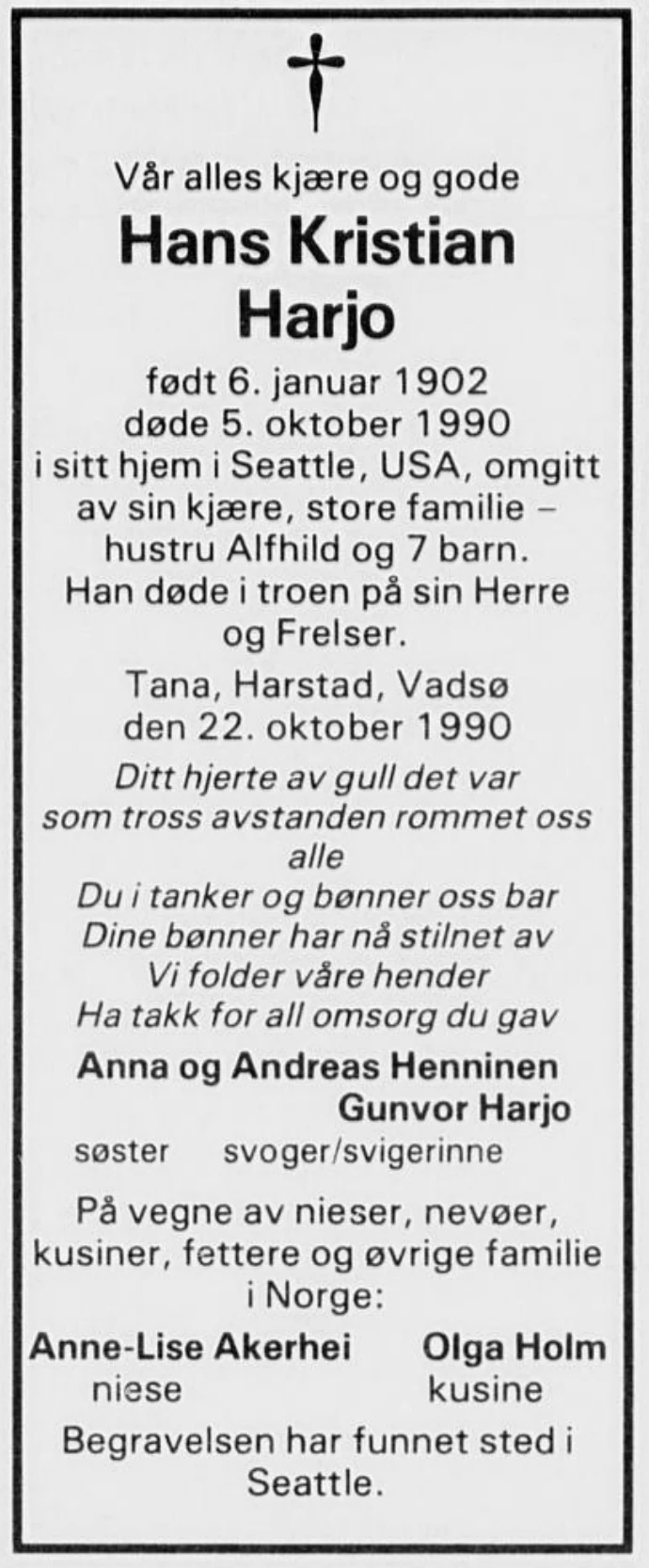
The family in Norway remembered Hans after his death at home in Seattle on October 5, 1990, with Alfhild and their seven children around him. Anna and Andreas Henninen, Gunvor Harjo, Anne-Lise Akerhei and Olga Holm are named in this farewell from relatives in Tana, Harstad and Vadsø. His funeral had already taken place in Seattle.
Our dear and kind
Hans Kristian Harjo,
beloved by us all,
born January 6, 1902,
died October 5, 1990,
at his home in Seattle, USA, surrounded by his dear, large family—his wife Alfhild and seven children.
He died in faith in his Lord and Savior.
Tana, Harstad, Vadsø,
October 22, 1990
Yours was a heart of gold,
which, despite the distance, held us all.
You carried us in your thoughts and prayers.
Your prayers have now fallen silent.
We fold our hands.
Thank you for all the care you gave.
Anna and Andreas Henninen
Gunvor Harjo
Sister, brother-in-law and sister-in-law
On behalf of nieces, nephews, cousins and the rest of the family in Norway:
Anne-Lise Akerhei, niece
Olga Holm, cousin
The funeral has taken place in Seattle.
English summary
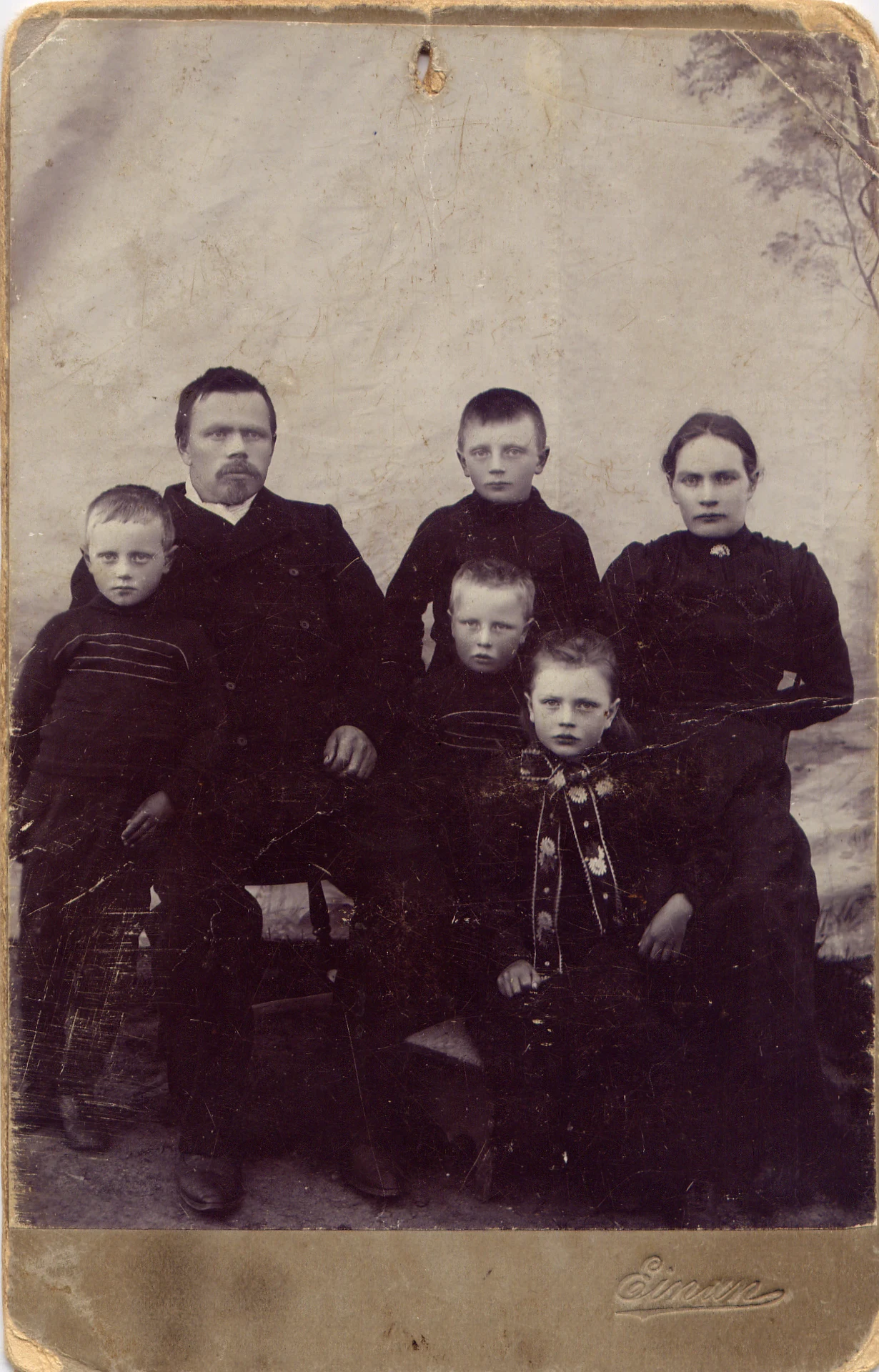
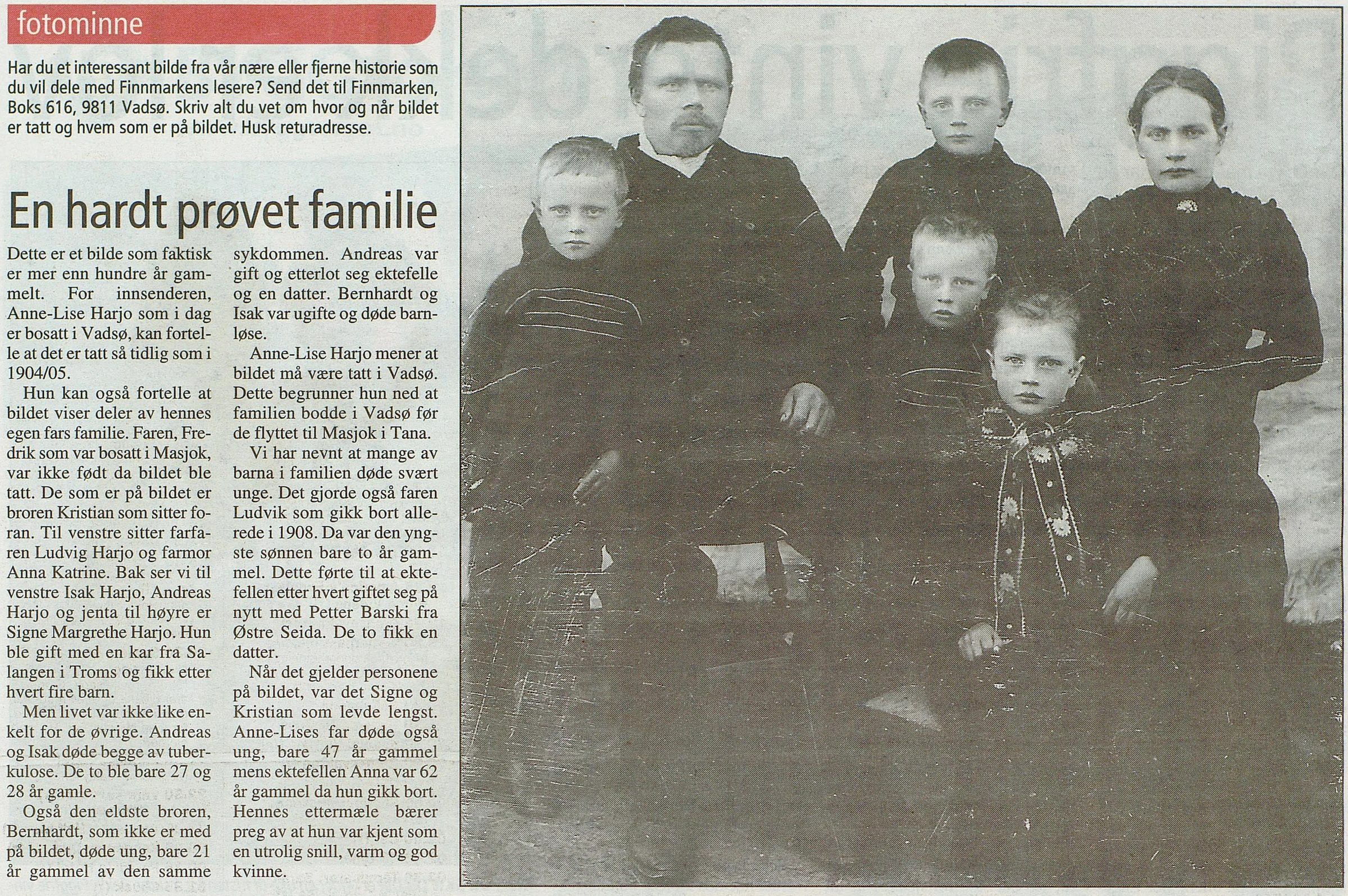
Anne-Lise Harjo shares a family photograph she dates to 1904–05, probably taken in Vadsø before the move to Masjok. It shows her grandparents Ludvig and Anna with some of their children; her father Fredrik had not yet been born. She recalls the family’s losses to tuberculosis, Ludvig’s death in 1908, and Anna’s later marriage to Petter Barski of Østre Seida, with whom she had a daughter. Signe and Kristian were the longest-lived of the children pictured. Anna is remembered for her kindness and warmth.
Photo memory
Do you have an interesting photograph from our recent or distant history that you would like to share with Finnmarken’s readers? Send it to Finnmarken, P.O. Box 616, 9811 Vadsø. Write down everything you know about where and when the picture was taken and who is in it. Remember to include a return address.
A family sorely tried
This photograph is actually more than a hundred years old. Its contributor, Anne-Lise Harjo, who now lives in Vadsø, tells us that it was taken as early as 1904–05.
She also tells us that it shows members of her own father’s family. Her father, Fredrik, who lived in Masjok, had not been born when the photograph was taken. Among those pictured is his brother Kristian, seated at the front. On the left sits her grandfather Ludvig Harjo, with her grandmother Anna Katrine. At the back, on the left, we see Isak Harjo and Andreas Harjo, while the girl on the right is Signe Margrethe Harjo. She married a man from Salangen in Troms and eventually had four children.
But life was not as easy for the others. Andreas and Isak both died of tuberculosis. They were only twenty-seven and twenty-eight years old.
The eldest brother, Bernhardt, who is not in the photograph, also died young, at only twenty-one, of the same disease. Andreas was married and left a wife and a daughter. Bernhardt and Isak were unmarried and died without children.
Anne-Lise Harjo believes the photograph must have been taken in Vadsø. She bases this on the fact that the family lived in Vadsø before moving to Masjok in Tana.
We have mentioned that many of the children in the family died very young. So did their father Ludvik, who died as early as 1908. At that time, the youngest son was only two years old. His wife eventually remarried, to Petter Barski from Østre Seida. They had a daughter together.
Of the people in the photograph, Signe and Kristian lived the longest. Anne-Lise’s father also died young, at only forty-seven, while his wife Anna was sixty-two when she died. She is remembered as an incredibly kind, warm and good woman.
Translation note: The newspaper’s photograph identifications and ages are retained as printed. Its final paragraph mixes generations: Anna Katrine was Ludvig’s wife; Fredrik’s wife was Gunvor. The family’s updated identifications remain in the biographies.
This biography draws on the family archive, research assembled in September 2026 and the work papers reviewed in October 2026. Photograph identifications supplied by the family are labelled in captions. Colorized images are modern interpretations. Ship dates that rely on unverified register extracts are distinguished on the maritime page.
Open questions include his exact South Georgia arrivals and departures, residence during other winters, earliest voyages and naturalization date. Enquiries have been sent to Naomi at the Scott Polar Research Institute and Inger-Lise at Vestfoldarkivet. The SPRI catalogue identifies promising files, but those underlying documents have not yet been examined. See the outstanding archival leads.
Explore the family Hans and Karl grew up in, and follow their siblings’ stories.
Meet the brothers and sisters →A name, a small memory, or a correction can help us get to know our family better. Send it privately to Isaac, and choose whether it may be shared.
Share a memory or correctionFollow Alfhild from the Johnsen family in Norway to life with Hans and their children in America.