El Paso & Centralia · 1895–1913
A childhood surrounded by family and music
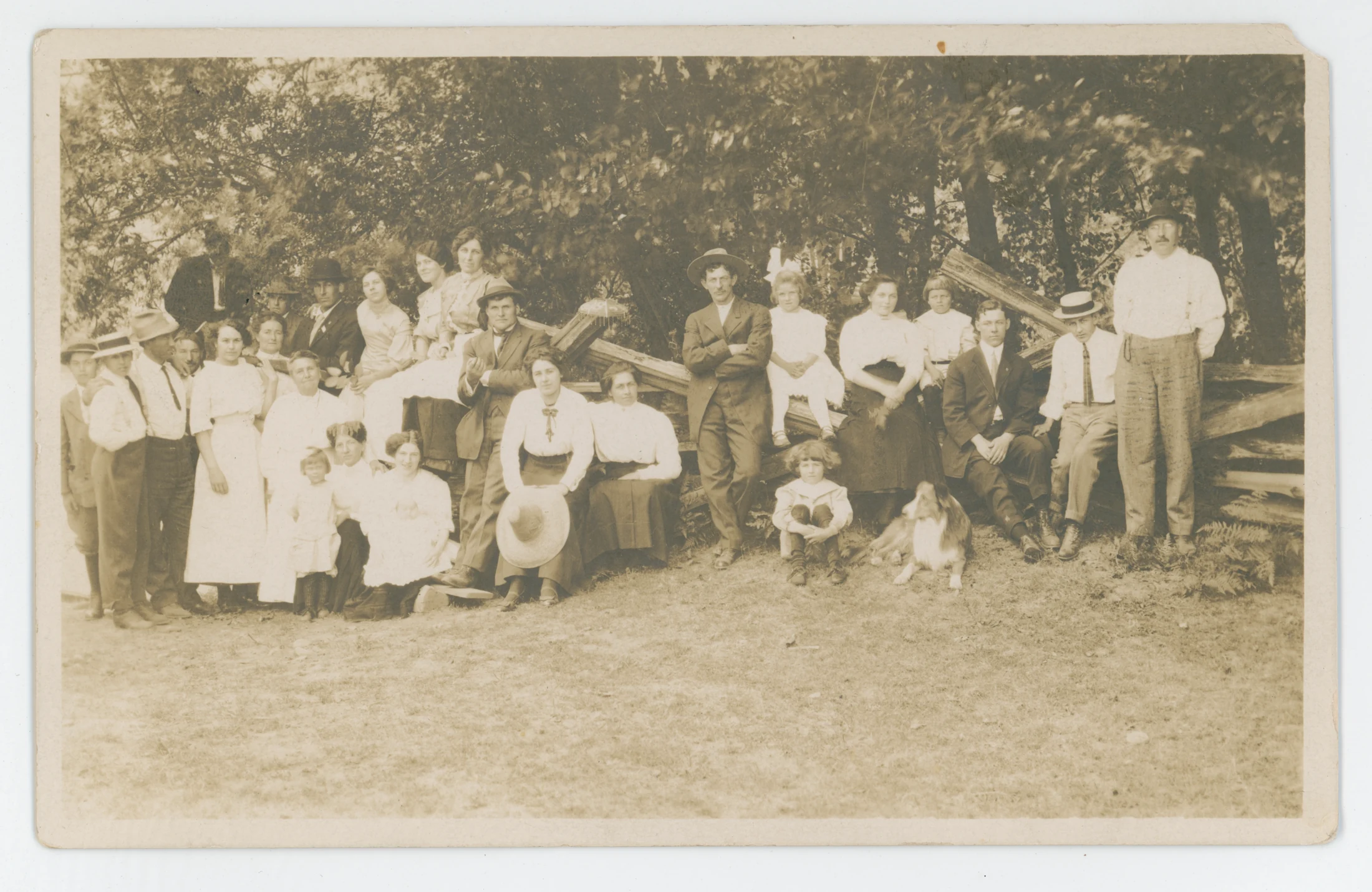
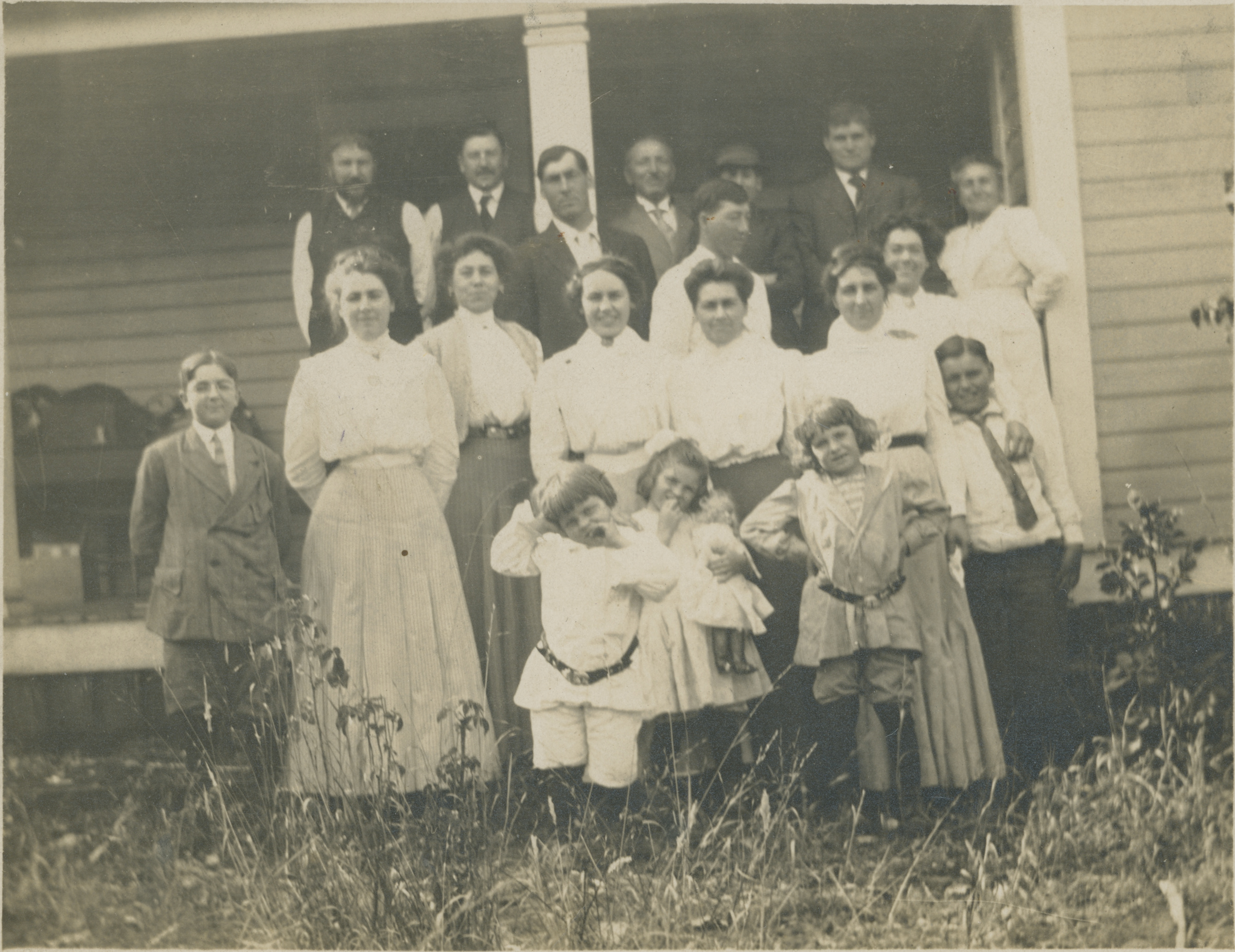
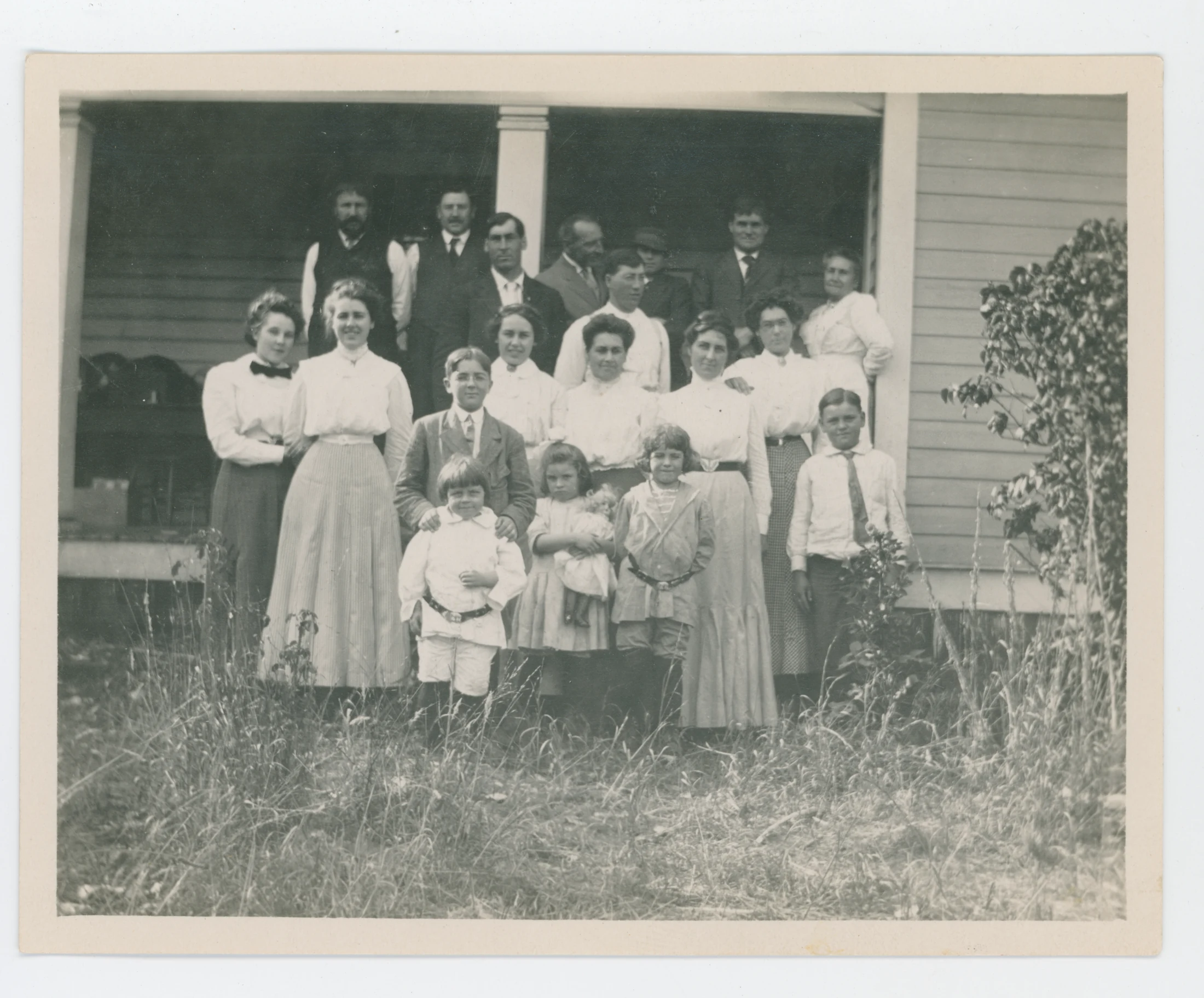
Leonora Pitzer was born in El Paso, Texas, on June 17, 1895, the daughter of Carl Pitzer and Selma Anna Hilpert. Her family also called her Lenora. She grew up with her sister Apolonia, usually known as Lona, and her brother Carl Jr. Through Selma, she belonged to the large family of David August and Magdalena Hilpert, whose farm beside the Skookumchuck River remained a gathering place for their children and grandchildren. [1]
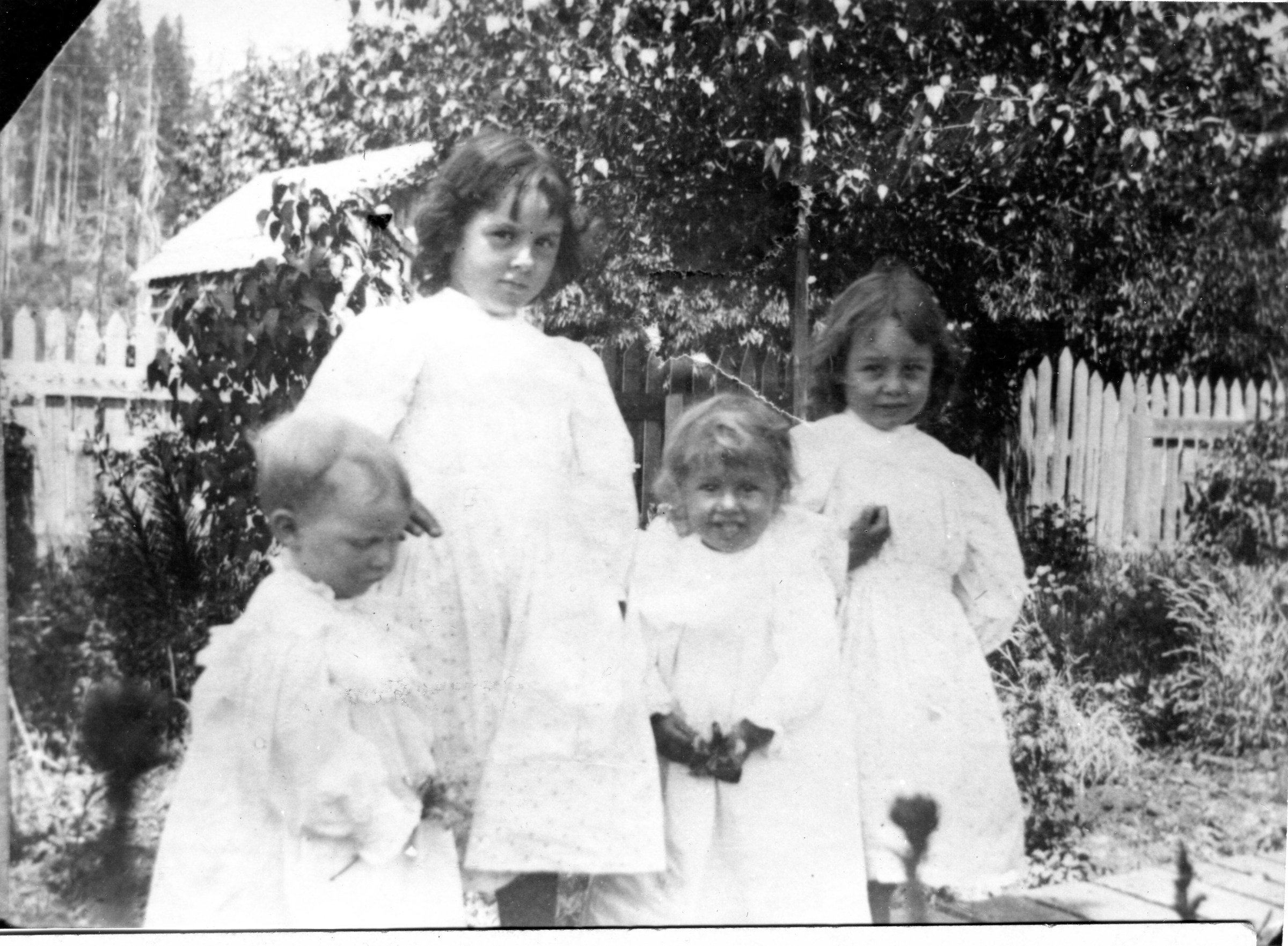
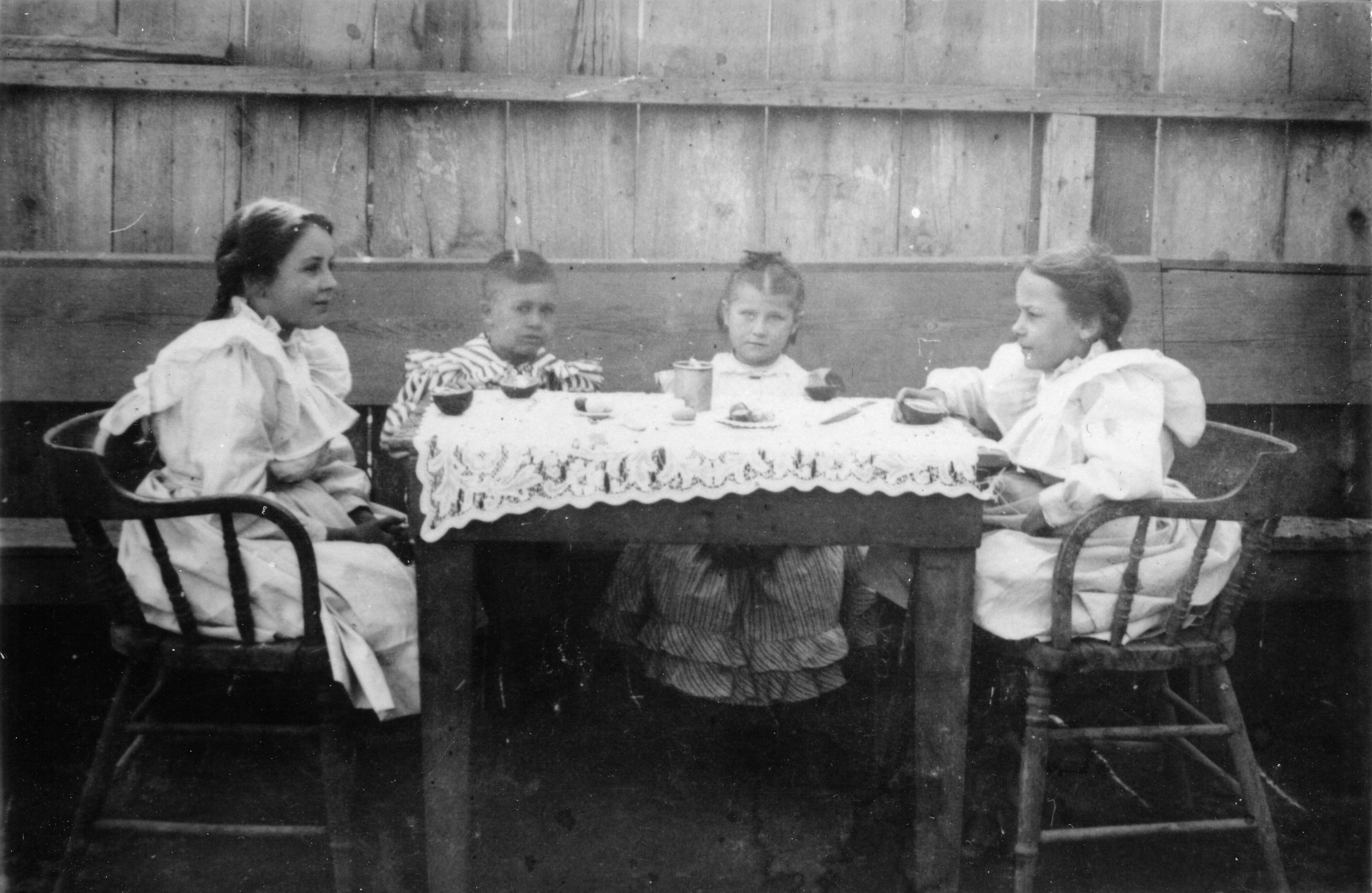
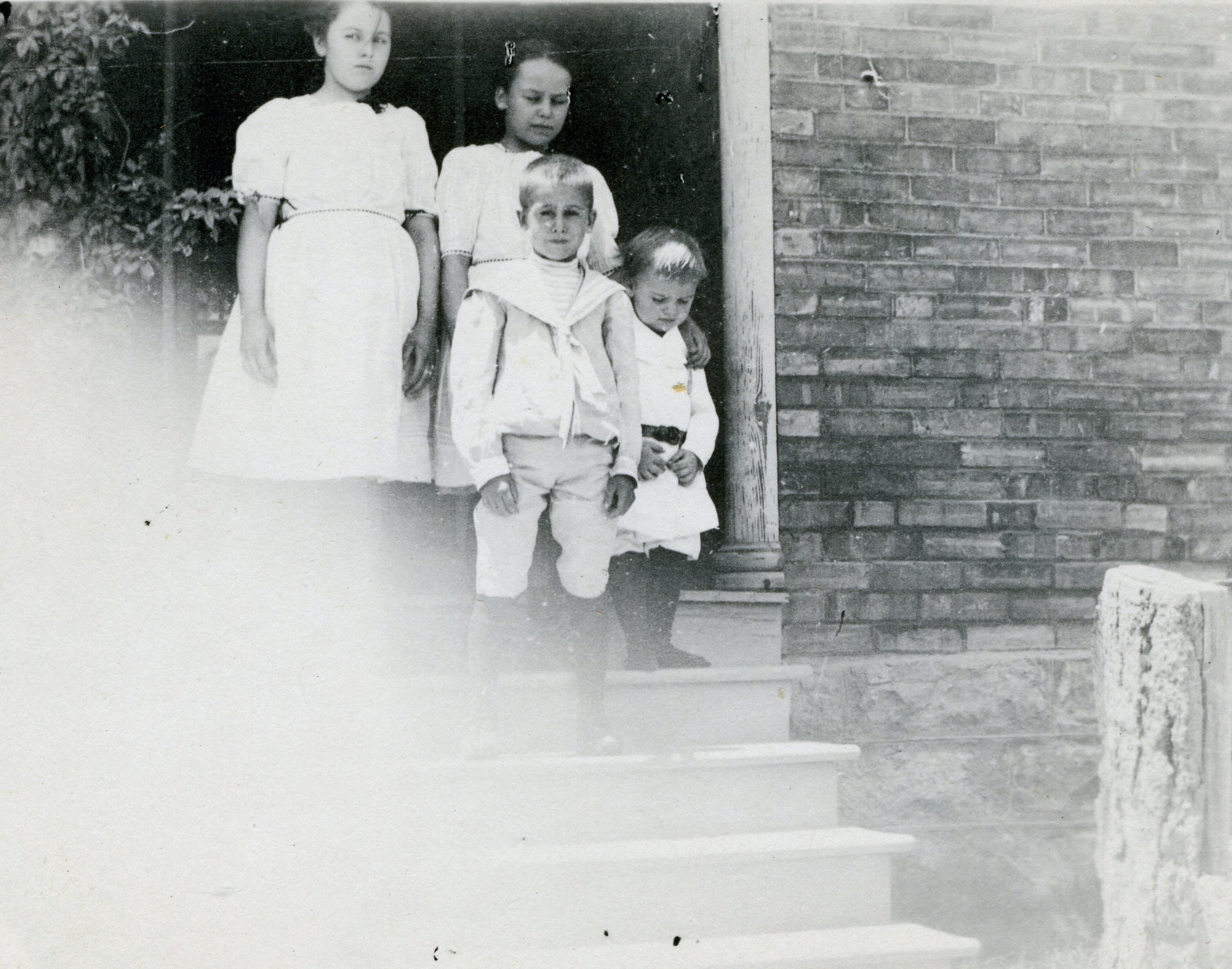
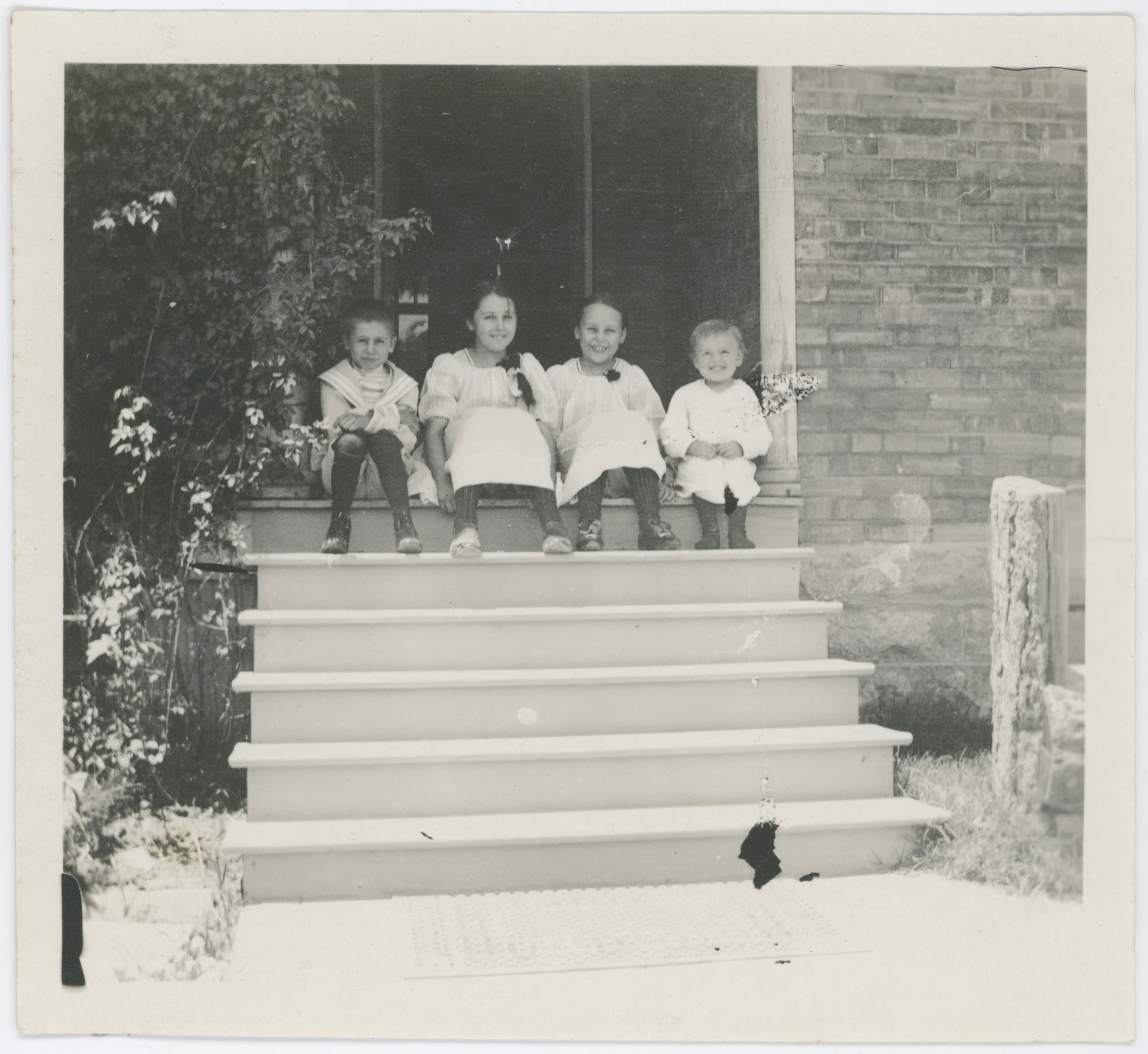
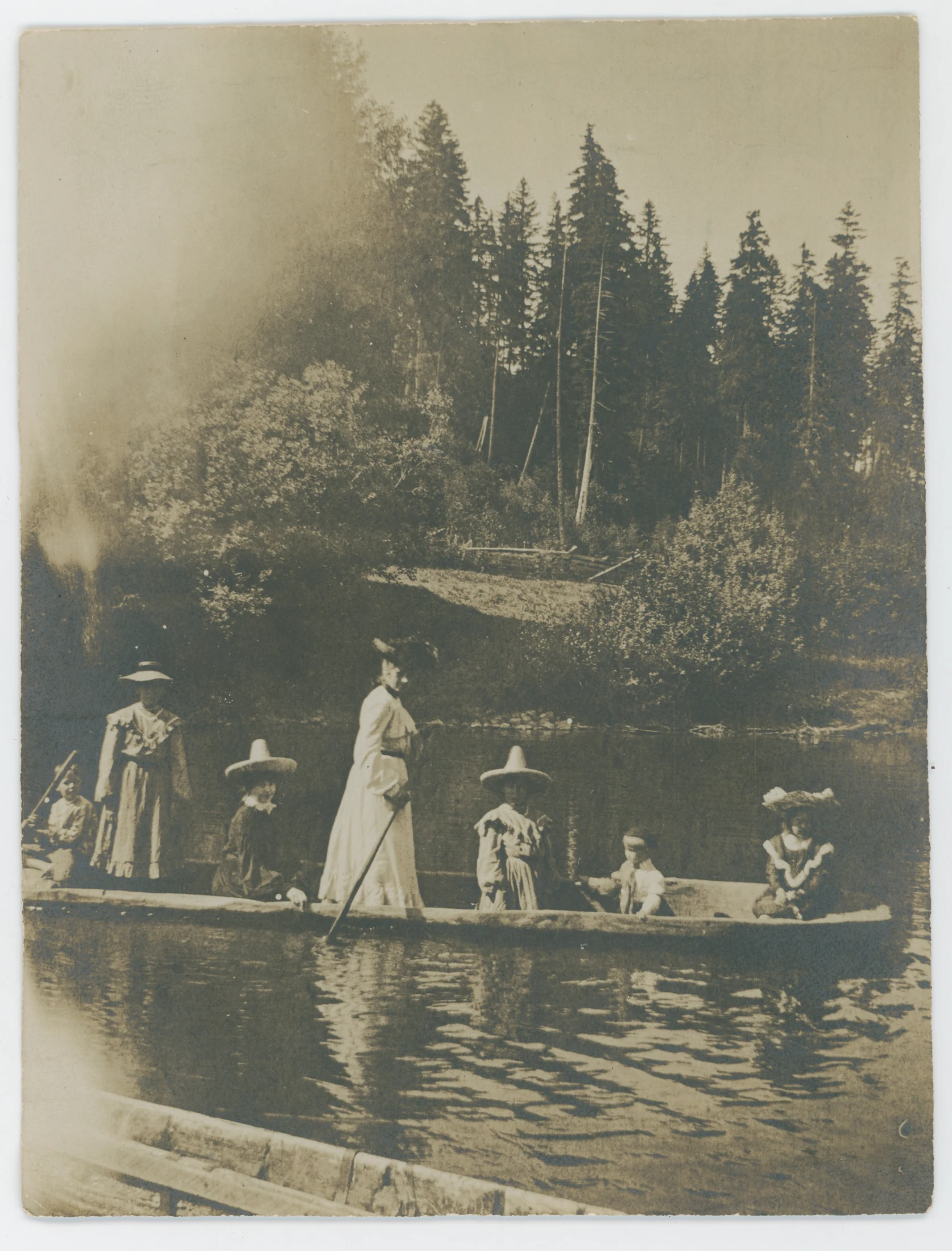
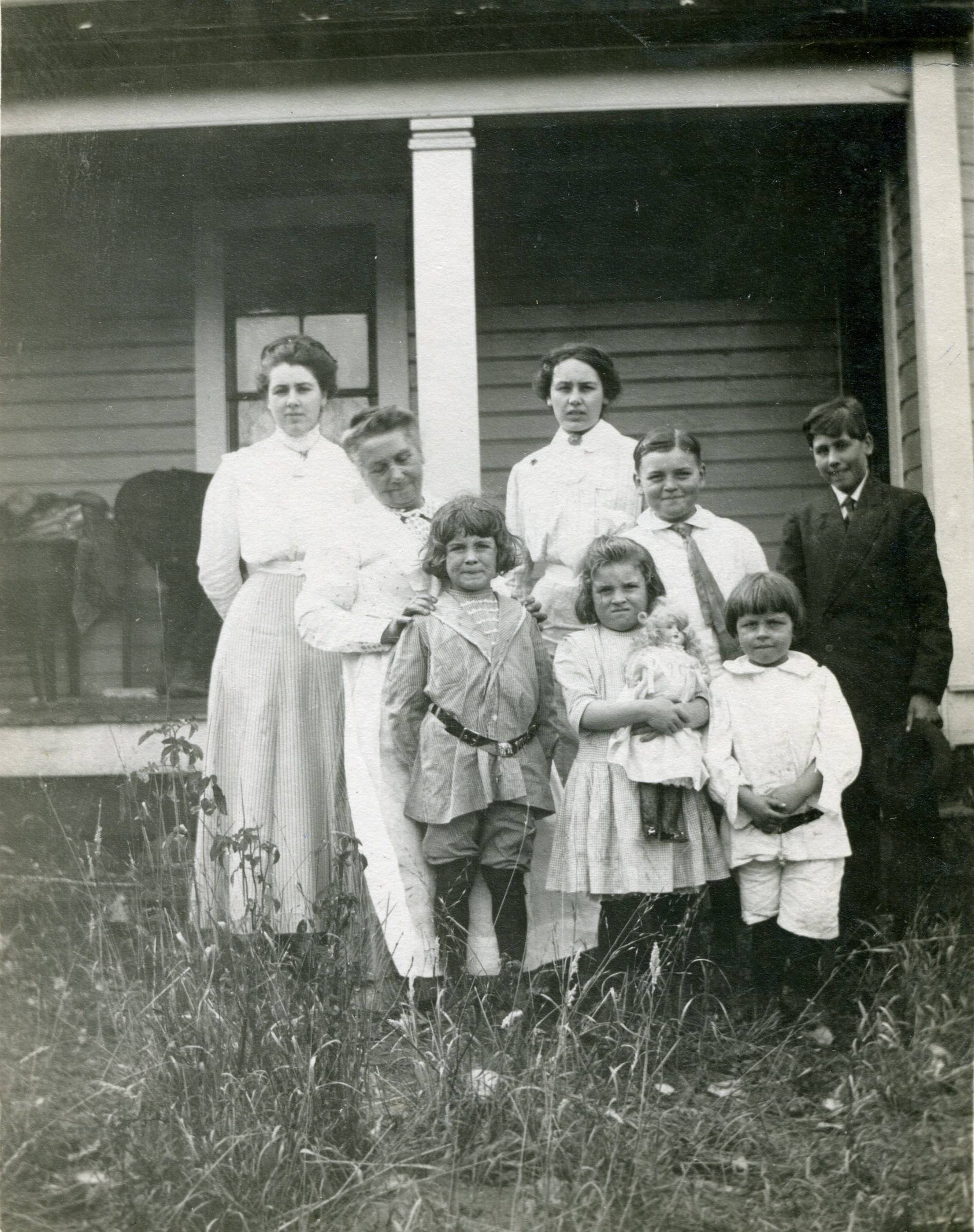
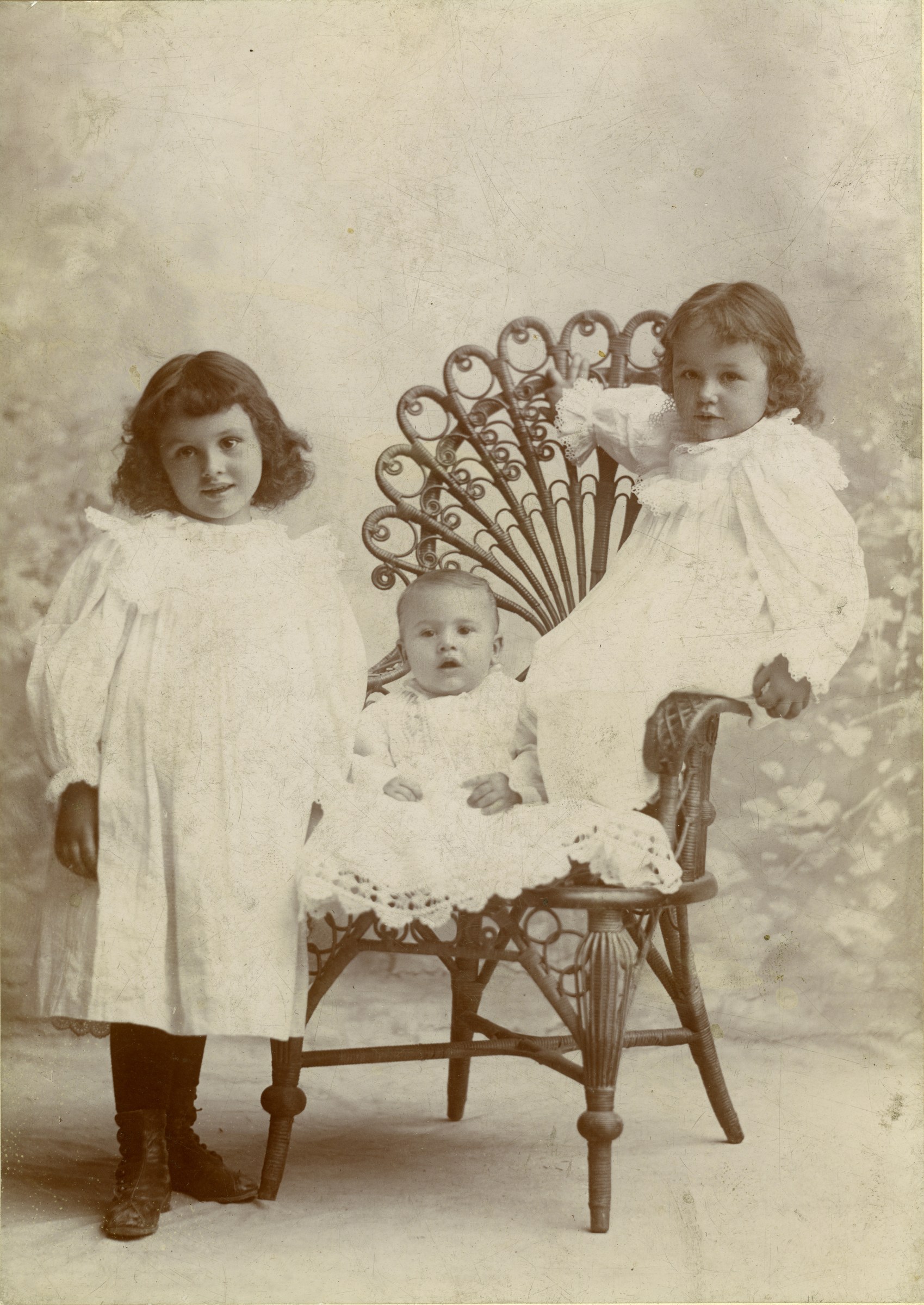
Her father was a musician and teacher. An El Paso newspaper advertised a park concert by Prof. Carl Pitzer’s orchestra in 1899; years later, Centralia newspapers described his work teaching music in the public schools. Leonora’s early photographs show the Pitzer children together in El Paso, at a little outdoor tea party, and with their Schaefer cousins on the Hilpert farm. Their lives brought the Texas and Washington branches of the family together. [1]
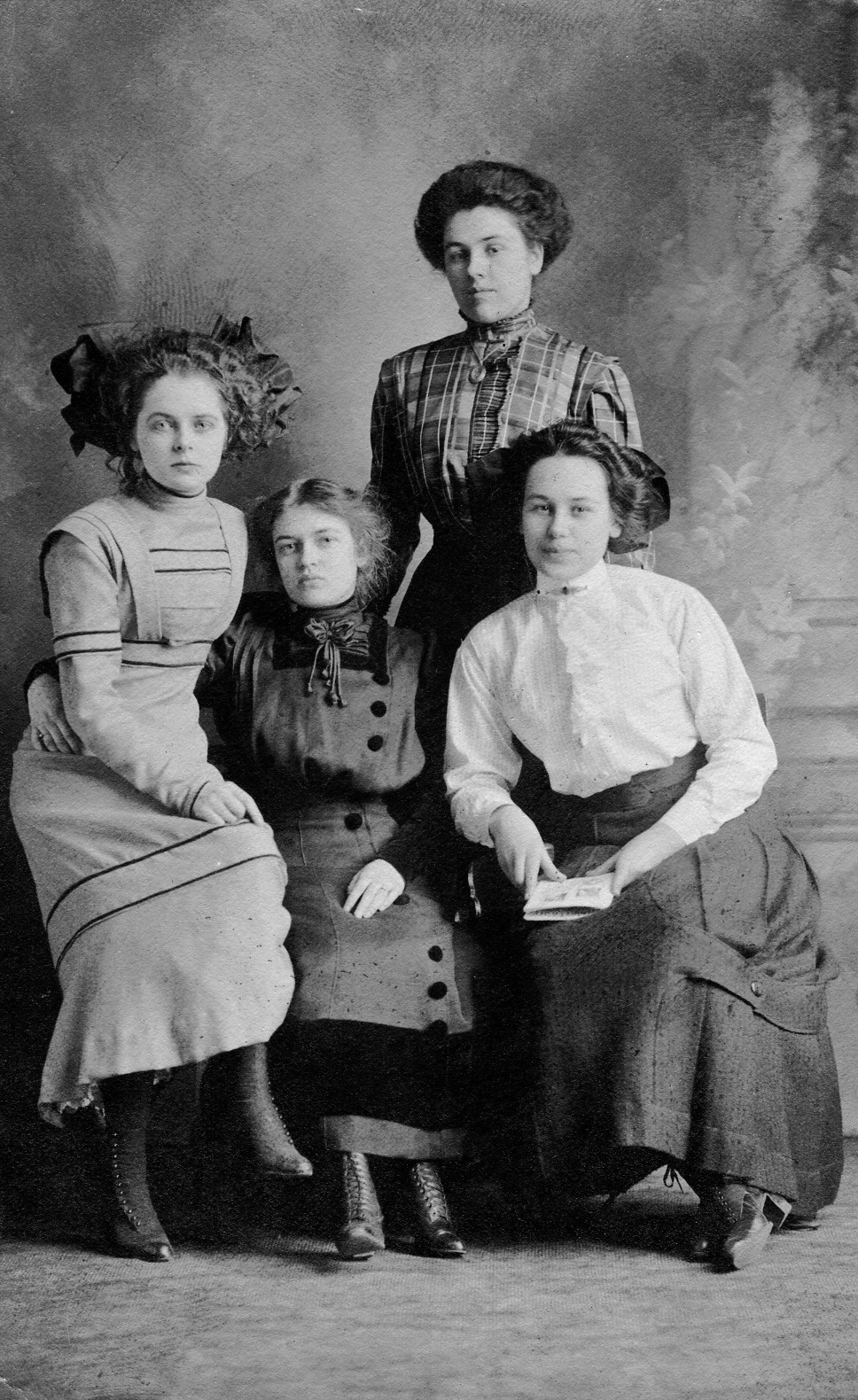
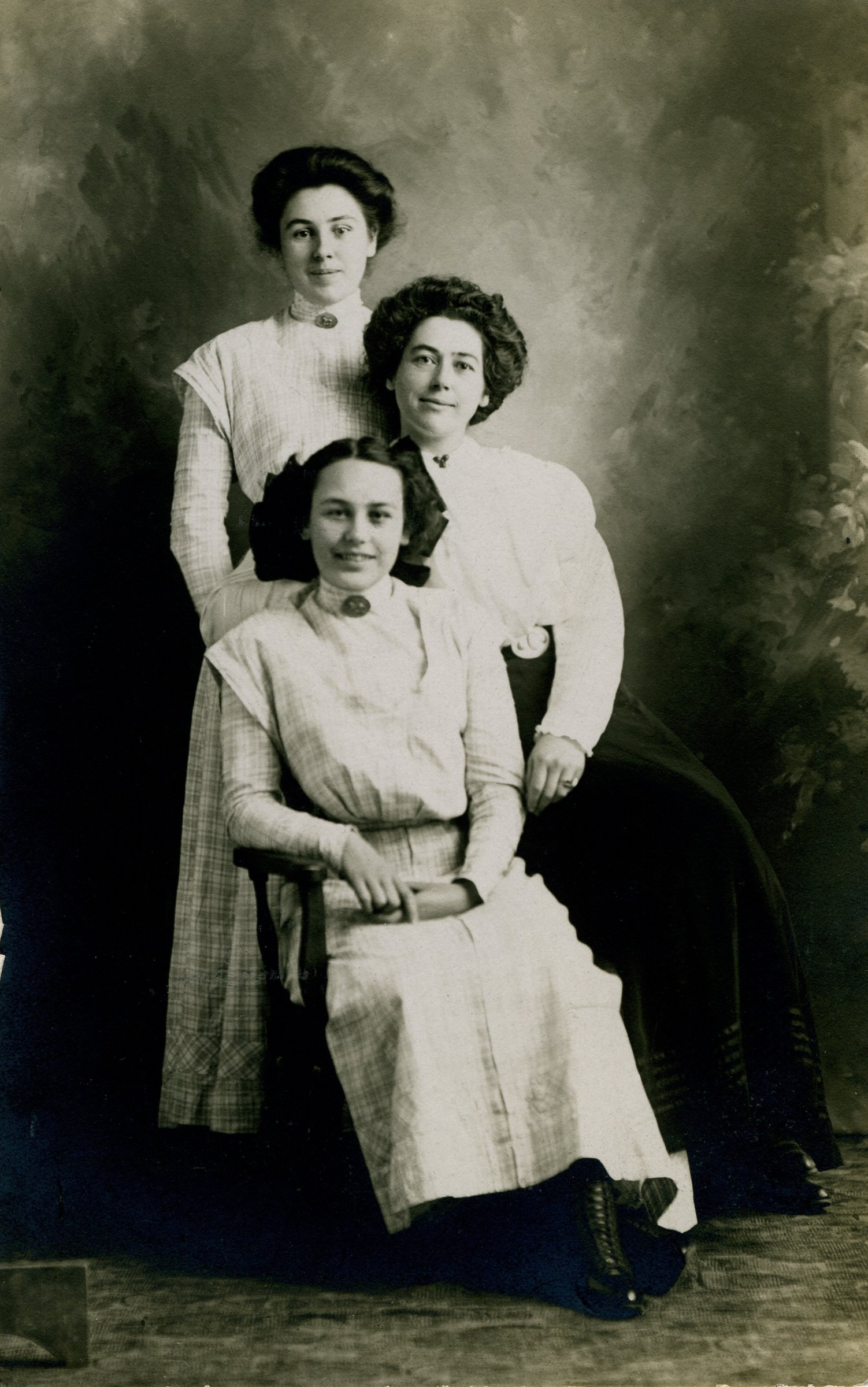
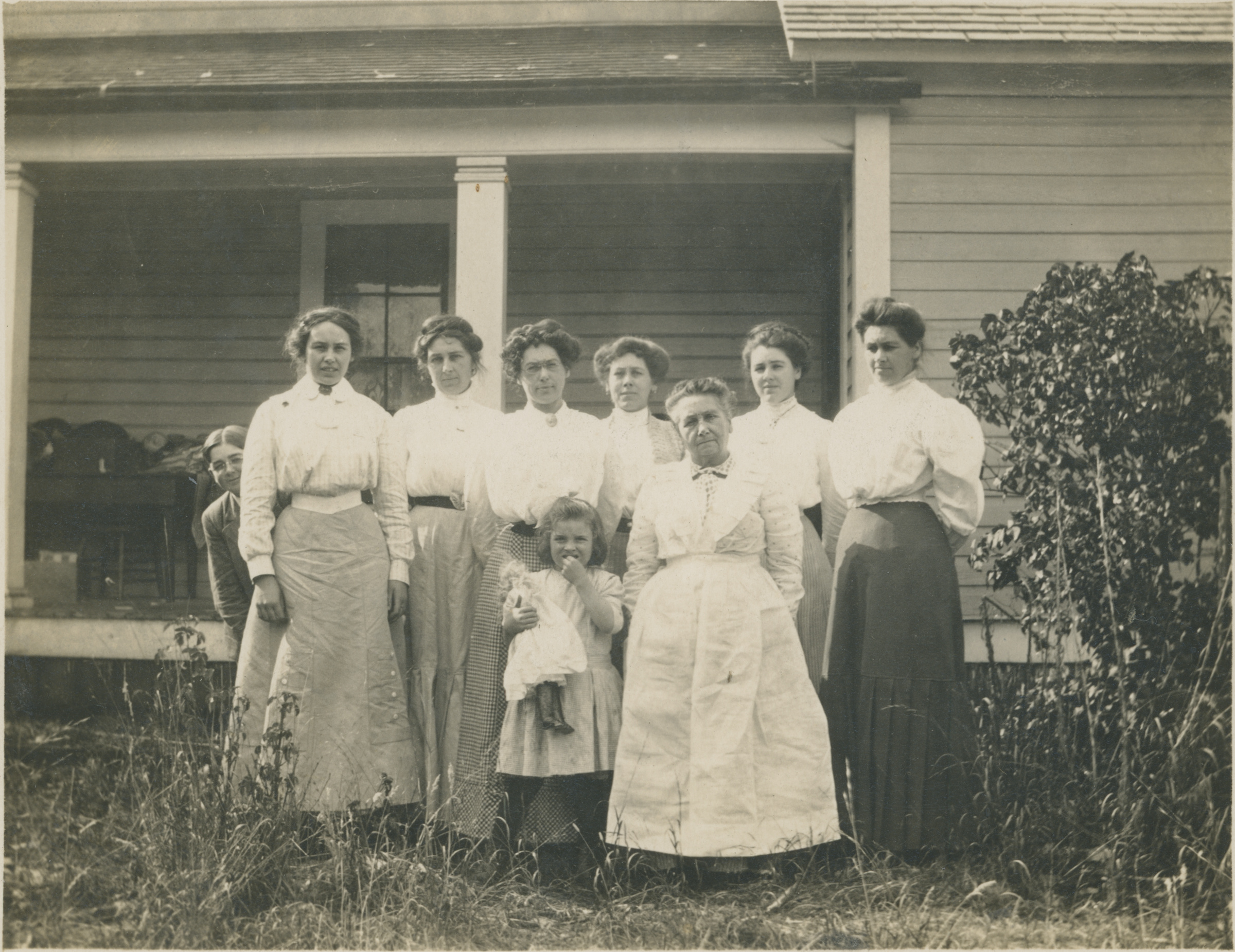
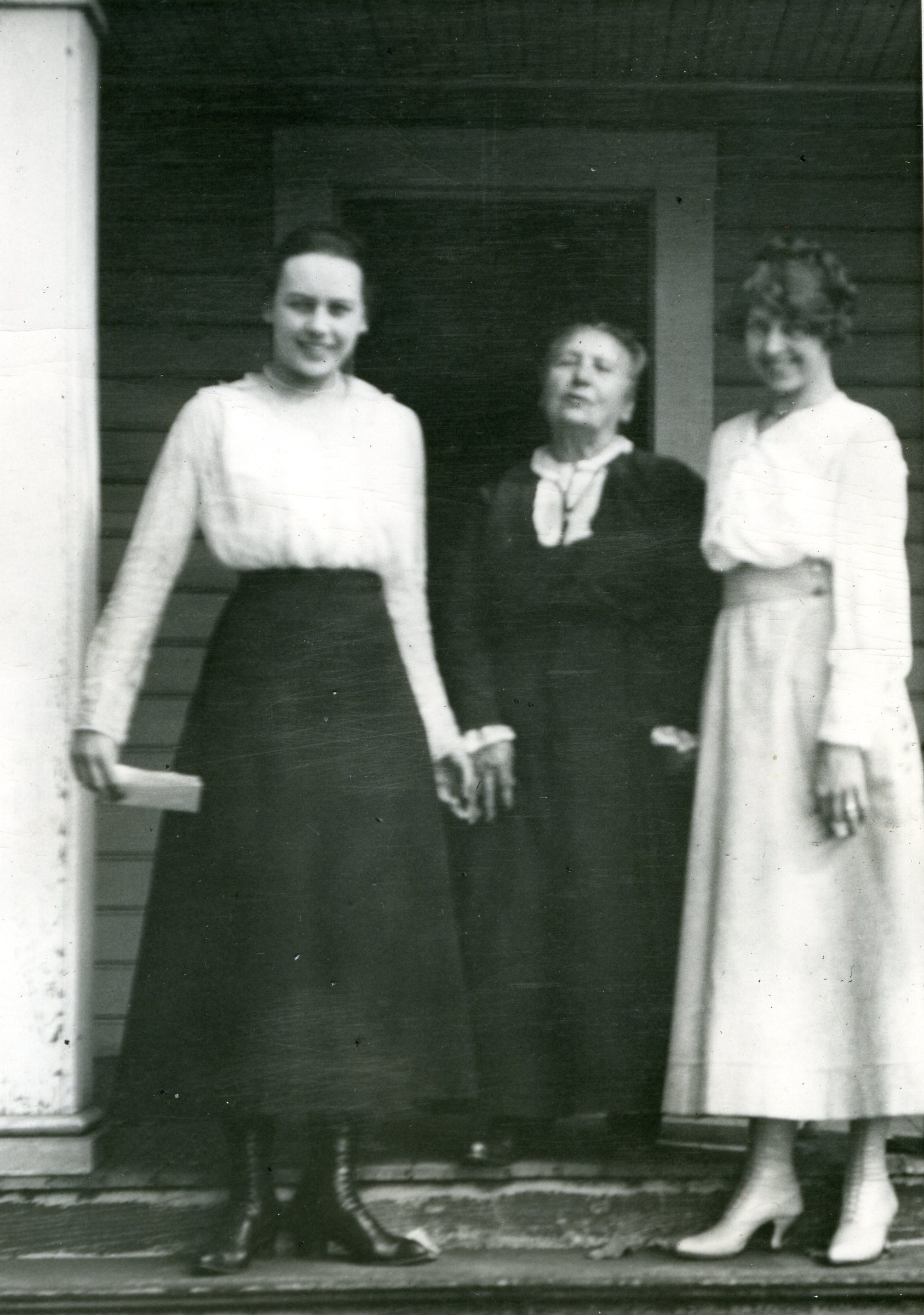
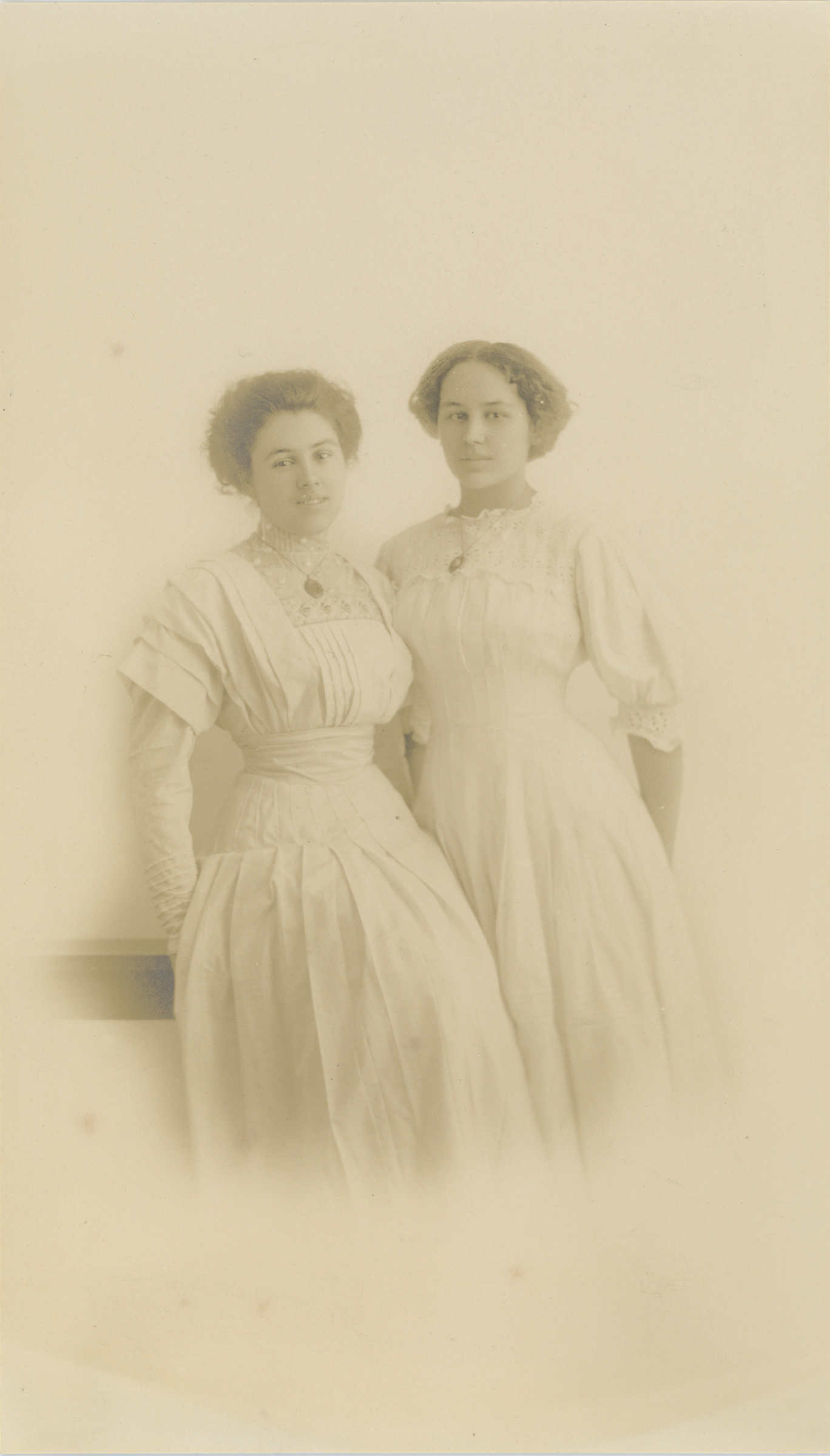
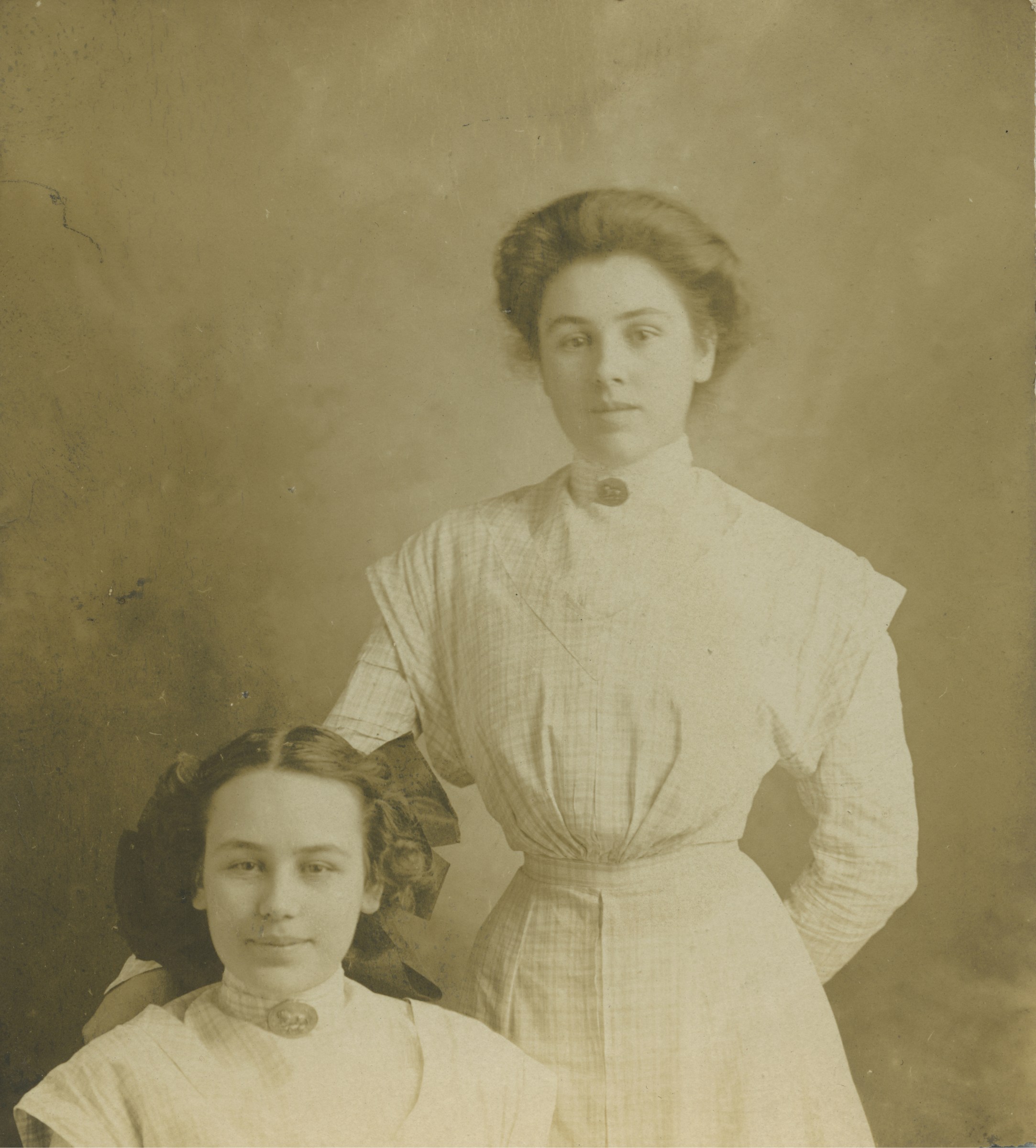
As Leonora grew older, photographs continued to place her among her siblings, cousins, grandmother and aunts. In one portrait she sits in front of her aunt Pauline, with Lona standing behind them. In another she and Lona pose together in pale high-necked dresses. The family photographs preserve both the formal portraits and the ordinary gatherings that surrounded her musical education.
Würzburg & Windsbach · 1913–1915
Two sisters studying in Germany
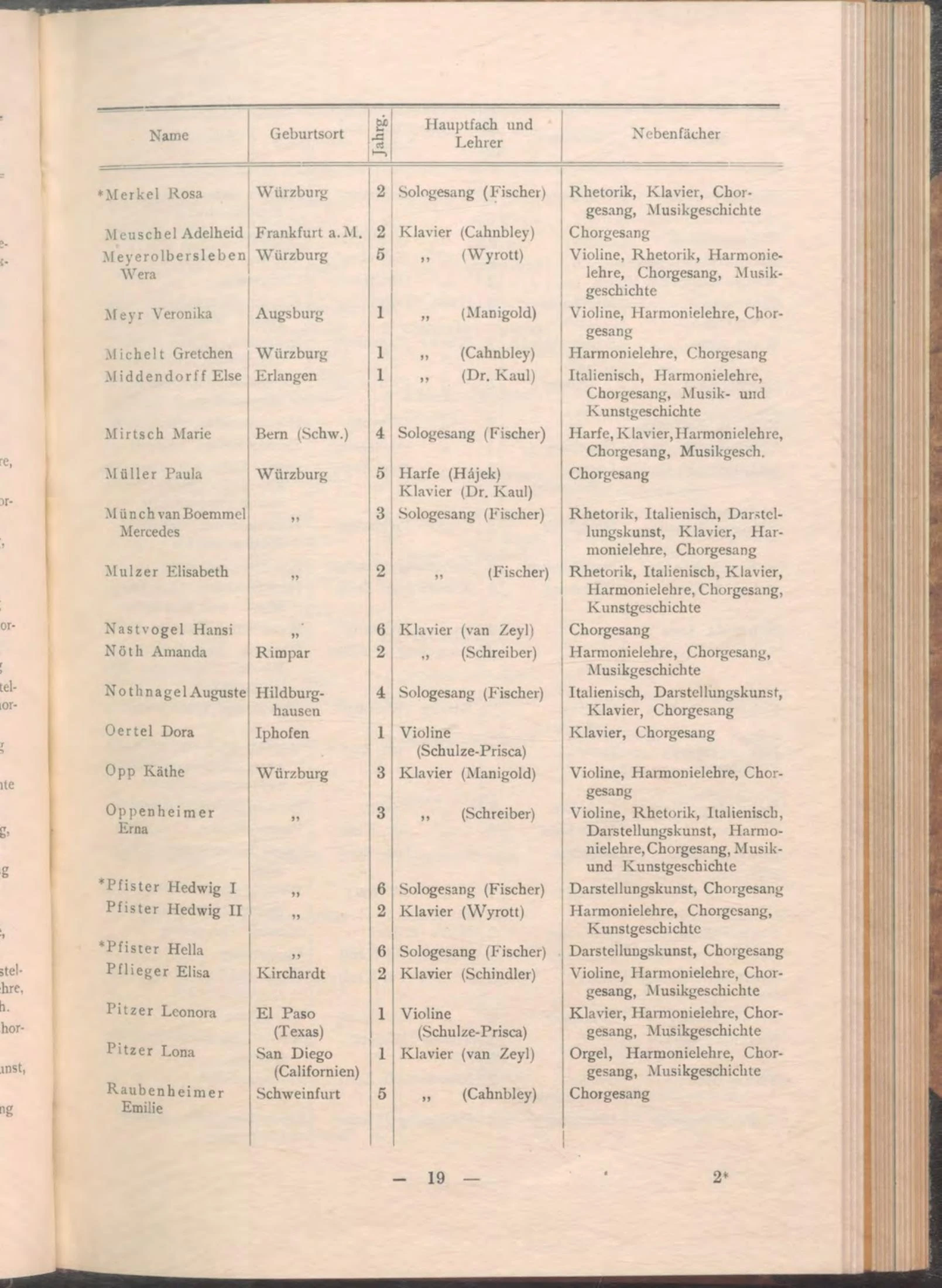
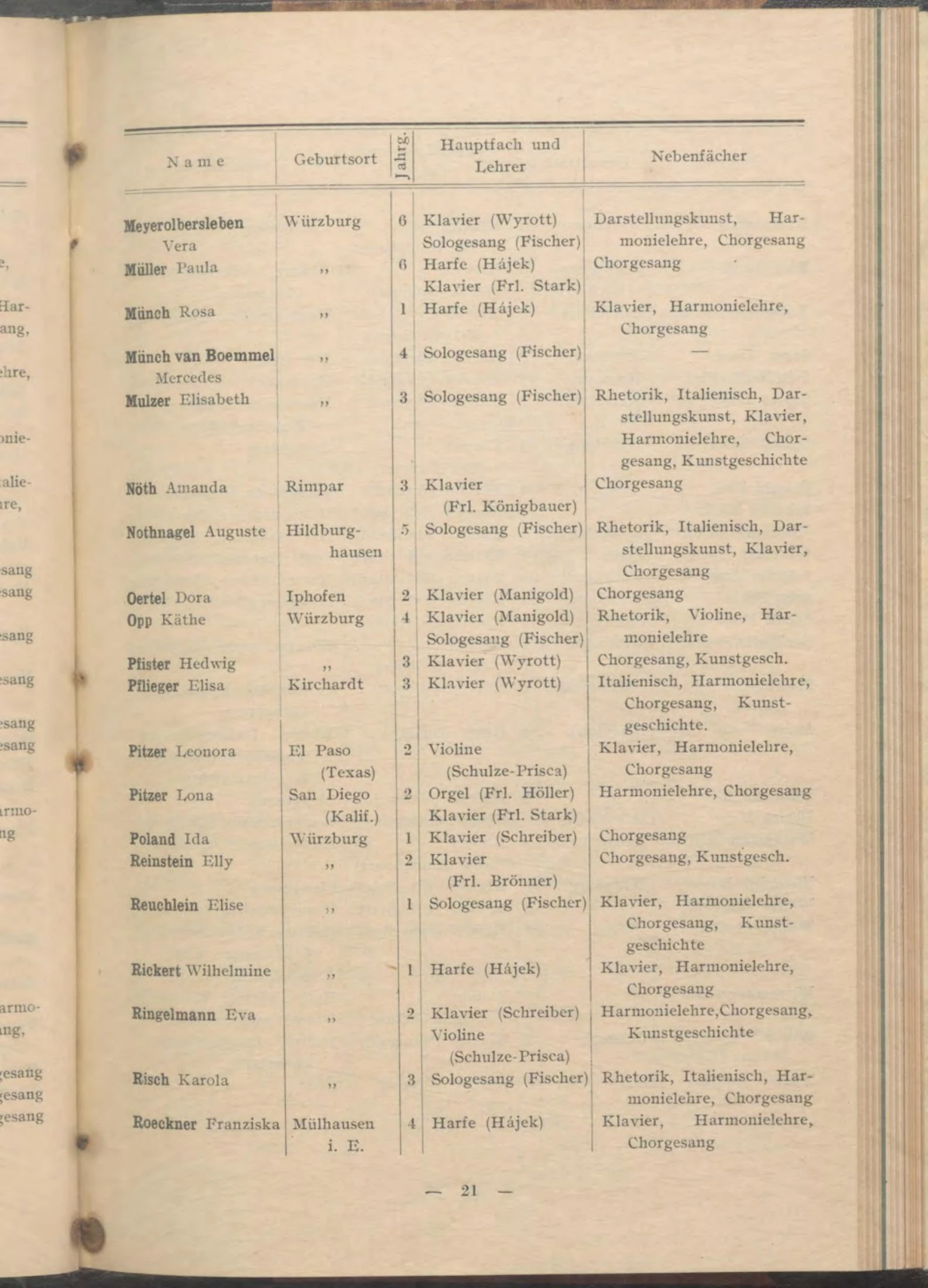
By the 1913–1914 academic year, Leonora and Lona were students at the Royal Conservatory of Music in Würzburg. The official student register identifies Leonora’s birthplace as El Paso and lists violin as her principal subject, with Schulze-Prisca as her teacher. She also studied piano, harmony, choral singing and music history. Lona appears on the next line, studying piano. The following year’s report lists Leonora as a second-year violin student, again with piano, harmony and choral singing. These records document two years of formal training. [2]
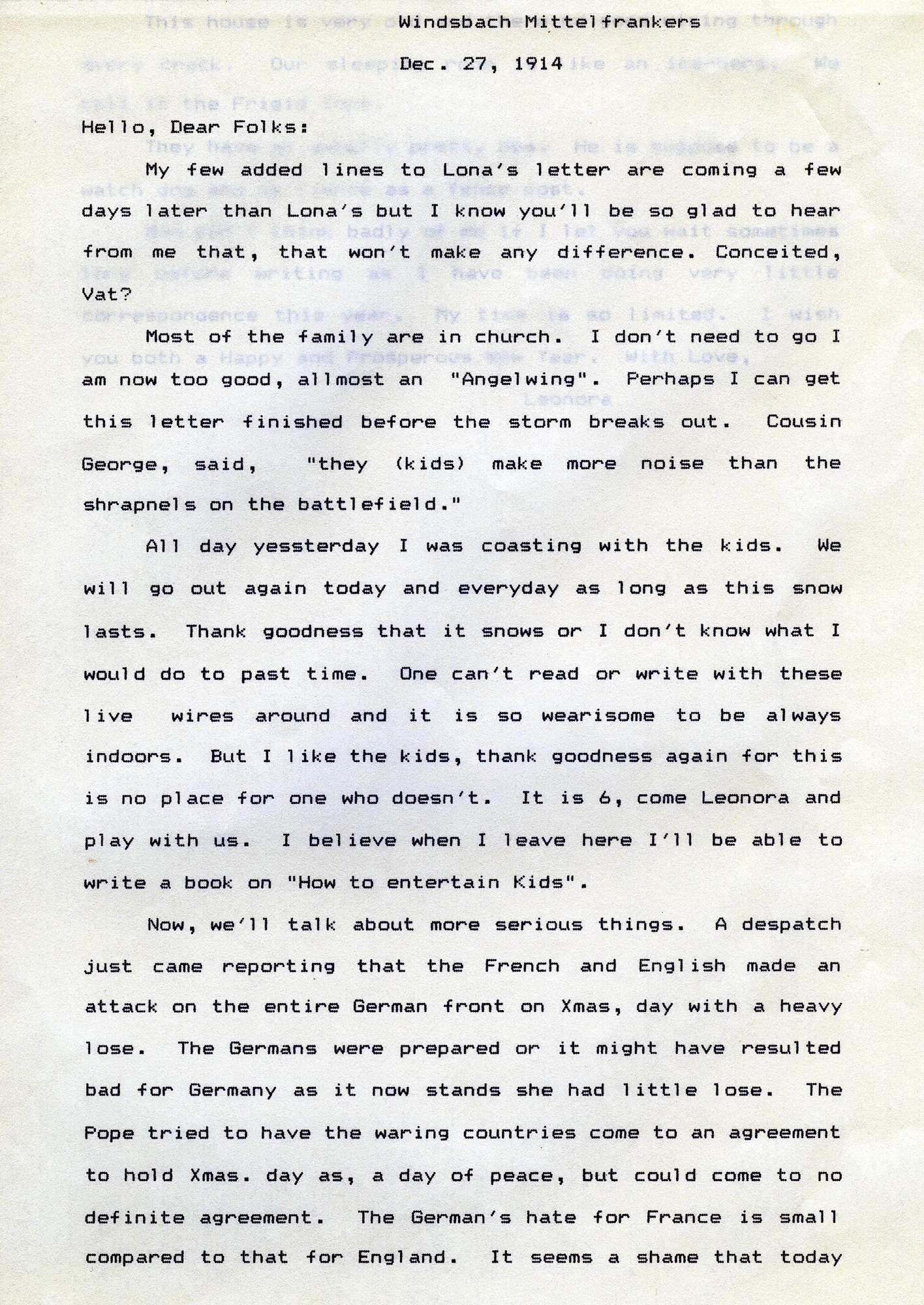
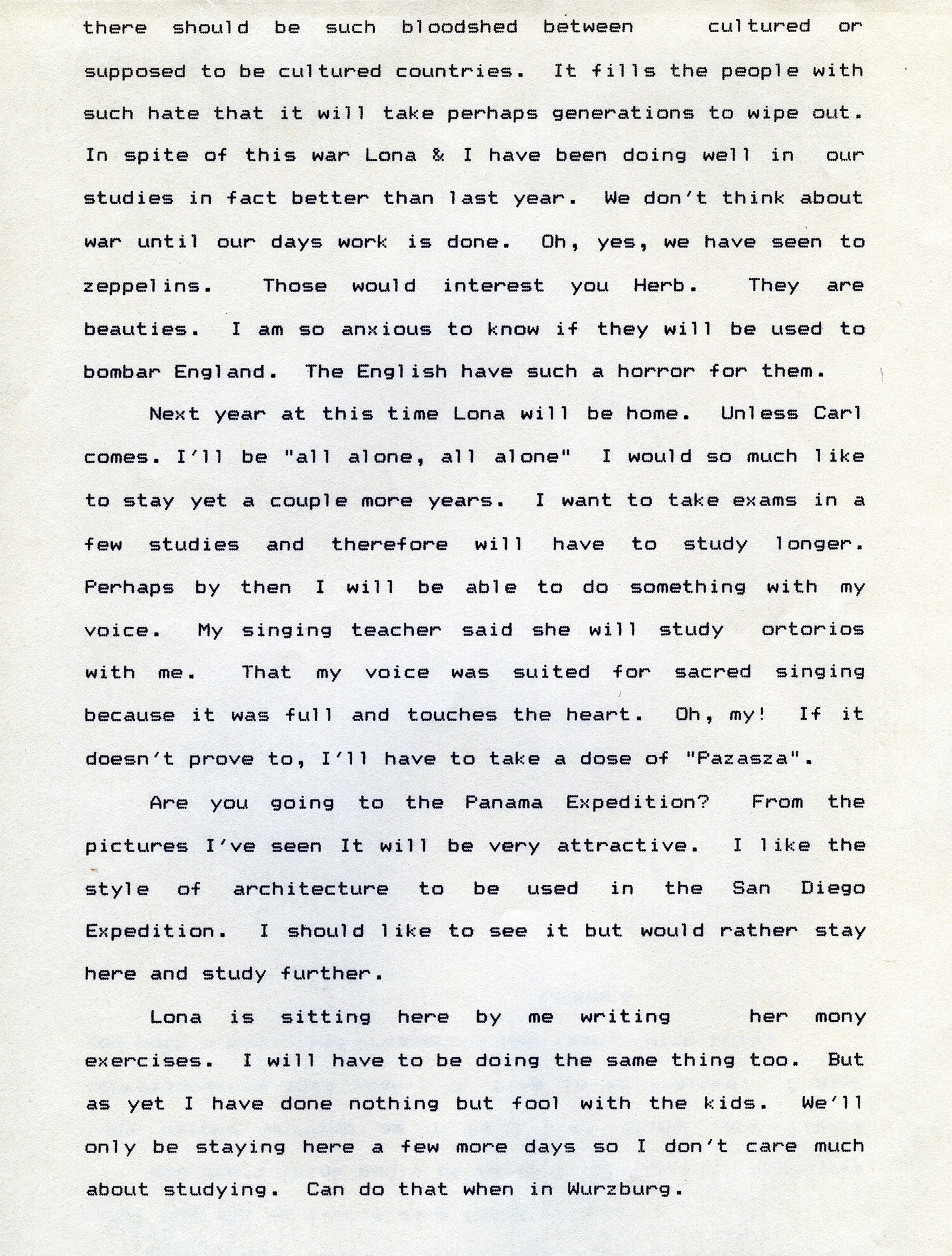
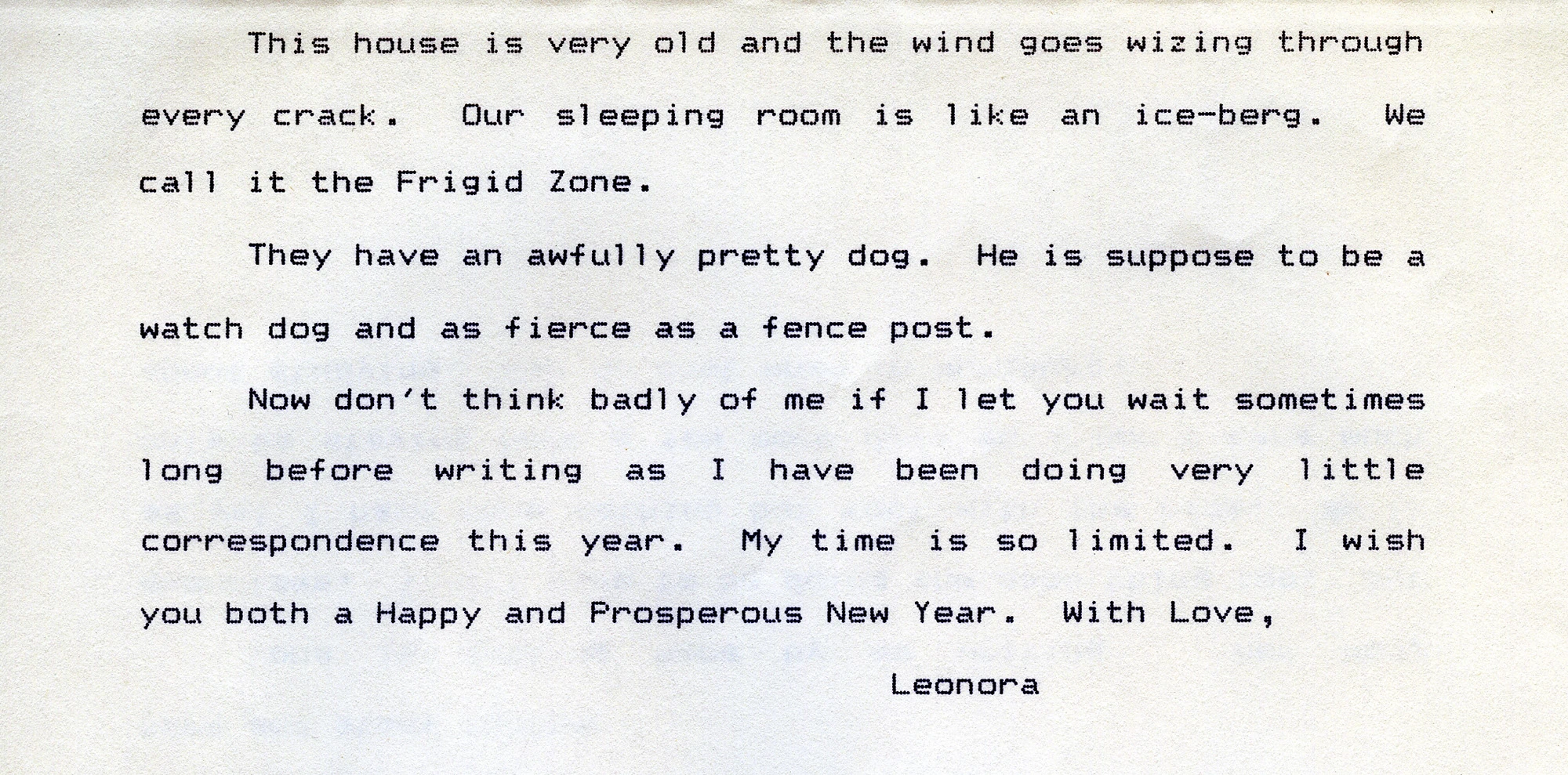
Her letters give those school records a more personal voice. Writing from Windsbach on December 27, 1914, Leonora described Christmas with relatives, sledding, children’s company and a bedroom cold enough to make an impression. She wanted more time for her studies: another couple of years, examinations to prepare for, and further work on her singing voice. Her singing teacher thought her voice suited to sacred music and proposed work on oratorios. The letters survive here as preserved typewritten copies. [3]
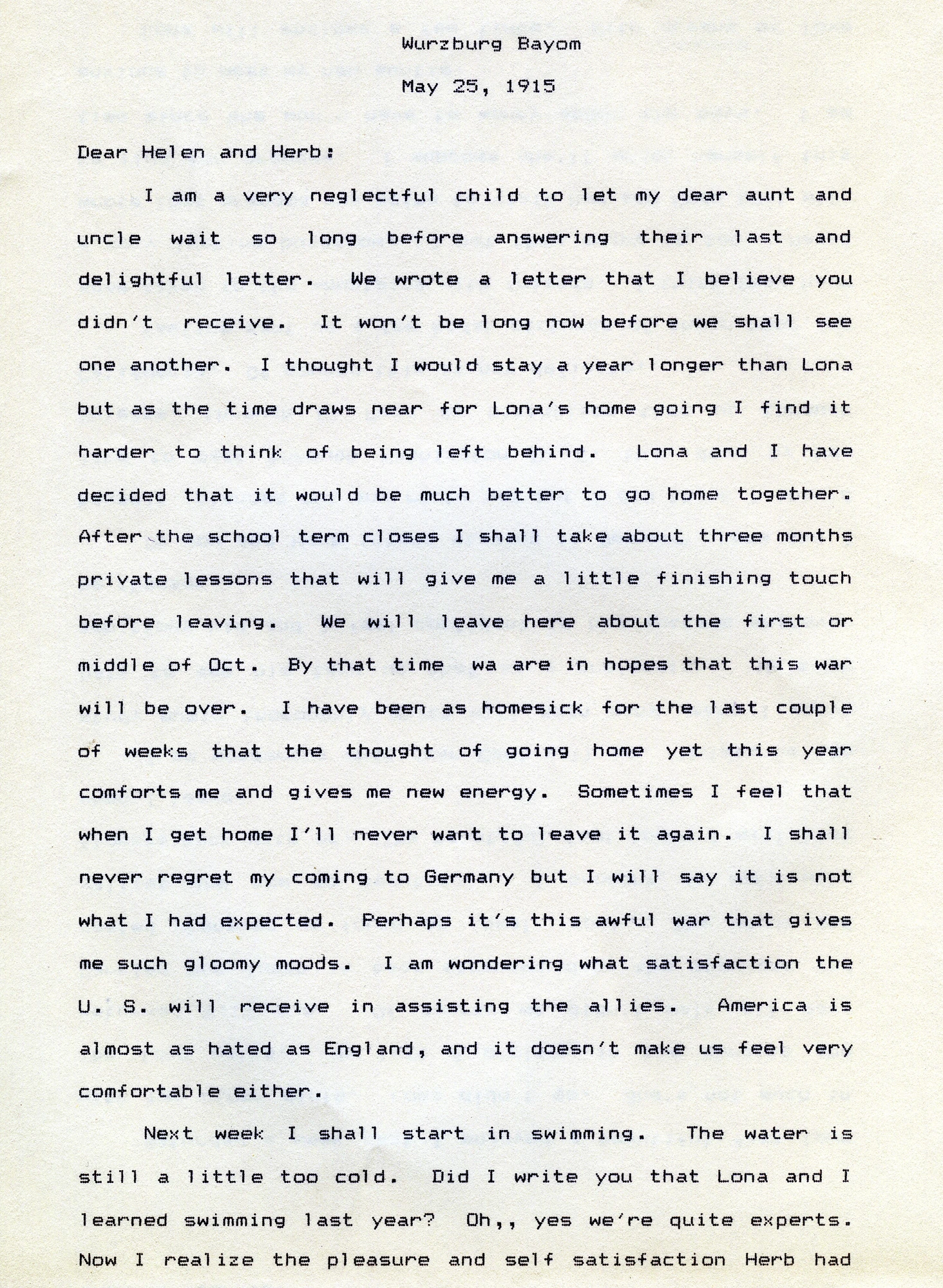
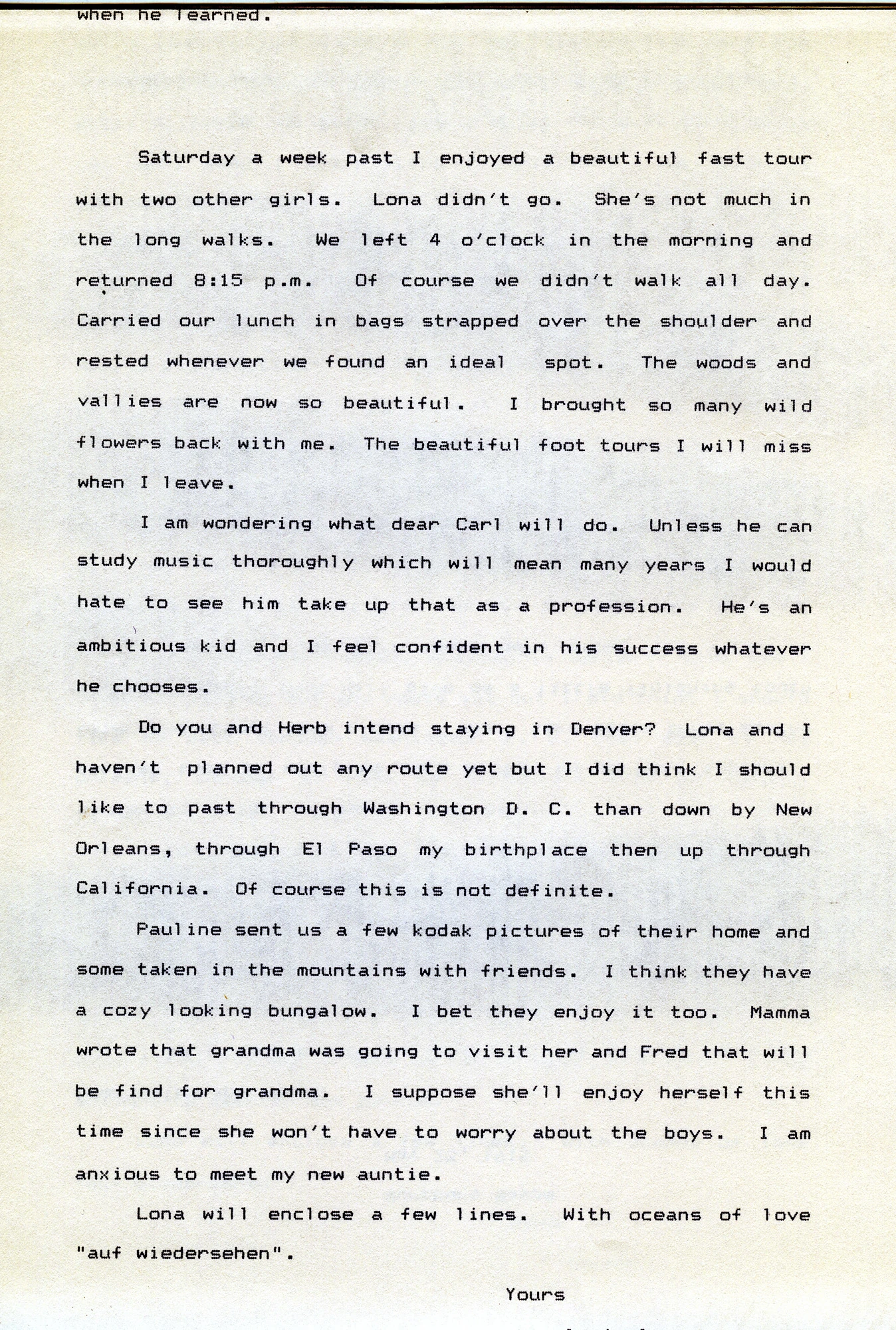
By May 25, 1915, she was thinking of home. She and Lona planned to finish additional private lessons and return together, perhaps in October. Leonora wrote of homesickness and the strain of being an American in wartime Germany. She also described pleasures that had nothing to do with examinations: learning to swim, a long walk with two other girls, a picnic and gathering wildflowers. In considering a journey through the United States, she called El Paso her birthplace. [3]
A journey home during the war
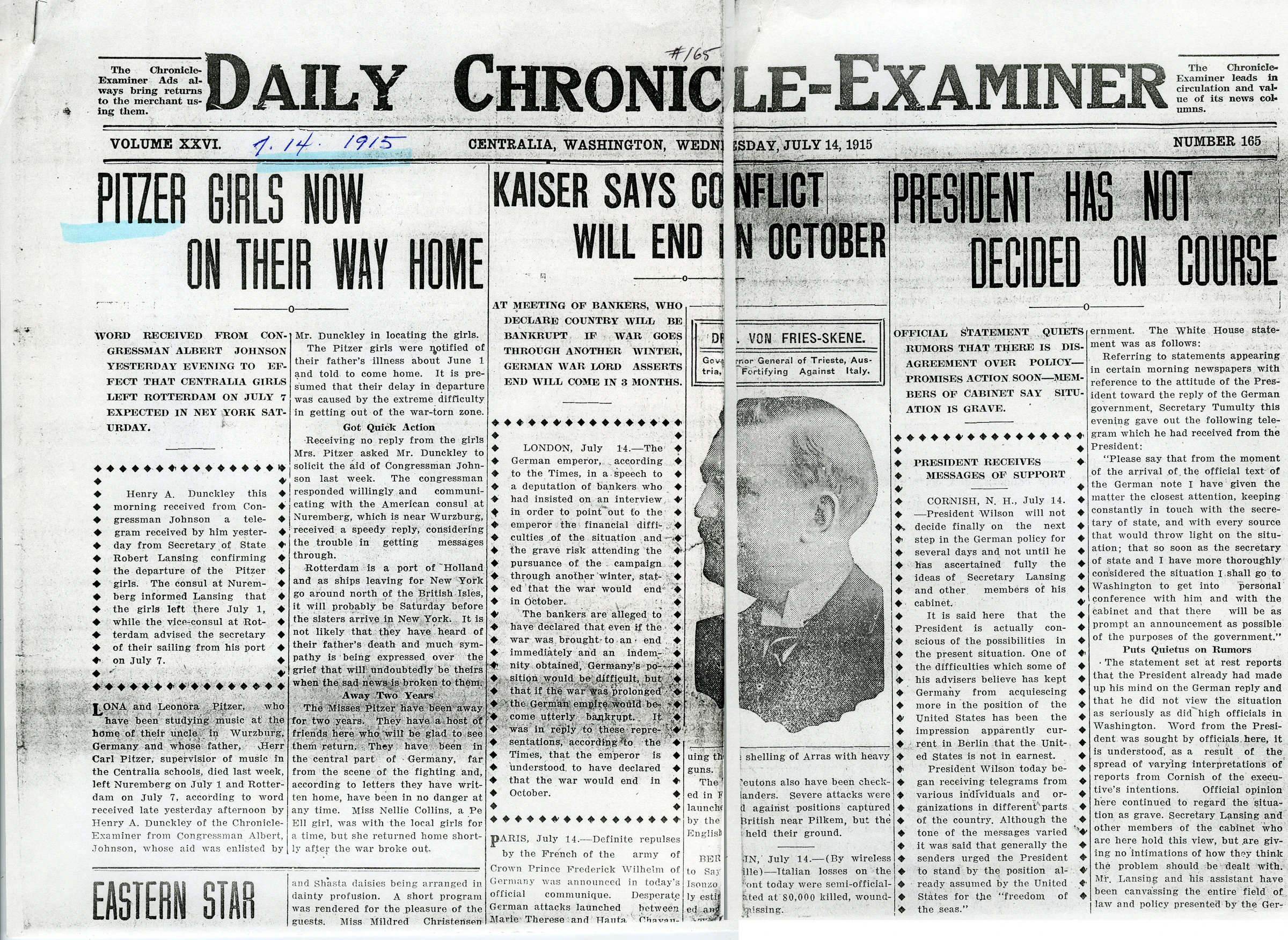
The family’s circumstances changed those plans. On May 21, the Daily Hub reported that Carl Pitzer was seriously ill and could no longer carry on his teaching duties. His daughters had been asked to come home. Carl died in Centralia on July 8, 1915. Communication across wartime Europe was difficult: a July 14 Daily Chronicle-Examiner report described Selma seeking help through Henry A. Dunckley and Congressman Albert Johnson, with messages passed through American consular officials. [1] [4]
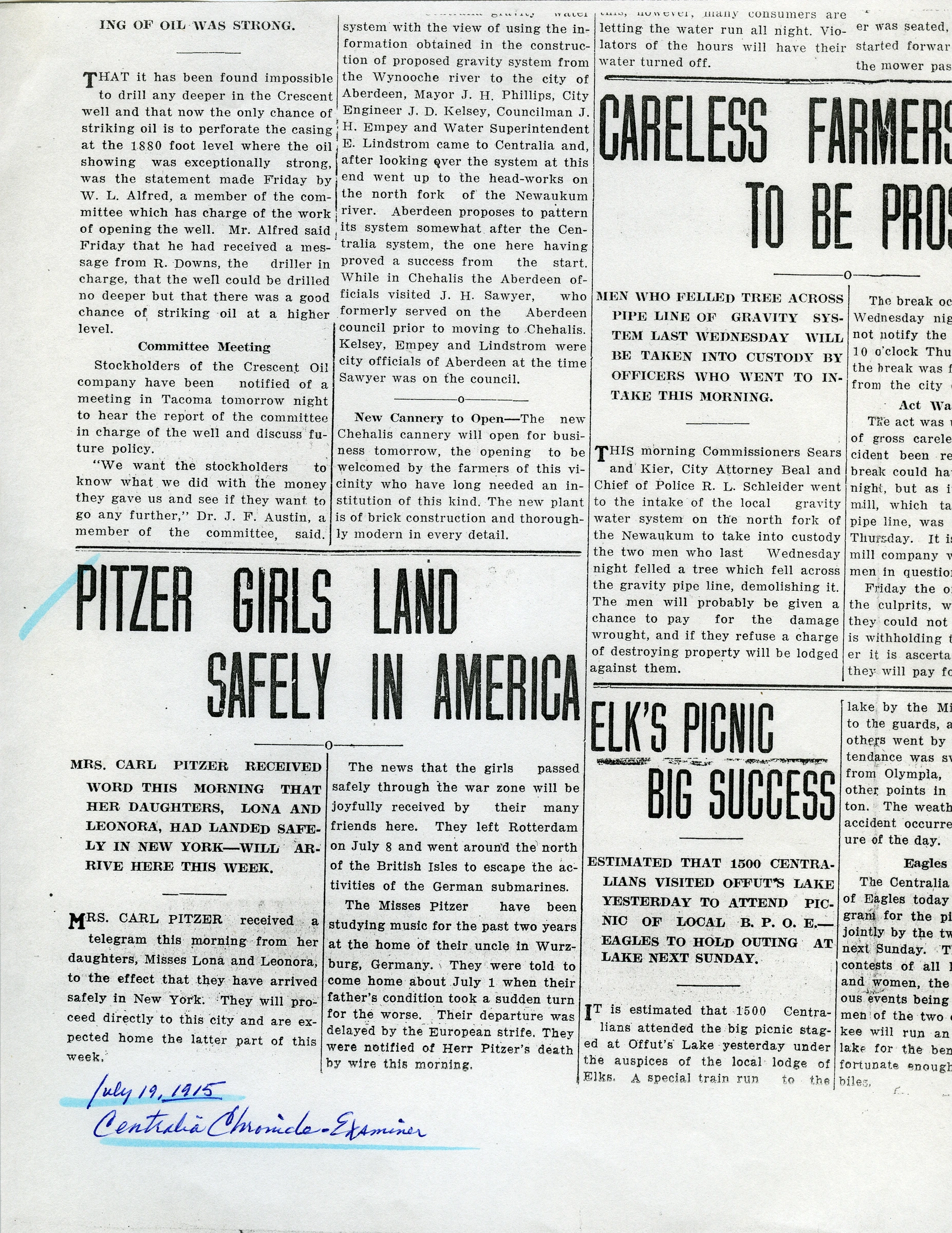
The July 14 newspaper reported that Lona and Leonora had left Nuremberg on July 1 and sailed from Rotterdam on July 7. A later report gave the sailing date as July 8, so the exact departure day remains unsettled. By the July 19 report, the sisters had landed safely in New York. Their mother received a telegram announcing their arrival, and the newspaper said they were notified of their father’s death by wire that morning. They had not reached home in time to see him again. [4]
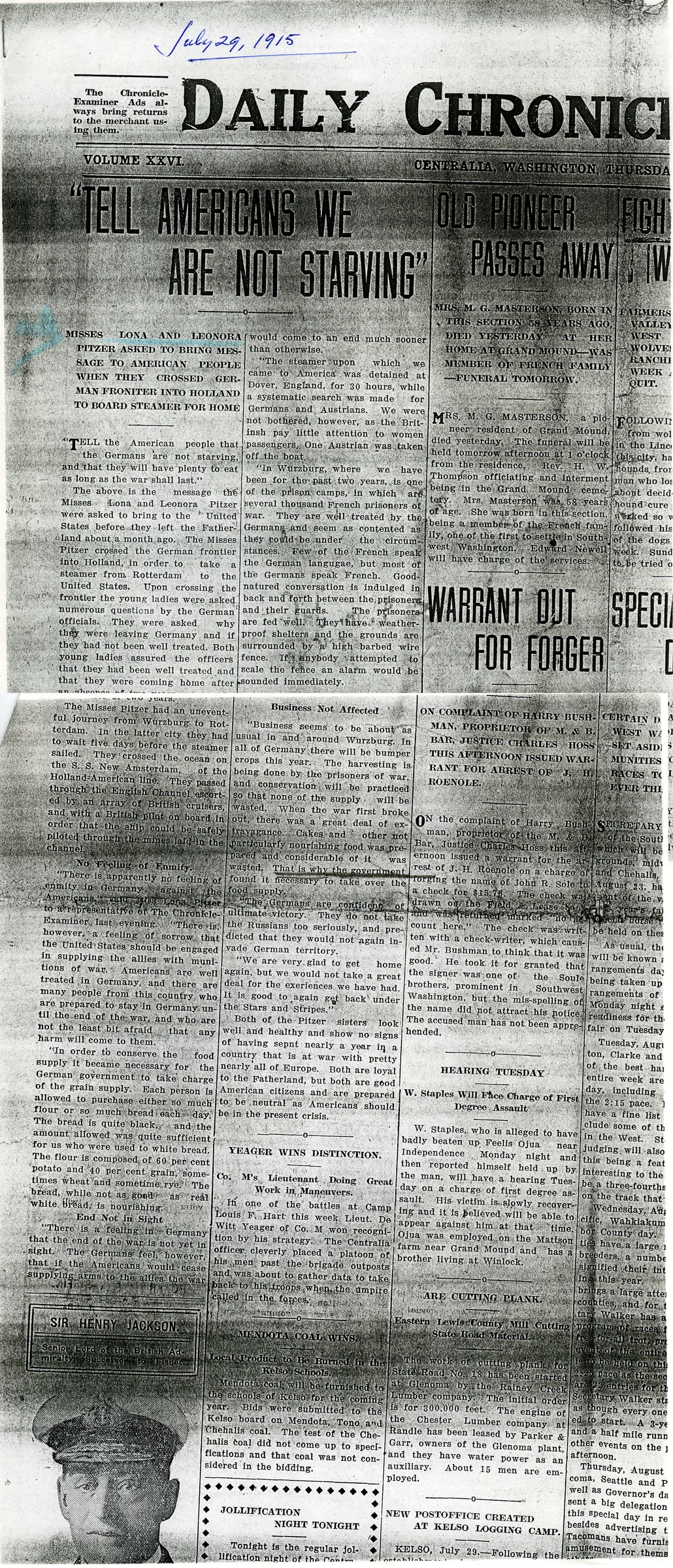
A July 29 interview names their ship as the S.S. New Amsterdam of the Holland-America line. They described waiting five days in Rotterdam, passing through the English Channel under British escort and being detained at Dover for thirty hours while the ship was searched. They also offered their impressions of Germany during the war. Those observations were the sisters’ account of what they had seen and heard. They were glad to be home, while still valuing the experience of their two years abroad. [4]
Centralia & Seattle · 1916–1918
Violinist, singer and member of the Pitzer Trio
Back in Centralia, Leonora performed with her siblings as the Pitzer Trio. A review published on January 22, 1916, praised their concert of the previous evening: Leonora played violin and sang, Lona played piano, and Carl played flute. The portrait of the three siblings makes those musical roles visible, with Carl holding his flute and Leonora her violin. [5]
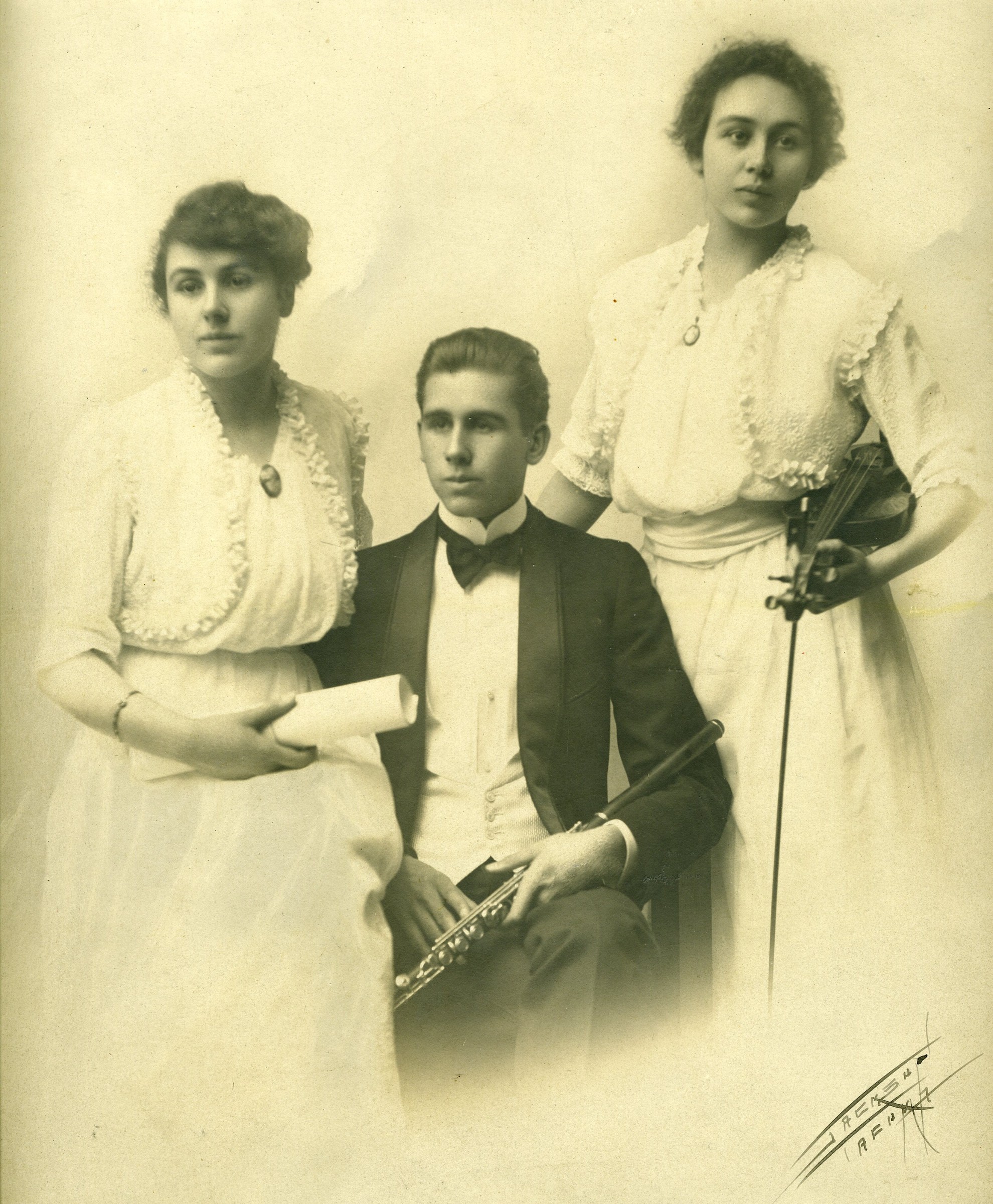
Other local engagements followed. A February 5 notice announced her violin solo at a First Presbyterian Church choral-club concert, and a February 16 program listed her for a Centralia–Chehalis Knights of Pythias anniversary celebration. These notices connect her with the community’s church and civic music, although they do not establish her religious membership. [5]
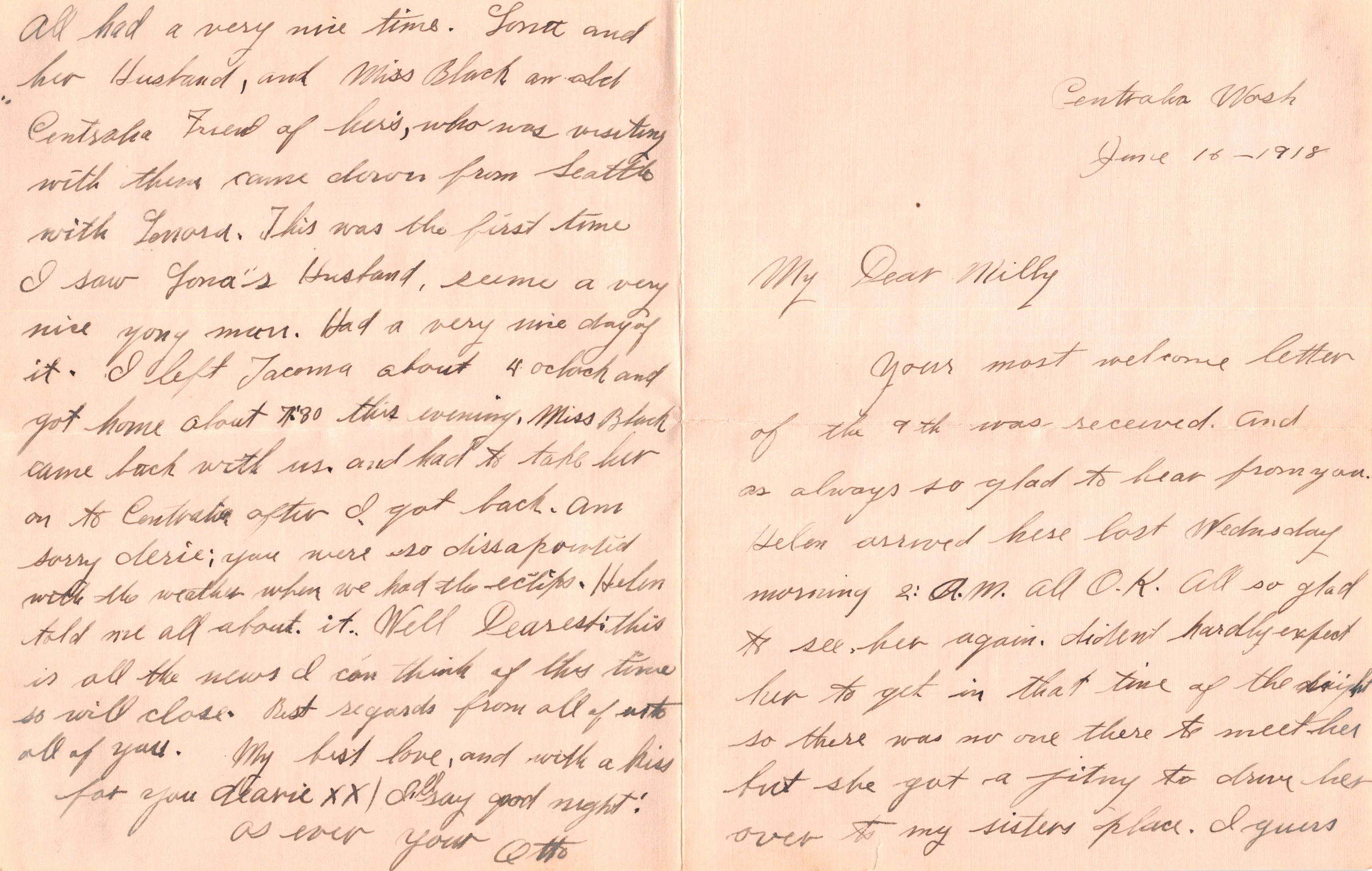
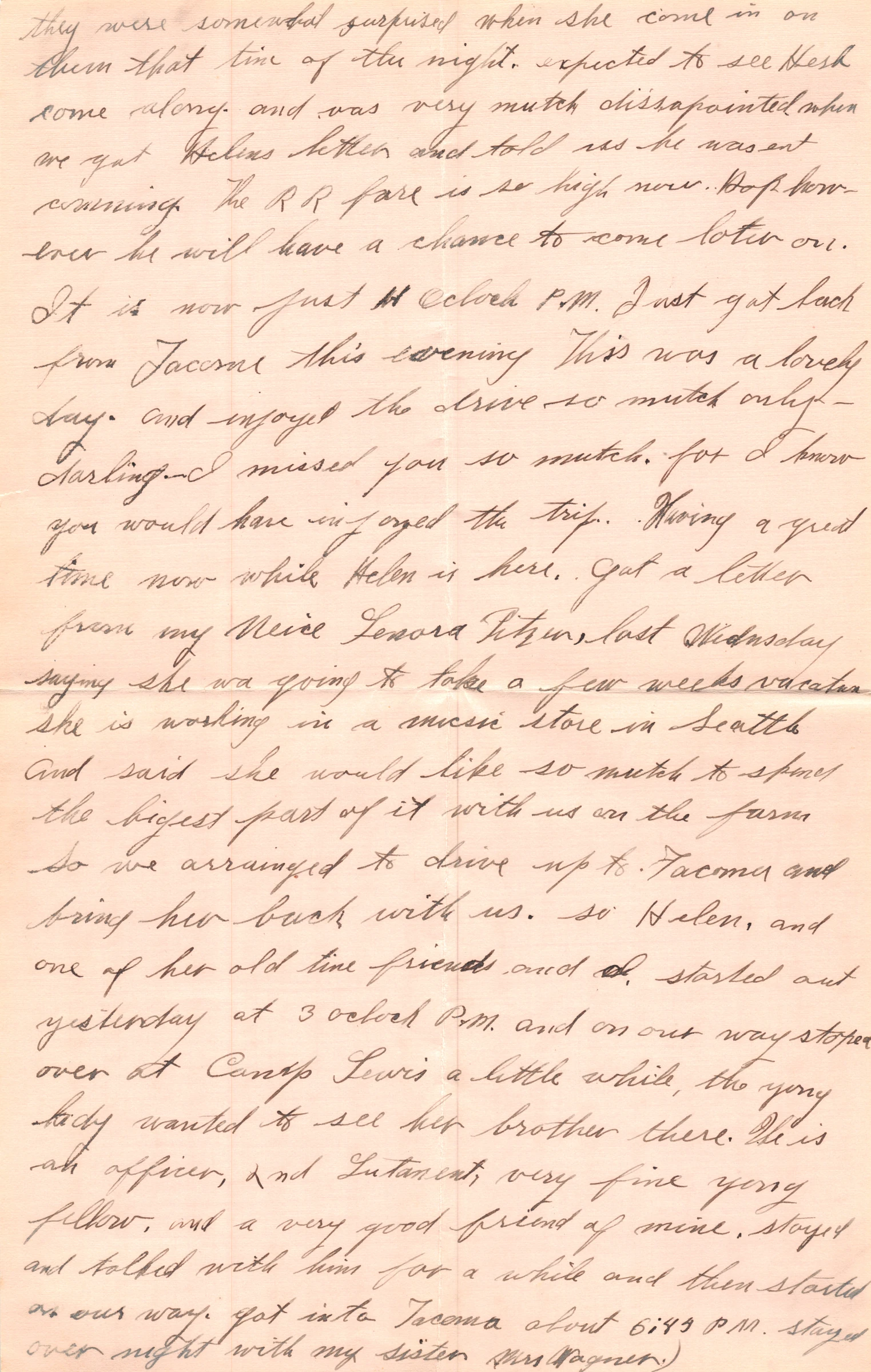
By June 1918, she was working in a Seattle music store. In an original handwritten letter to Milly, her uncle Otto said that Lenora had a vacation of several weeks and hoped to spend much of it on the farm. He discussed collecting her in Tacoma. The store’s name and her particular duties have not yet been found, but the letter shows music continuing as part of her working life and the farm remaining a place she wanted to visit. [6]
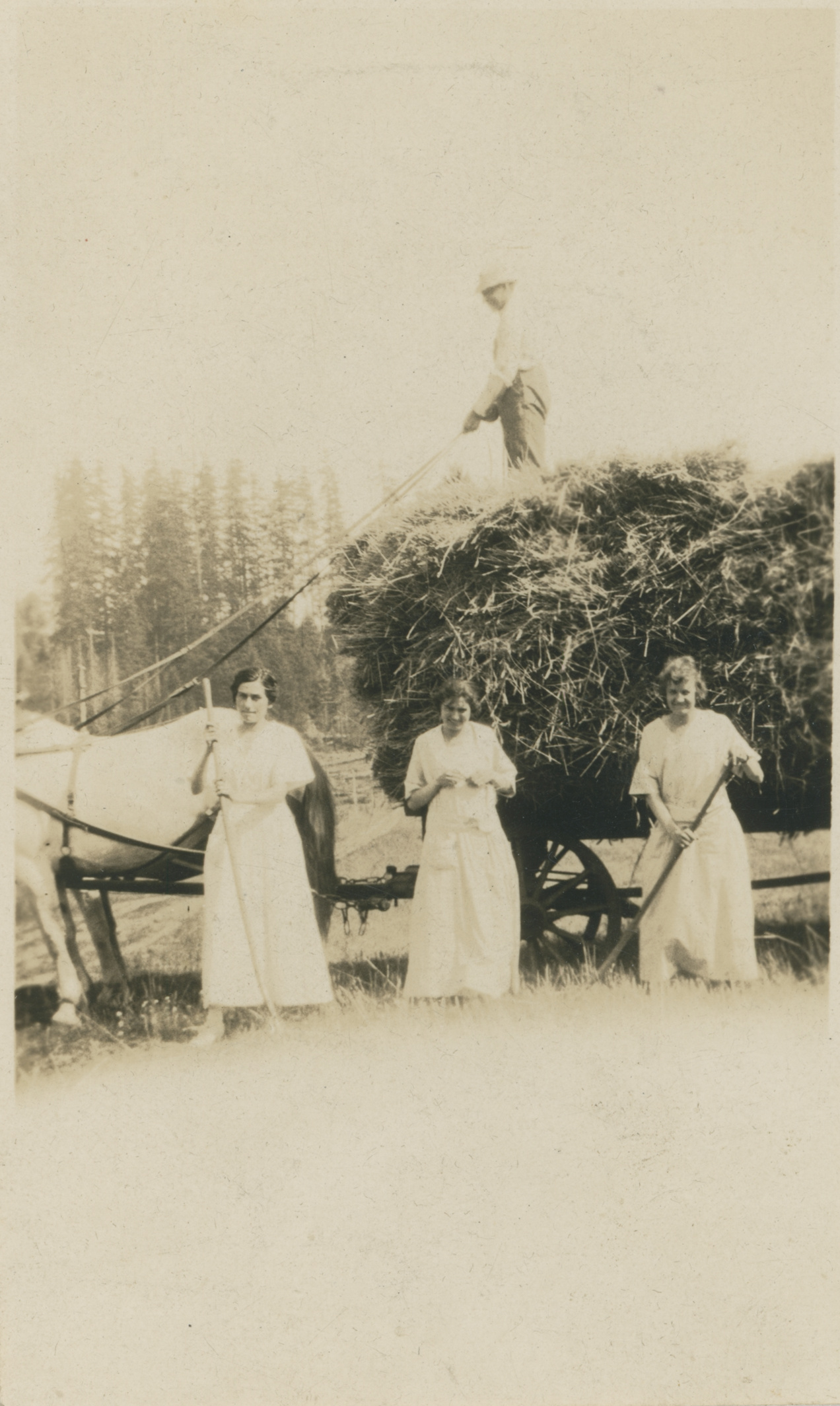
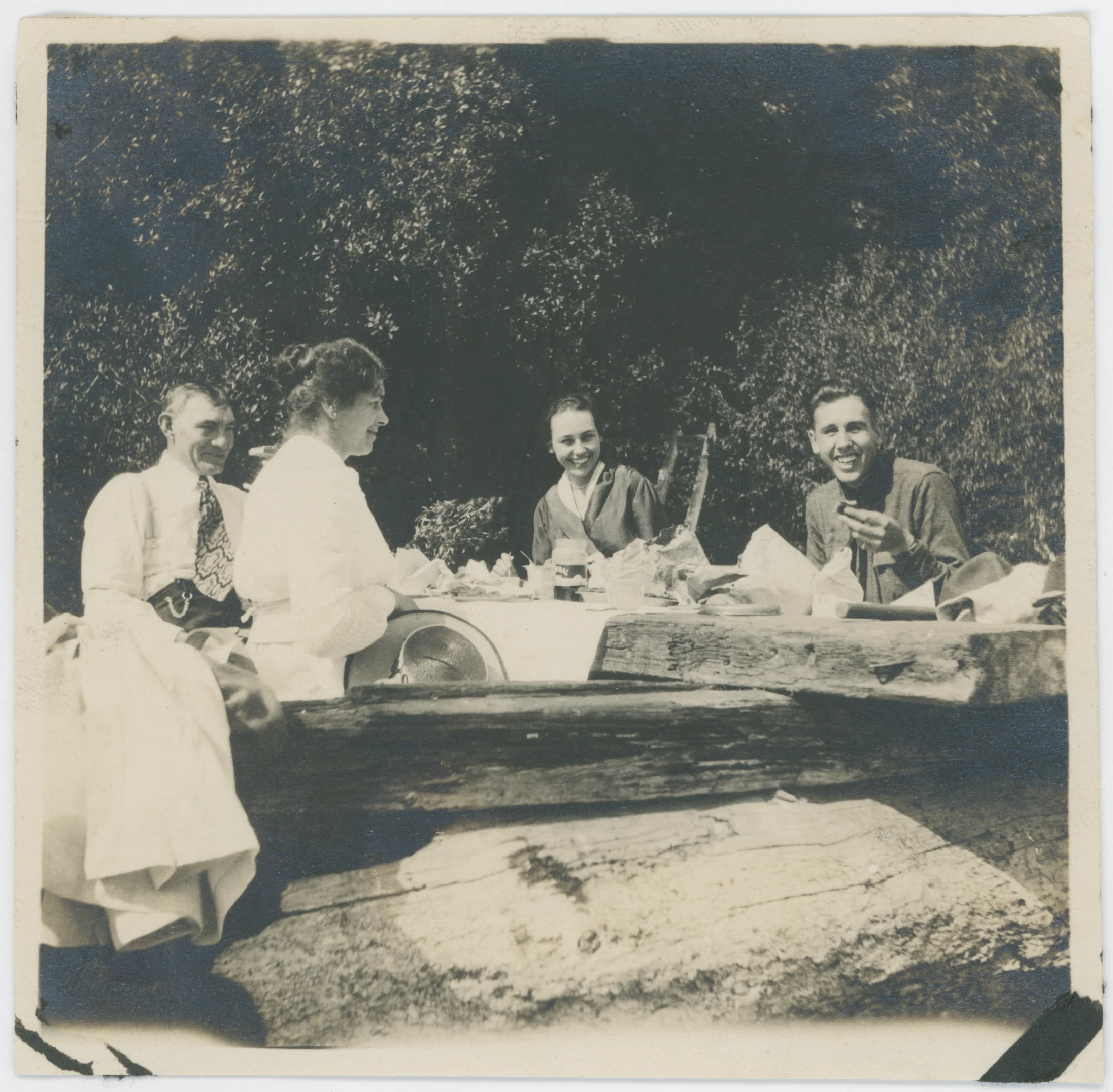
Family photographs place her with Otto and her grandmother in November 1918 and with the family at harvest in August 1919. One dated August 11 shows Otto on a load of wheat, with Milly, Lenora and another unidentified person. Only six days later, Leonora would marry.
Tacoma · 1919–1920
Marriage to Gordon Hartshorn
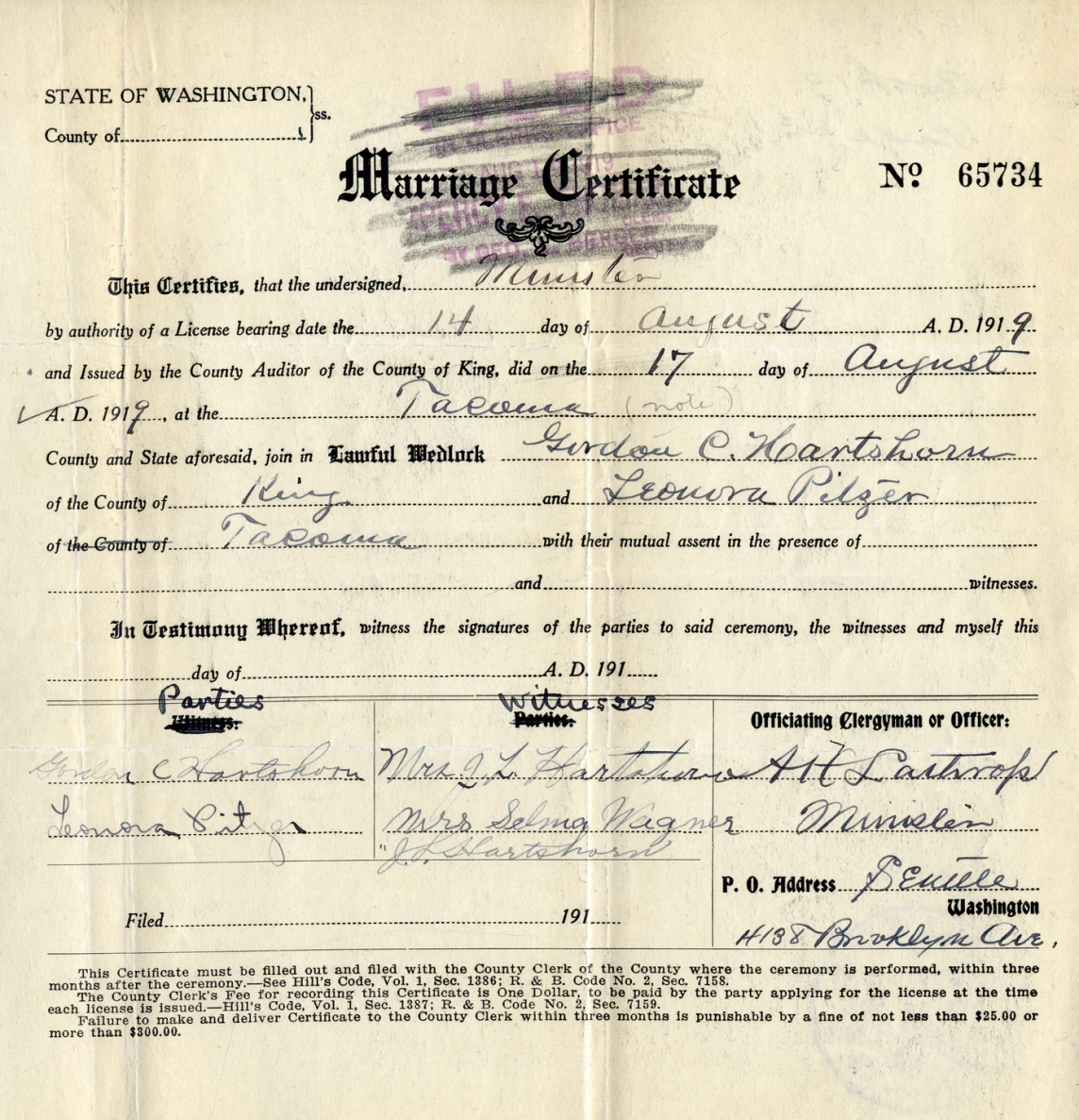
Leonora married Gordon C. Hartshorn in Tacoma on August 17, 1919. Their signed certificate records a King County marriage license issued three days earlier. The minister was A. H. Lathrop; the witnesses included Mrs. J. L. Hartshorn, J. L. Hartshorn and Mrs. Selma Wagner. Selma had married William J. Wagner in 1917, and the family’s Tacoma photographs from 1919 show the Wagner and Pitzer connections together. [7]
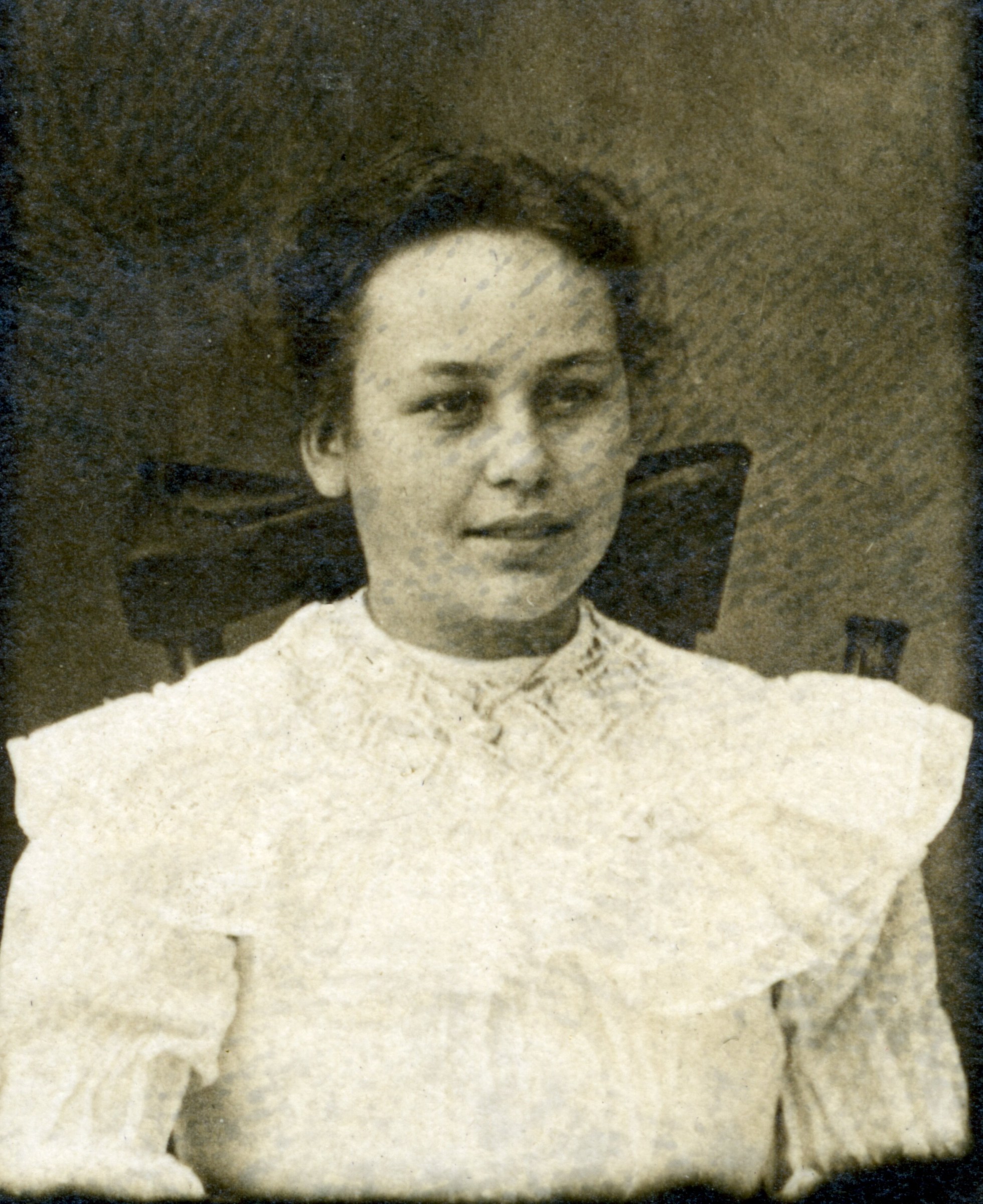
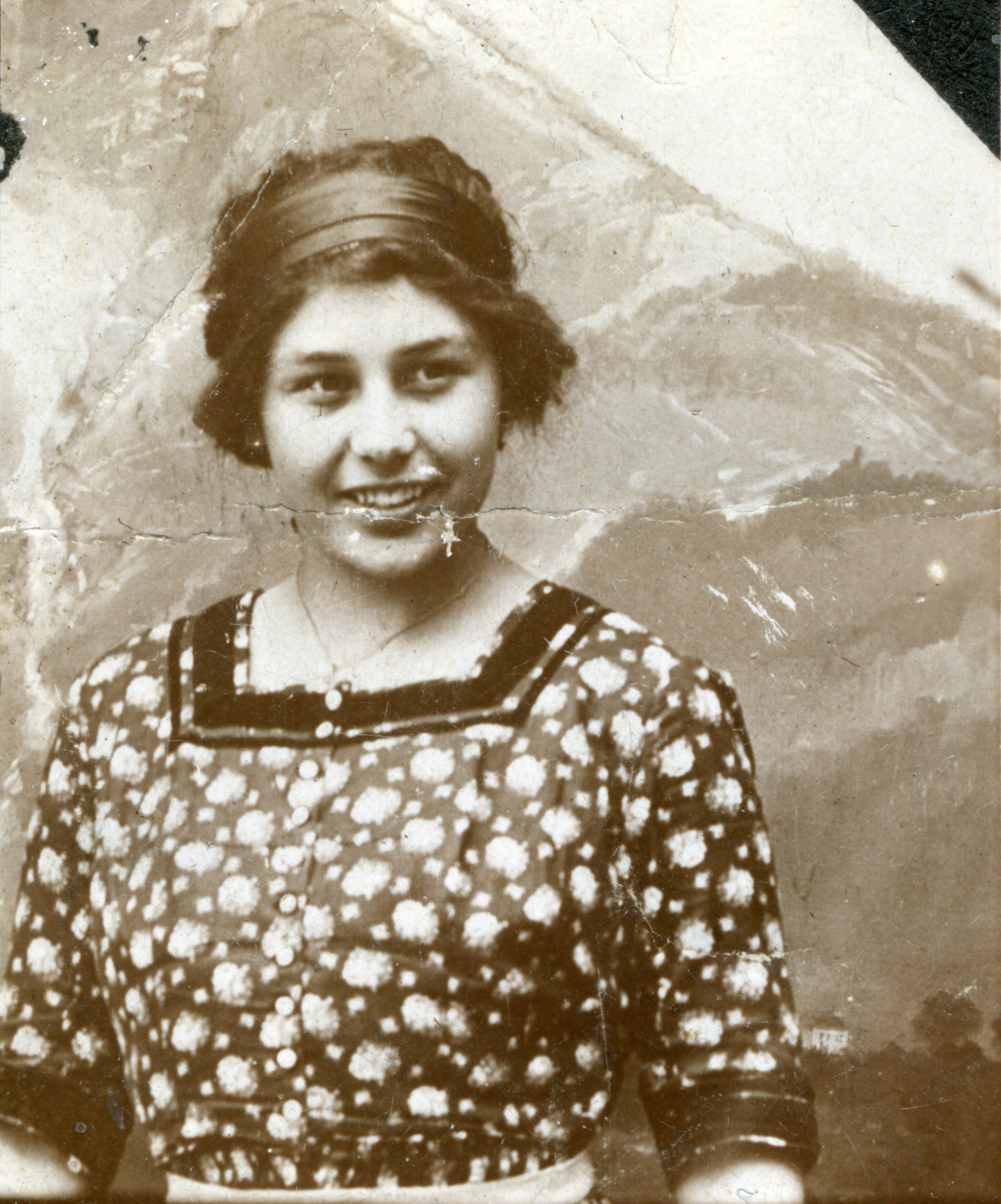
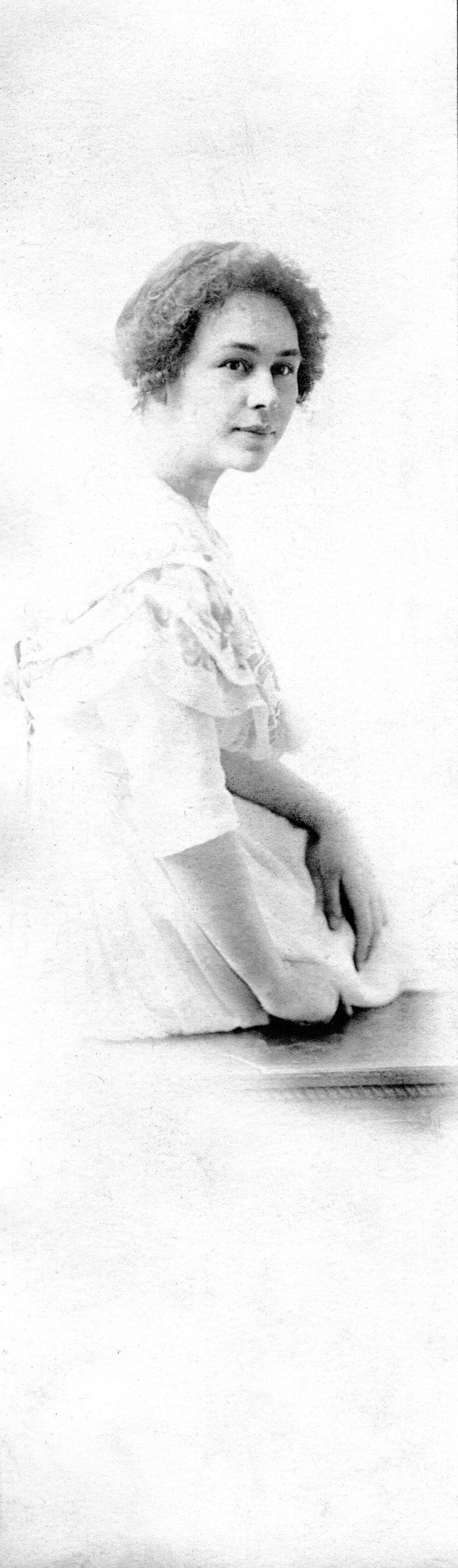
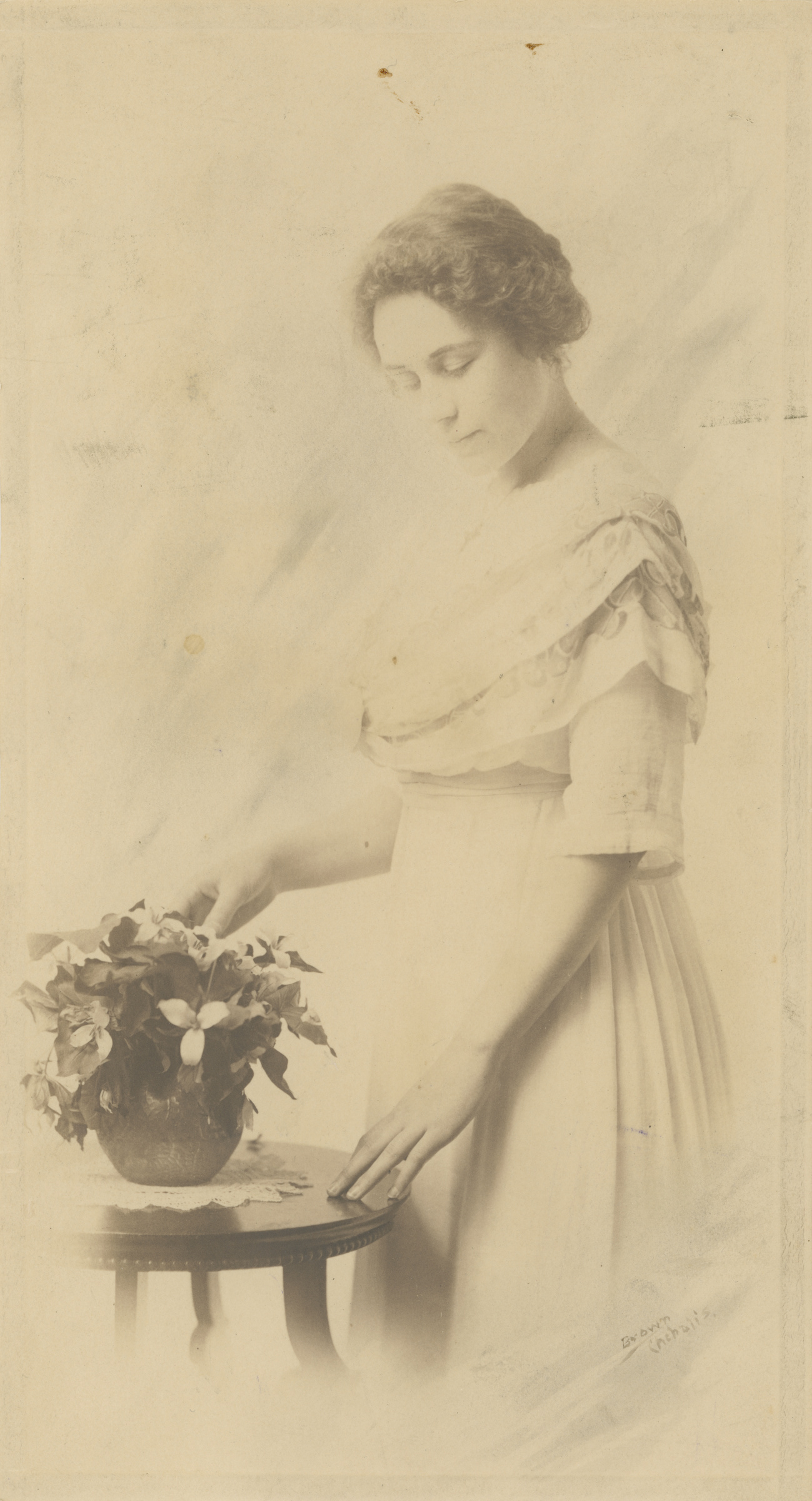
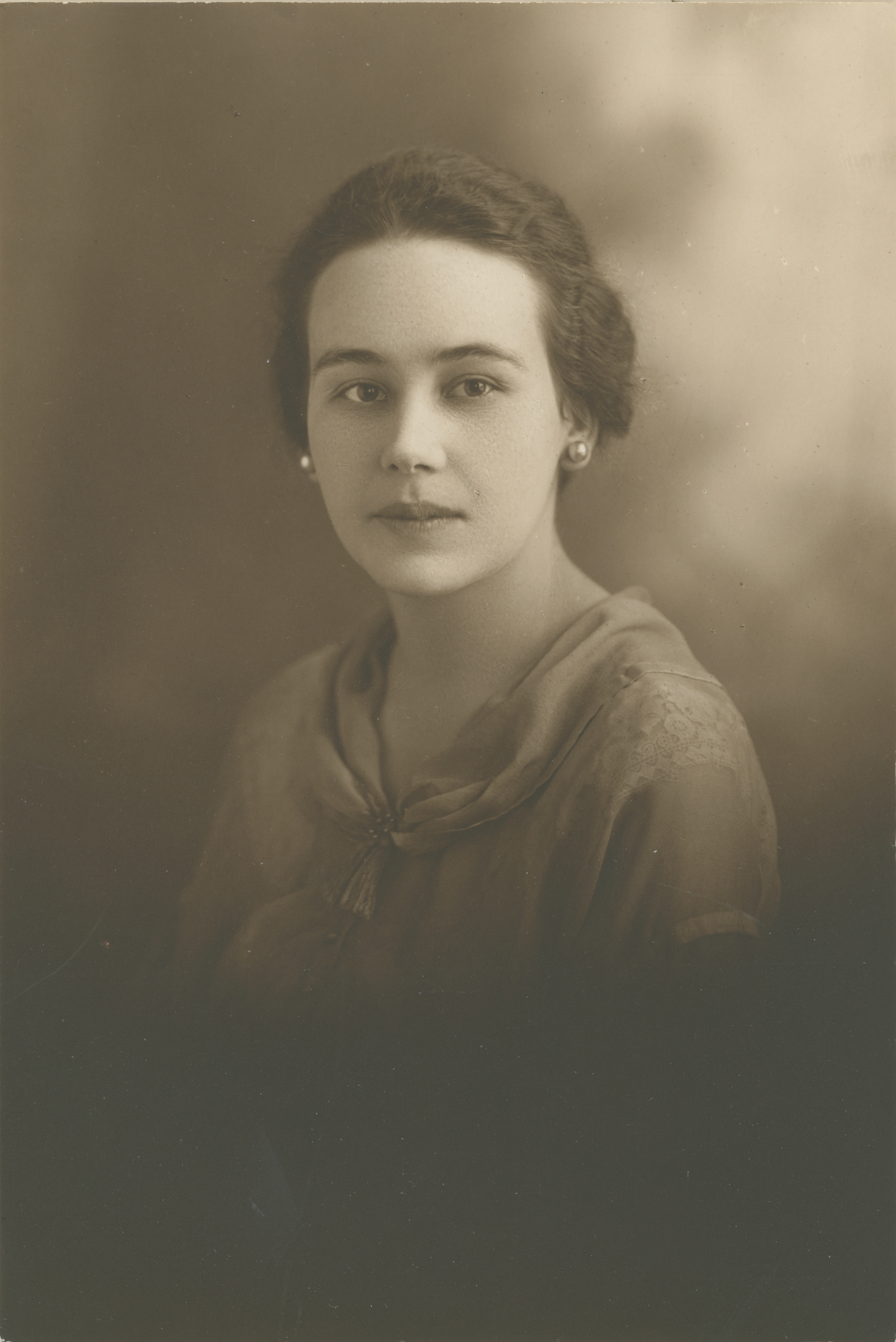
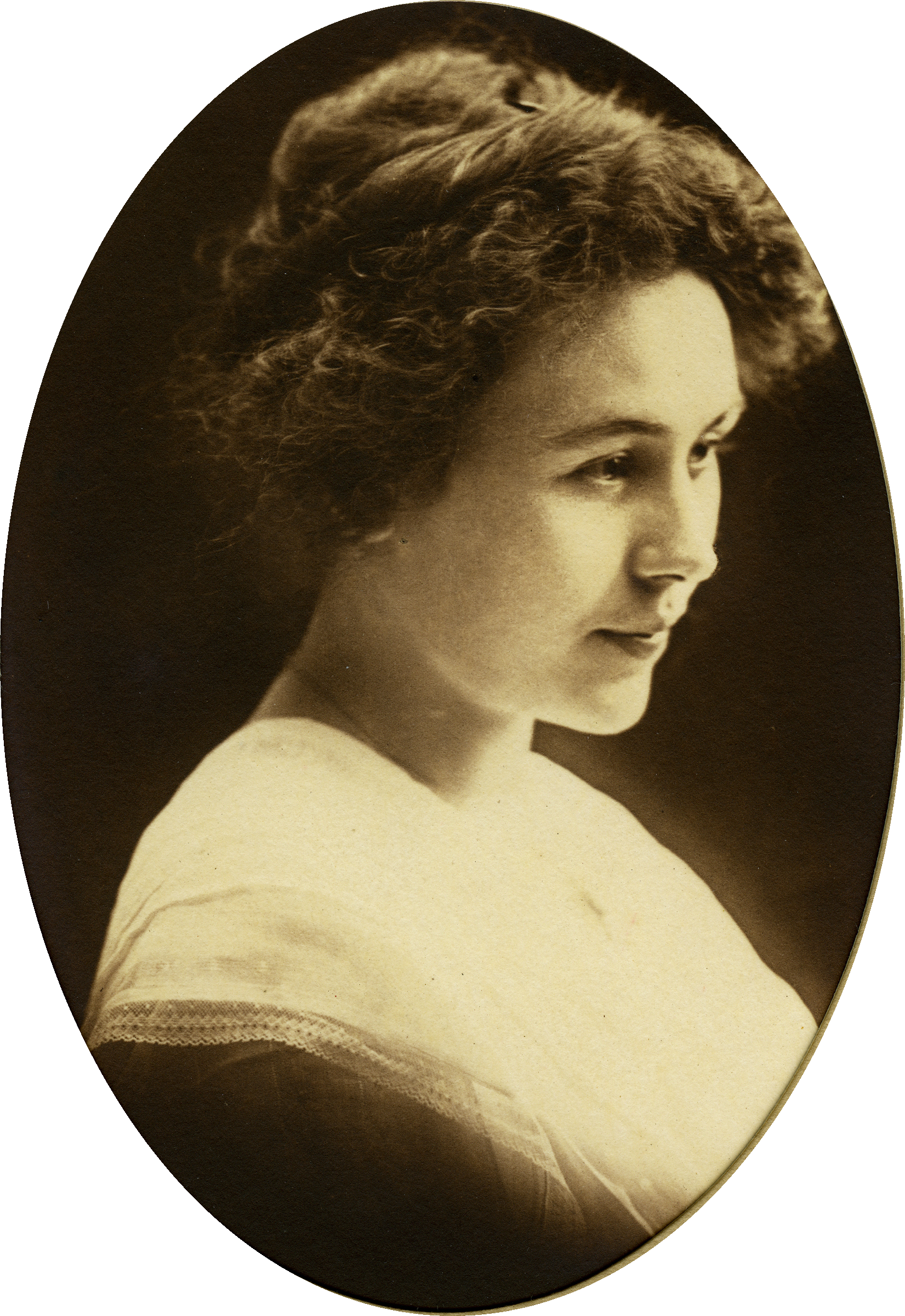
Several portraits survive from the last years of Leonora’s life: a softly lit head-and-shoulders portrait dated 1919, an oval profile, a seated portrait, and a photograph with flowers. The family dates some of these about 1919 or 1920; they are not all securely dated to a particular occasion. Her photographs with Lona continued the record of the two sisters who had studied and traveled together.
Her final illness and the family’s loss
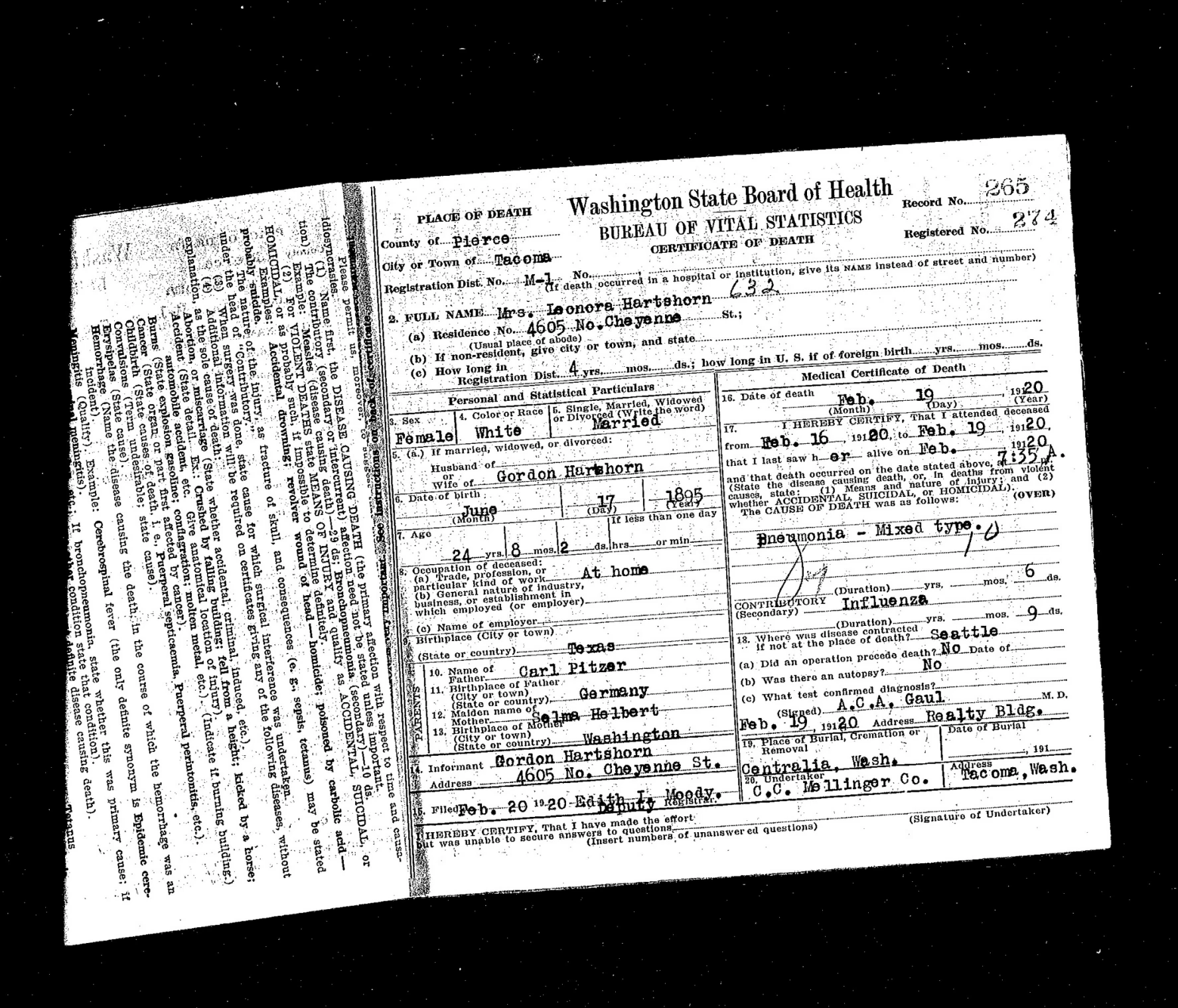
Leonora died in Tacoma on February 19, 1920, at 7:35 in the morning, only about six months after her wedding. She was twenty-four. Her original death certificate records “Pneumonia – Mixed type” as the cause, with influenza contributing, and states that the illness had been contracted in Seattle. The recorded durations were six days for pneumonia and nine for influenza. Gordon was the informant. [8]
The certificate gives her residence as 4605 North Cheyenne Street in Tacoma and names her parents, Carl Pitzer and Selma, whose maiden name was written as “Helbert.” It records Centralia as the burial or removal destination. It does not name a hospital or cemetery. The medical record supports the family’s pneumonia account; it does not record drowning in the Skookumchuck River. [8]
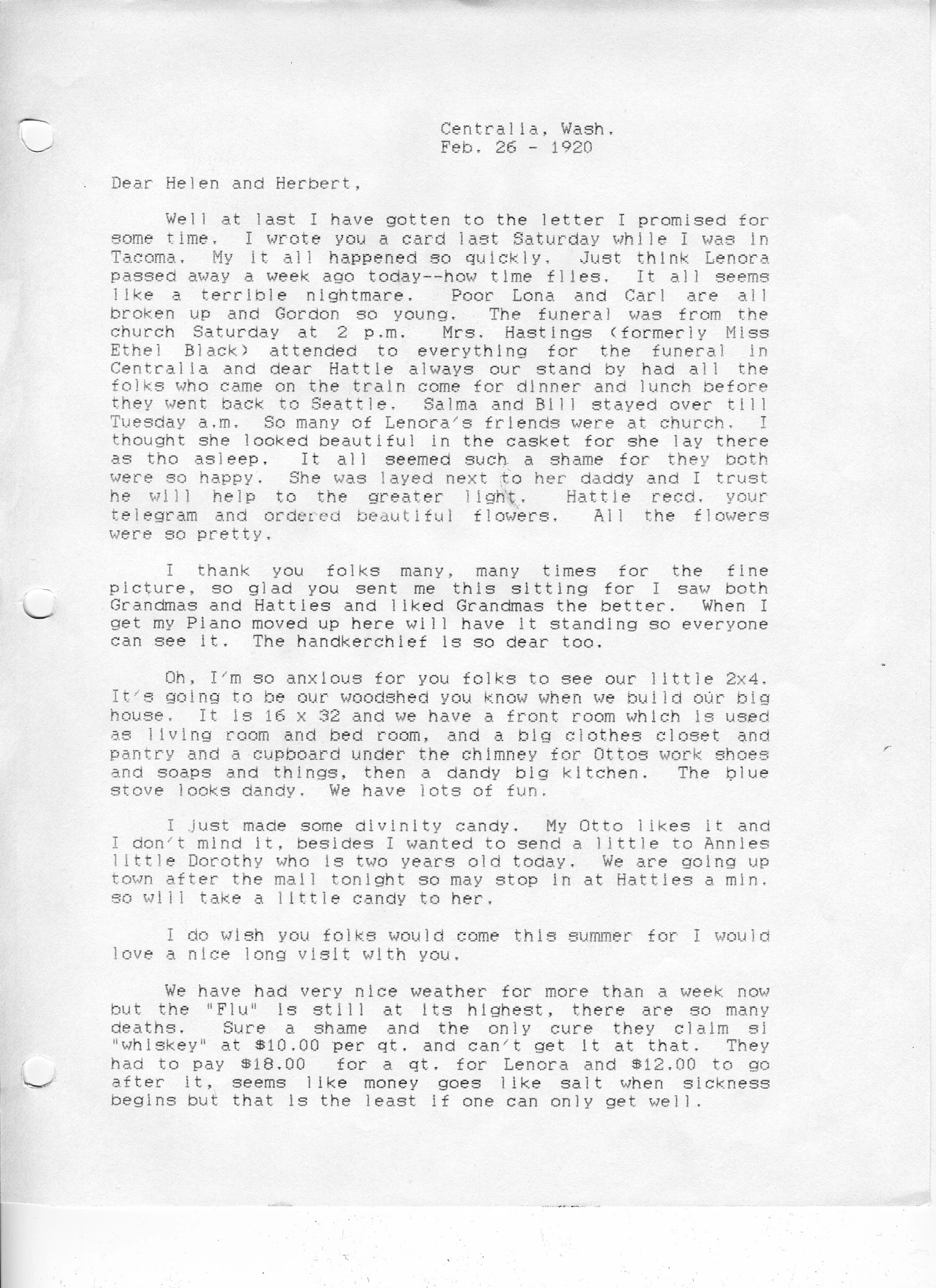
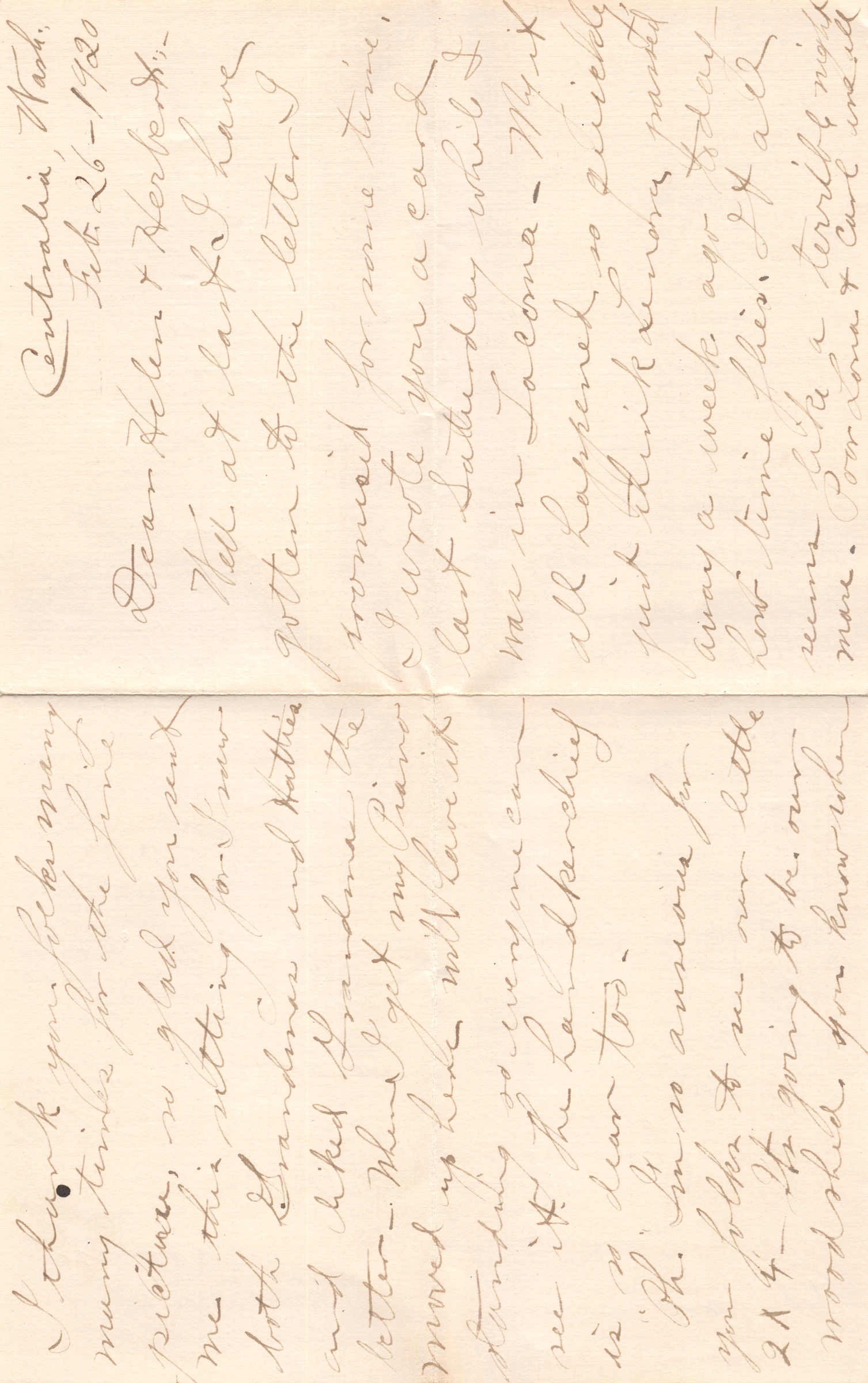
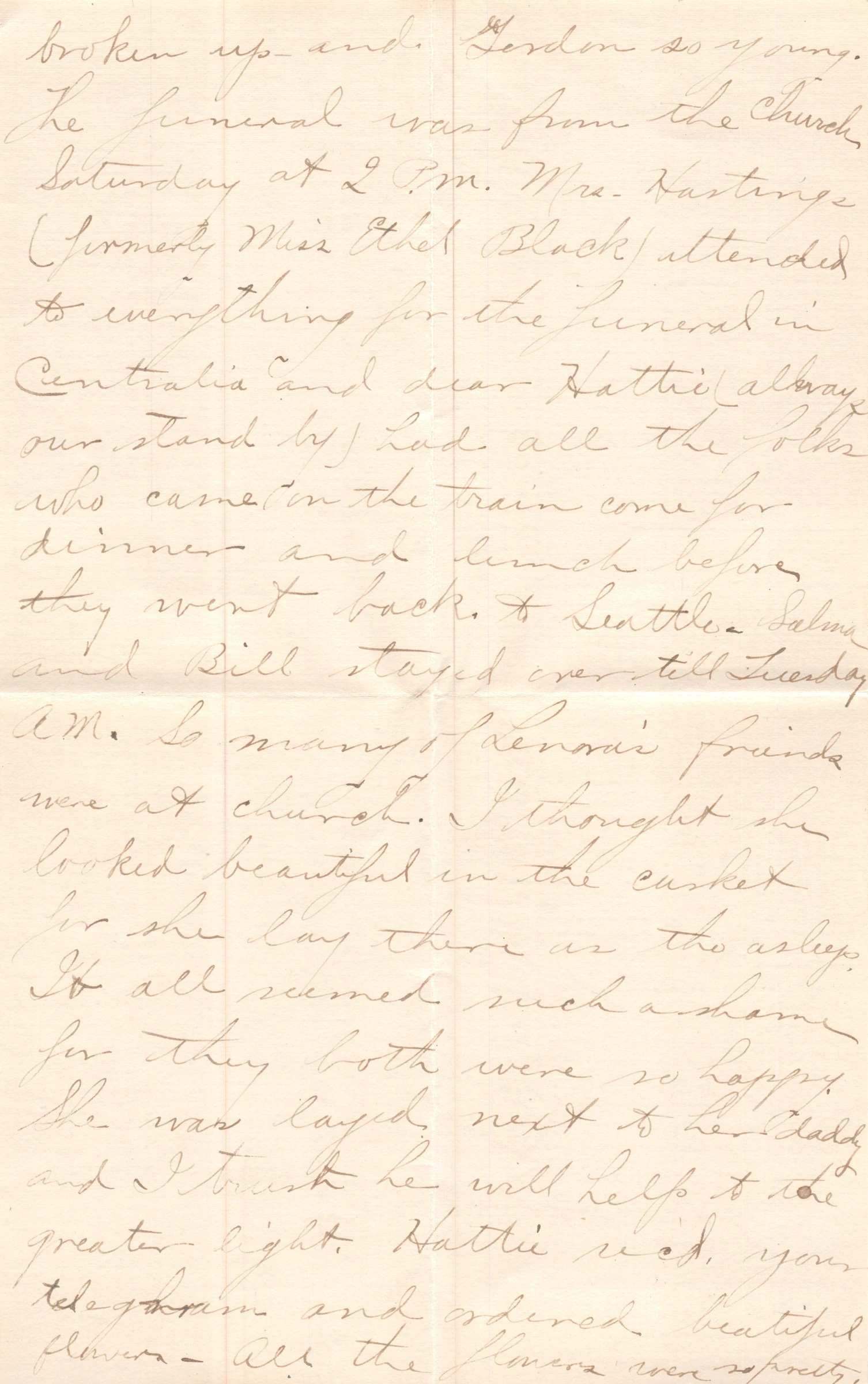
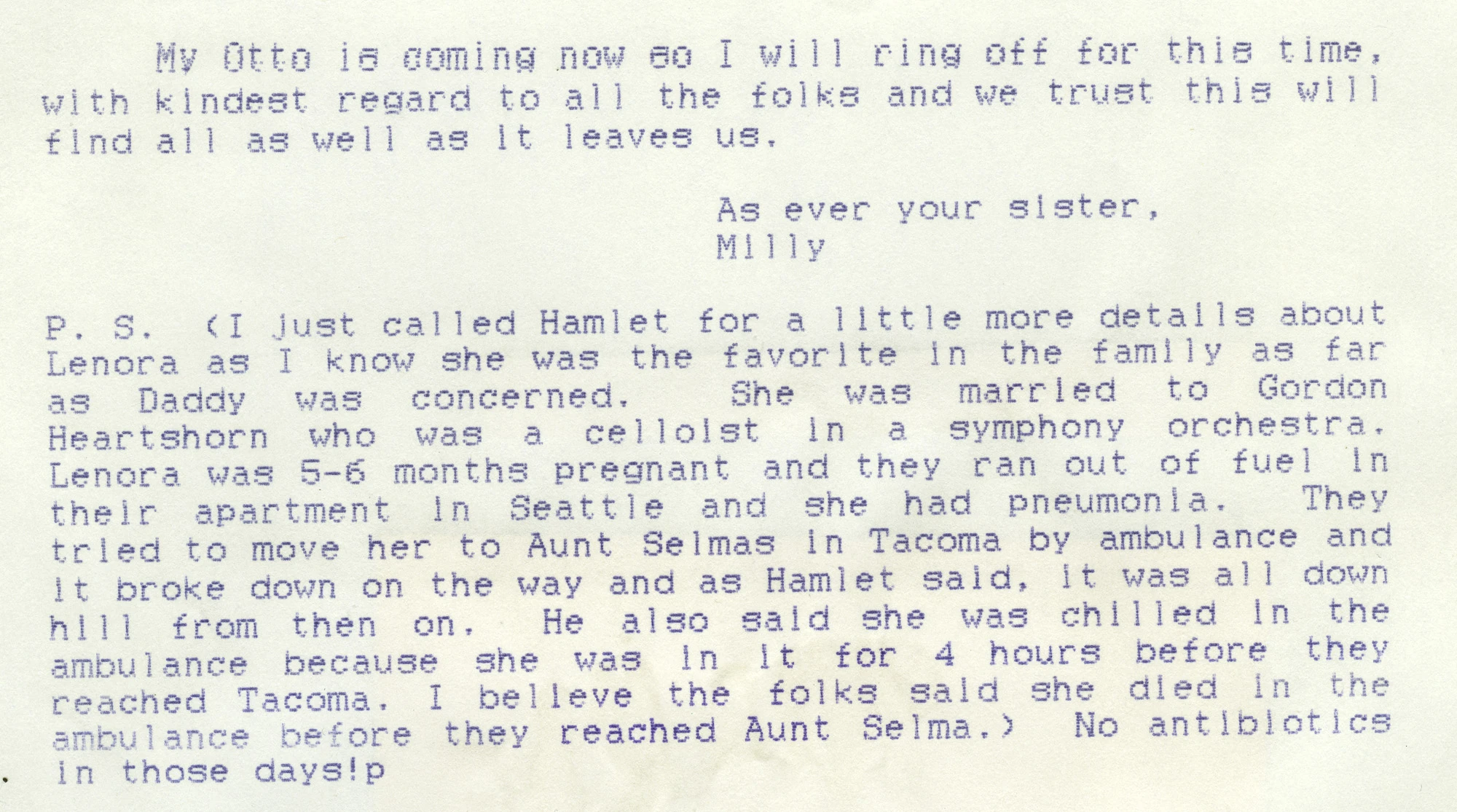
Writing on February 26, Milly told of the funeral the preceding Saturday afternoon in a Centralia church. Many of Leonora’s friends attended; Mrs. Hastings, formerly Ethel Black, helped with arrangements. Milly said Leonora was laid beside her father. Her wording places the funeral on February 21, although that date is not entered on the death certificate. The letter also describes influenza circulating among the family and whiskey obtained for Lenora during her illness. [9]
Leonora’s surviving records preserve far more than her early death. They show a young woman taking her musical studies seriously, performing with her sister and brother, working in music, enjoying walks and family visits, and beginning a married life. Her own letters, the concert notices and the many photographs allow that fuller life to remain part of the family’s story.